FIVE 17-YEAR-OLDS — ONE NIGHT THAT ENDED IN TRAGEDY
FIVE 17-YEAR-OLDS — ONE NIGHT THAT ENDED IN TRAGEDY
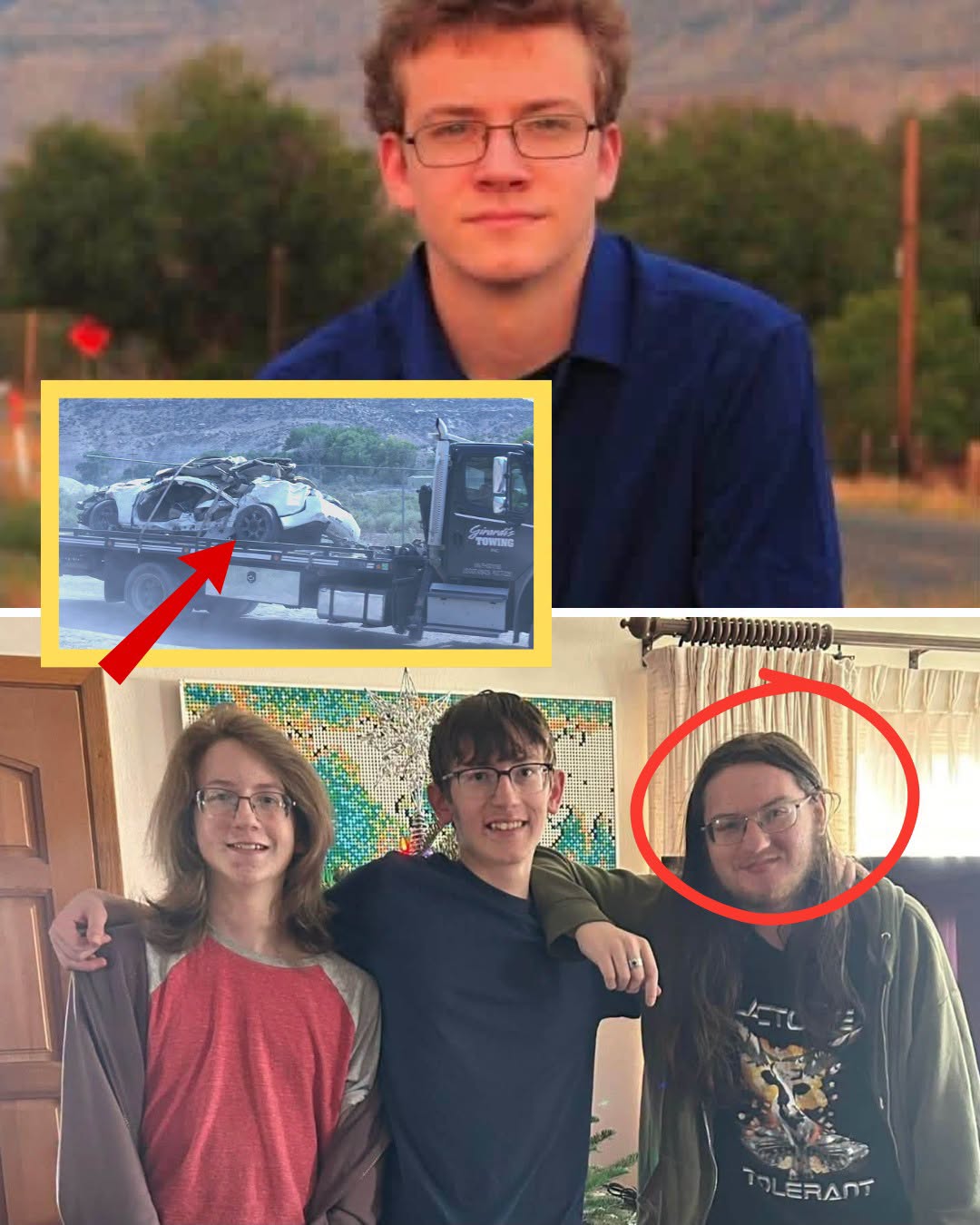
Five teenagers, all just 17 years old, were killed after the vehicle they were traveling in reportedly left the roadway and plunged down a steep hillside in Grand Junction, Colorado. The crash was not reported to police until the following morning, leaving investigators to reconstruct what happened during the hours of darkness.
FIVE YOUNG LIVES
They were all 17.
Ethan Miller, Jacob Harris, Noah Thompson, Liam Carter and Mason Reed were teenagers with years of life still ahead of them.
Then, late Saturday night, everything changed.
The vehicle carrying the five boys reportedly left the roadway and went down a steep hillside in Grand Junction.
What happened next would not become known until hours later.
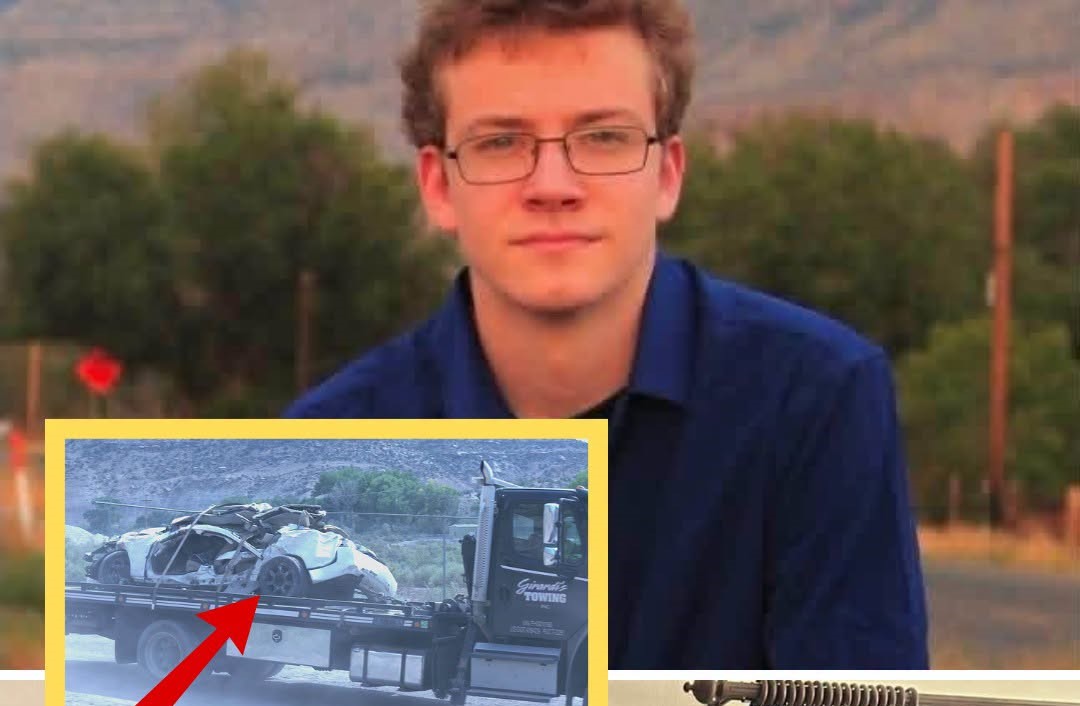 THE NIGHT NO ONE EXPECTED
According to the information available, the crash occurred late Saturday night.
The darkness surrounding the location meant the incident was not immediately discovered.
There was no immediate call to authorities.
No emergency response arrived at the scene during those first hours.
The families and community were left unaware of what had happened until the following morning.
A MORNING DISCOVERY
At approximately 7:45 a.m. Sunday, police were notified about the incident.
By then, several hours had passed since the vehicle had left the roadway.
When emergency personnel reached the scene, the full scale of the tragedy became apparent.
Five teenagers had lost their lives.
For the families waiting for news, the discovery marked the beginning of an unimaginable day.
INVESTIGATORS BEGIN RECONSTRUCTING THE CRASH
Authorities are now working to establish exactly how the vehicle left the roadway.
Investigators are examining the circumstances surrounding the crash, including the road conditions, vehicle movements and other available evidence.
Speed is reportedly being considered as one possible contributing factor, but that does not establish the cause of the crash.
A complete investigation will be needed before officials can determine what happened.
HOURS OF UNCERTAINTY
One of the most difficult aspects of the tragedy is the gap between the reported crash and the discovery.
The vehicle reportedly went off the roadway during the night, while police were not notified until the next morning.
That delay has naturally raised questions about what happened during those hours.
Investigators will need to determine when the crash occurred, whether anyone witnessed it and why it remained undiscovered until daylight.
A COMMUNITY LEFT SHAKEN
Grand Junction is now mourning five teenagers who were reportedly traveling together when the tragedy occurred.
For friends and classmates, the news is difficult to process.
Seventeen is an age associated with school, friendships, future plans and the anticipation of adulthood.
Instead, five families are now facing the loss of their children.
THE QUESTIONS INVESTIGATORS MUST ANSWER
The investigation will likely focus on several key questions:
Exactly when did the crash occur?
Why did the vehicle leave the roadway?
What were the road and weather conditions?
Did speed contribute to the crash?
Is there digital or other evidence that can establish the vehicle’s final movements?
Did anyone witness what happened?
The answers will come from evidence—not speculation.
AN ORDINARY NIGHT, AN IRREVERSIBLE LOSS
There may never be a way for the families to make sense of how an ordinary evening became the final night of five young lives.
But investigators now have the difficult responsibility of reconstructing those final hours.
For the community, the immediate priority is remembering the teenagers as more than the victims of a crash.
They were sons.
Friends.
Classmates.
 And young people whose futures were still unfolding.
Five 17-year-olds.
One night.
Five families facing an unimaginable loss.
The investigation continues as authorities work to understand what happened on that dark hillside in Grand Junction.
Independent commentary based on the information provided. Names, circumstances and potential contributing factors should be treated as unconfirmed unless verified through official authorities or reliable local reporting.