PRESTON DAVEY: THE WARNING SIGNS THAT CAME BEFORE HIS FINAL HOSPITAL ADMISSIO
PRESTON DAVEY: THE WARNING SIGNS THAT CAME BEFORE HIS FINAL HOSPITAL ADMISSIO
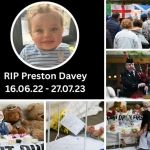
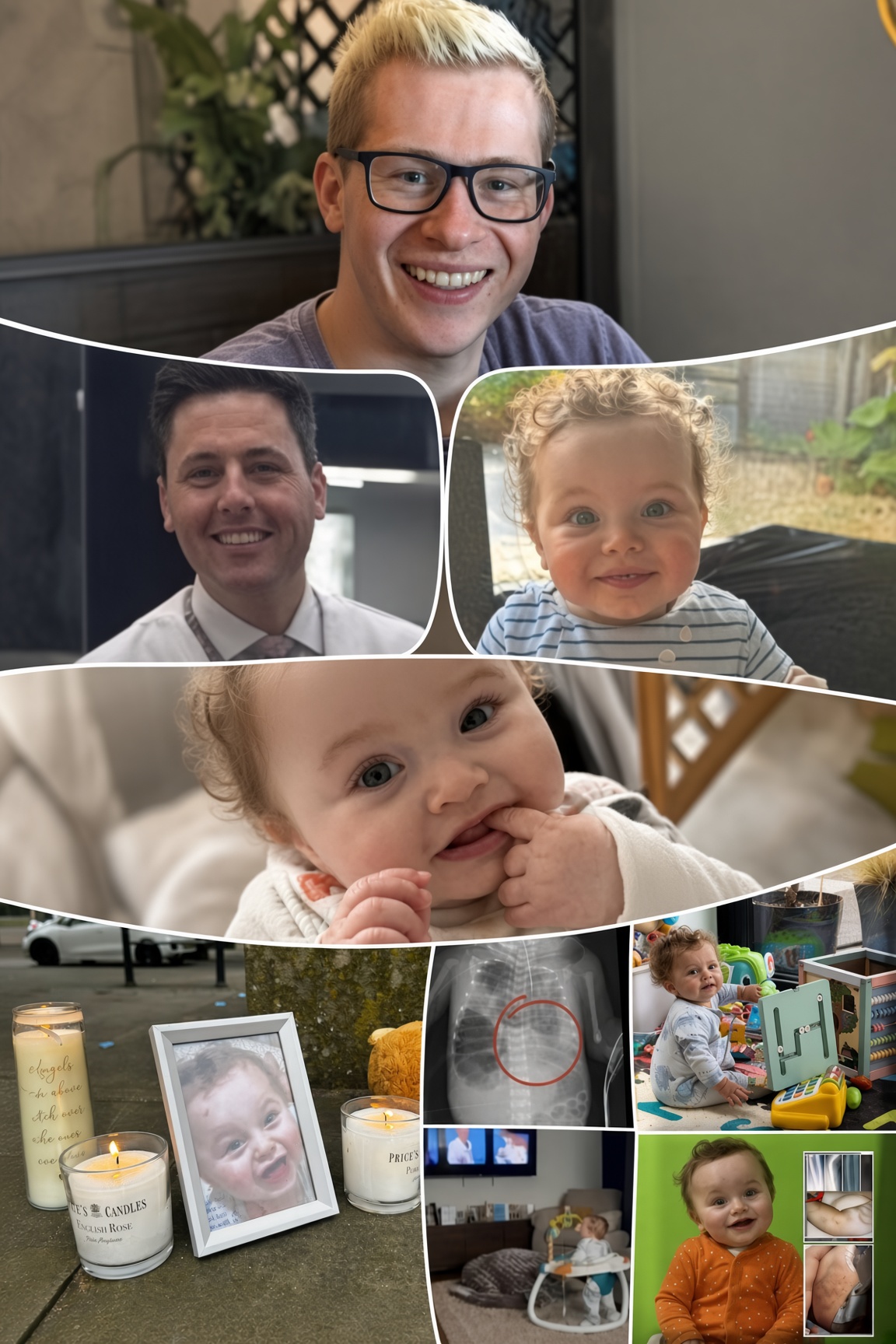
The final medical findings exposed the truth about what happened to 13-month-old Preston Davey. But the court evidence also revealed a troubling timeline of earlier hospital visits, injuries and safeguarding concerns that emerged weeks before his death.
THE FINAL EXPLANATION DIDN’T MATCH THE FORENSIC EVIDENCE
On July 27, 2023, Preston was rushed to Blackpool Victoria Hospital in critical condition.
He was reportedly found in the bath, and the explanation initially given was that he had drowned.
But the Home Office post-mortem later ruled out drowning.
Instead, the cause of death was determined to be acute upper airway obstruction.
The examination also identified around 40 external and internal injuries.
BUT PRESTON HAD ALREADY BEEN TO HOSPITAL
The final admission was not the first time medical professionals had seen Preston.
On May 25, he was taken to hospital floppy and unresponsive after Varley reported breathing difficulties and a seizure.
Staff noticed bruising to his head.
A medical report described the injuries as unexplained and inconsistent with the account given.
Hospital safeguarding was informed, and social services and police were contacted.
Yet the bruising was ultimately not considered suspicious at that stage.
 THEN ANOTHER HOSPITAL VISIT
On June 30, Preston was brought to A&E with a rash, diarrhoea, vomiting and a high temperature.
Again, medics noticed bruising to his head.
A video was shown as an explanation for how the injury had supposedly happened.
But investigators later established that the video had actually been recorded 12 days earlier.
That detail became part of the evidence examined at trial.
DAYS LATER, ANOTHER INJURY
On July 6, Preston was taken to hospital for a serious injury to his left arm.
An X-ray revealed a fractured elbow and his arm was placed in a cast.
The explanation given was that the injury happened while he was being put into his cot.
The later investigation treated the fracture as a non-accidental injury.
 THEN CAME THE FINAL DAYS
On July 23, photographs were taken showing Preston in an alarming position over the bars of his cot.
Four days later, Varley recorded a short video showing Preston in extreme respiratory distress.
Later that evening, Preston was taken to hospital.
Doctors and paramedics attempted to resuscitate him for around 50 minutes.
He was pronounced dead at 7:18 p.m.
THE FORENSIC FINDINGS CHANGED THE ENTIRE CASE
The post-mortem findings transformed the investigation.
What had initially been presented as an accidental drowning was contradicted by forensic evidence.
The examination identified extensive injuries involving multiple parts of Preston’s body, while the cause of death was established as acute upper airway obstruction.
Jamie Varley was subsequently convicted of murder and sentenced to a whole-life order.
NOW THE SAFEGUARDING QUESTIONS REMAIN
The criminal trial established Varley’s responsibility for Preston’s murder.
But another question remains separate from the criminal verdict:
Could the earlier warning signs have been recognised differently?
A baby had already been taken to hospital multiple times.
There had been unexplained bruising.
There had been a fractured arm.
Safeguarding professionals had been contacted.
And yet Preston remained in the same environment until his death.
An independent safeguarding review is now examining how agencies responded to the concerns surrounding Preston before his death.
THREE HOSPITAL VISITS.
MULTIPLE INJURIES.
EARLY SAFEGUARDING CONCERNS. A FINAL FORENSIC FINDING THAT CONTRADICTED THE ORIGINAL EXPLANATION.
The question is no longer simply what happened to Preston.
The court has answered that.
The difficult question now is:
How many warning signs were there — and could any of them have changed what happened next?
This post summarizes publicly reported court evidence and official findings. The safeguarding review is separate from the criminal proceedings and should not be interpreted as establishing wrongdoing by any individual agency or professional.