“WHAT THE HELL IS THIS?” — THE BRUISE THAT BECAME A KEY PIECE OF THE ISABELLE WELSH MURDER TRIAL
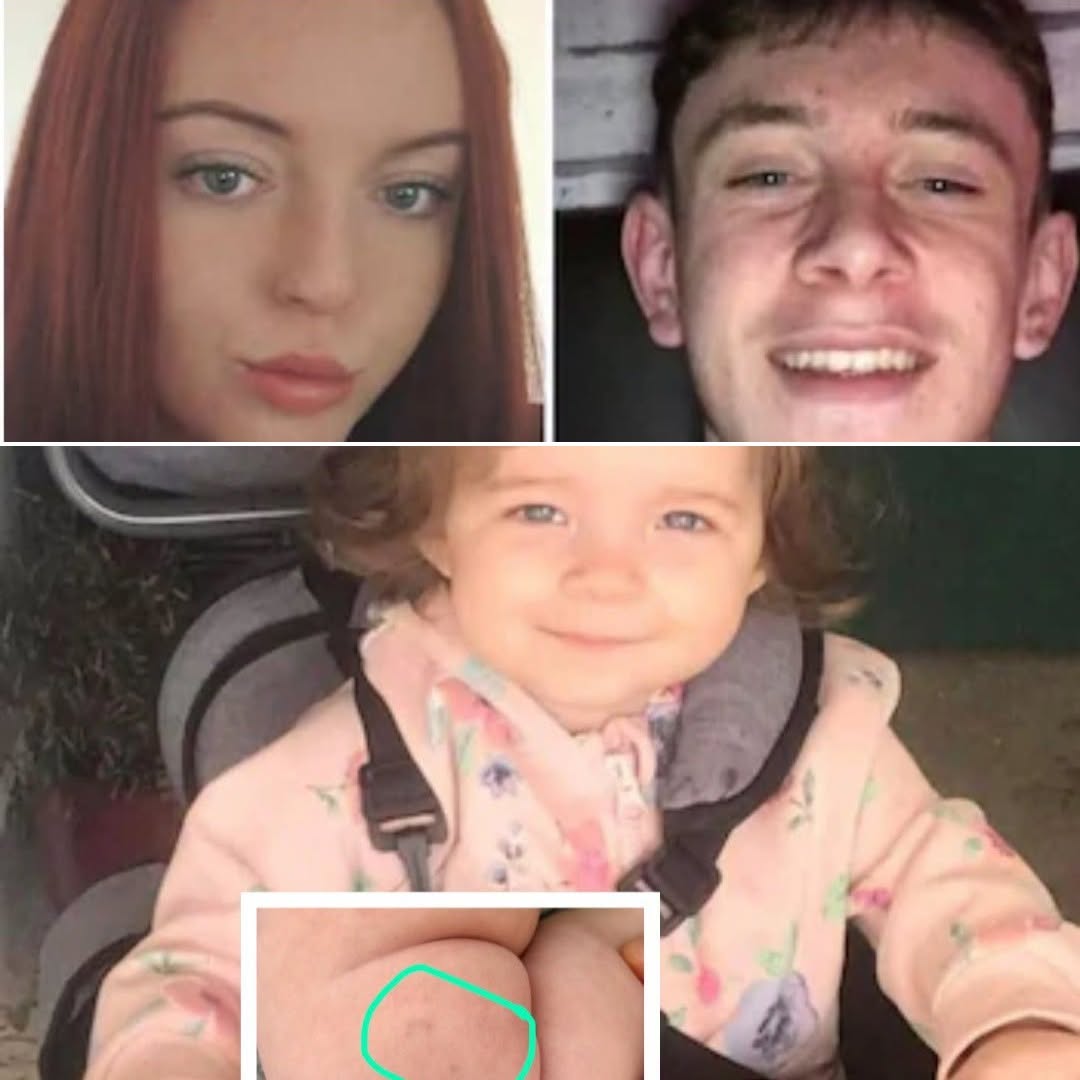
“WHAT THE HELL IS THIS?” — THE BRUISE THAT BECAME A KEY PIECE OF THE ISABELLE WELSH MURDER TRIAL
What initially appeared to be a minor injury became one of the details scrutinised during the murder trial following the death of two-year-old Isabelle Welsh. Prosecutors have presented evidence about the bruise, earlier concerns and the events leading up to Isabelle’s death — raising difficult questions about what happened behind closed doors.
THE QUESTION THAT STARTED IT ALL
According to evidence heard in court, Isabelle’s grandmother noticed a bruise on the young girl and reportedly reacted with shock:
“What the hell is this?”
At first, the injury was presented as something that could have resulted from an accident.
But prosecutors later argued that the circumstances surrounding the bruise deserved much closer examination.
For a family, what looked like an ordinary childhood injury would soon become part of a far more disturbing timeline.
LESS THAN TWO WEEKS LATER, ISABELLE WAS DEAD
Isabelle was only two years old when her life ended.
The prosecution case has examined the events surrounding her injuries and the circumstances leading to her death, asking the jury to consider whether the earlier bruise was an isolated accident — or an early indication that something more serious was happening.
That distinction is at the heart of the case.
 WHY THE BRUISE MATTERS
A bruise by itself does not prove abuse or murder.
Young children can suffer accidental injuries for countless reasons.
But prosecutors have argued that the injury must be considered alongside the broader sequence of events revealed during the trial.
That includes the explanations given for Isabelle’s injuries and the evidence surrounding her condition before her death.
THE COURTROOM IS NOW RECONSTRUCTING THE TIMELINE
Rather than looking at one moment in isolation, jurors have been asked to examine what happened before Isabelle became critically ill.
What caused the first injury?
Who was caring for her?
What explanation was given?
What did family members observe?
And did later evidence support or contradict those early explanations?
Those questions can become crucial when prosecutors are attempting to establish a pattern rather than a single incident.
 A CHILD WHO DEPENDED ON ADULTS FOR PROTECTION
At just two years old, Isabelle could not explain what had happened to her.
That makes the testimony of family members, medical professionals and investigators particularly important.
The prosecution’s case is ultimately asking the jury to decide whether the evidence demonstrates criminal responsibility beyond the required legal standard.
The defence, meanwhile, has the opportunity to challenge that interpretation.
THE QUESTION THAT STILL HANGS OVER THE TRIAL
The most haunting aspect of the case is how an injury that initially appeared relatively minor became part of a much larger investigation.
A two-year-old child.
A bruise that raised an immediate question.
A trial examining the explanations surrounding her injuries.
And a family left asking whether an earlier warning sign was missed.
The bruise alone cannot provide the answer.
But the evidence surrounding it may help the jury understand the sequence of events that ultimately led to Isabelle’s death.
WHAT DID THAT FIRST EXPLANATION REALLY MEAN?
That is one of the central questions now being examined in court.
And as prosecutors piece together the timeline, the jury must determine whether those early events were innocent accidents — or something far more serious.
This post summarizes reported trial evidence. Allegations remain allegations unless established by the court, and the defendant is entitled to the presumption of innocence unless and until convicted.