HAYDEN PANETTIERE’S ‘NIGHTMARE’ DECISION TO GIVE UP CUSTODY OF DAUGHTER KAYA
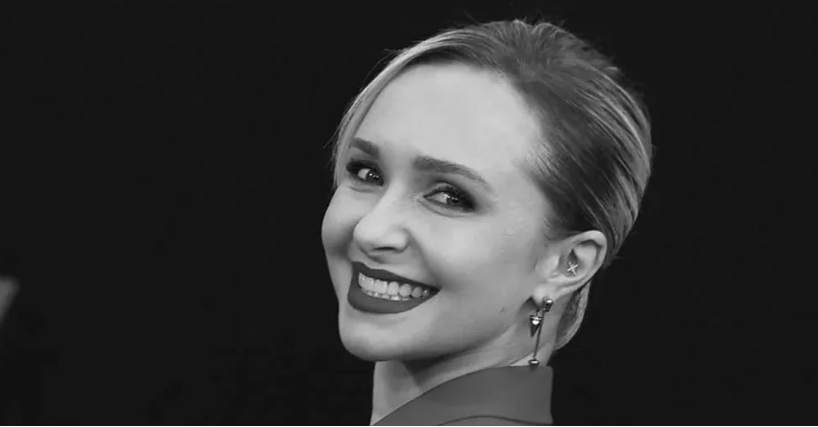
HAYDEN PANETTIERE’S ‘NIGHTMARE’ DECISION TO GIVE UP CUSTODY OF DAUGHTER KAYA
LOS ANGELES — Long before the heartbreaking news of Hayden Panettiere’s death at 36, the actress had spoken openly about one of the most painful chapters of her life: the decision to give her former fiancé, Ukrainian boxing champion Wladimir Klitschko, full custody of their daughter, Kaya.
For Panettiere, it was never a simple story about a mother walking away from her child.
It was a deeply emotional decision made during a period when she was struggling with postpartum depression, addiction and her own physical and emotional well-being.
And in the months before her death, Panettiere repeatedly pushed back against the public perception that she had simply “abandoned” her daughter.
KAYA’S BIRTH CHANGED EVERYTHING
Panettiere and Klitschko welcomed their only child, Kaya Evdokia Klitschko, on December 9, 2014.
The actress had previously spoken about suffering severe postpartum depression after giving birth. She eventually sought treatment, but her struggles continued for years.
In her memoir, This Is Me: A Reckoning, published in May 2026, Panettiere revisited the period surrounding her custody battle and described just how emotionally devastating the situation became.
At the time, Kaya was spending time between her parents as Panettiere continued working in the United States and Klitschko maintained a life in Europe.
But their relationship was deteriorating.
 THE CUSTODY BATTLE
According to Panettiere’s account in her memoir, she traveled to Kyiv in 2017 to reunite with Kaya and hoped to bring her daughter back to the United States during a break from filming.
Instead, she was confronted with a decision she never expected.
Klitschko told her he wanted full custody of their daughter and expressed concerns about Kaya’s safety while she was with Panettiere.
Panettiere later recalled being devastated by the confrontation.
She maintained that she had arranged childcare when she was working and said she had never been intoxicated while caring for Kaya. But Klitschko told her that information from people around Panettiere had caused him to worry about their daughter.
The custody dispute eventually resulted in Panettiere signing over full custody to Klitschko in 2018.
For the actress, the separation from her daughter became one of the defining emotional wounds of her life.
 “THE MOST HEARTBREAKING THING”
Panettiere later described relinquishing custody as one of the most painful experiences she had ever endured.
In a 2022 interview, she explained that she believed stepping back was ultimately the best decision for Kaya while she focused on recovering and becoming healthier.
She also pushed back against the idea that she had voluntarily abandoned her daughter.
Instead, Panettiere said she wanted Kaya to have stability while she worked to rebuild her own life.
That distinction became especially important as criticism followed her publicly.
THE PAIN NEVER REALLY DISAPPEARED
Although Kaya primarily lived with her father, Panettiere remained emotionally connected to her daughter.
The actress spoke proudly about Kaya’s intelligence, interests and development and maintained contact through visits and video calls.
In her final months, Panettiere continued talking about their relationship and emphasized that the bond between mother and daughter remained strong.
She wanted Kaya to know that she had never stopped loving her.
Her memoir offered an even more personal explanation.
Panettiere wrote that Kaya needed to feel safe and emotionally secure, and she believed giving her daughter stability was more important than holding onto custody while she was struggling herself.
A DECISION SHE CARRIED FOR YEARS
The custody decision remained a source of pain long after the legal arrangement was established.
Panettiere had the financial resources to fight for custody, but she later said she feared that doing so while trying to recover would have made an already difficult situation even worse.
Her decision has therefore remained complicated: painful for her personally, but one she continued to defend as an act of love for her daughter.
In May 2026, just months before her death, Panettiere again addressed the issue publicly on the On Purpose with Jay Shetty podcast.
She rejected the characterization that she had abandoned Kaya and explained that giving up custody was connected to her efforts to survive and recover.
KAYA WAS ALWAYS AT THE CENTER OF HER STORY
Panettiere’s relationship with Kaya became increasingly important as she looked back on her life.
Despite the years apart, she continued to speak about her daughter with obvious affection and pride.
People close to the actress have described Kaya as a central part of Panettiere’s life, even when the two could not live together.
Panettiere also hoped that as Kaya grew older, she would understand the circumstances surrounding her mother’s decisions.
That hope became especially poignant after Panettiere’s death.
A MOTHER’S DECISION, REEXAMINED
The story of Hayden Panettiere and her daughter cannot be reduced to the phrase “she gave up custody.”
Behind those words was a mother dealing with profound personal struggles while trying to determine what she believed would provide her child with the safest and most stable life.
Panettiere acknowledged the pain of losing day-to-day custody.
She acknowledged her mistakes.
But she consistently insisted that her love for Kaya never disappeared.
And in the end, that may be the most important part of the story she wanted her daughter—and the public—to understand.
She did not want Kaya to remember her as a mother who walked away.
She wanted her daughter to know that, during one of the darkest periods of her life, she believed stepping back was the way she could protect her child while trying to save herself.
Hayden Panettiere died on August 16, 2026, at age 36. Her family announced her death and requested privacy. Authorities have not publicly disclosed a final cause of death. Reporting on her custody decision is based on Panettiere’s own interviews and memoir, as well as reporting by major news organizations.