Family Details 6-Day Nightmare After Son with Down Syndrome Was Found Trapped in D.C. Metro Station
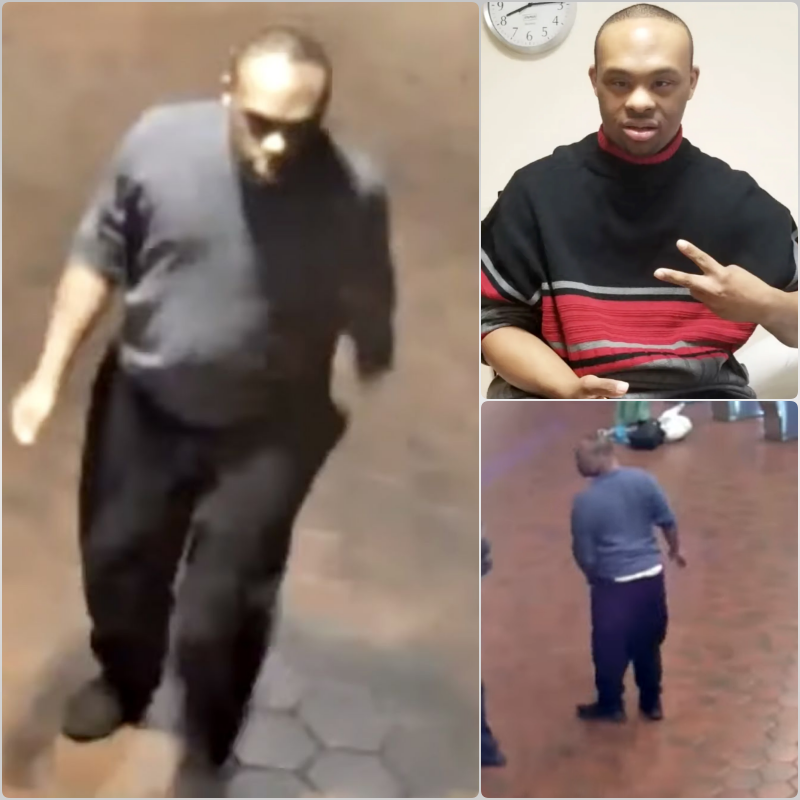
A lawsuit filed by the family of Rashawn Williams, an adult man with Down syndrome who was found in a Washington D.C. area metro station after he was trapped there for six days, is allowed to move forward in court, a federal judge has found.
Williams’ parents, Jimmy and Christina Hall, filed a civil complaint against the Washington Metropolitan Area Transit Authority (WMATA) back in January. WeAchieve, a nonprofit agency they claims was responsible for monitoring Williams, was also named as a defendant. The lawsuit stems from an incident that allegedly occurred on Oct. 20, 2023.
That evening, Williams, who requires 24-hour supervision, allegedly walked out of a Silver Spring, Md., hotel provided as a temporary residence by WeAchieve. From there, the lawsuit, obtained by PEOPLE, claims Williams made his way onto a bus and then into a WMATA station. He allegedly took a WMATA train until around 12:30 a.m. the next morning, where he disembarked in Glenmont.
The lawsuit claims Williams then approached a fare gate, where he stood waiting for assistance. However, a WMATA employee stationed at the kiosk allegedly ignored him while taking a personal call for more than 30 minutes.
By Oct. 25, Williams was still considered a missing person and Jimmy “began the pain process of expanding his search to include wooded areas and dumpsters, since so much time had passed and hope that Rashawn could still be alive was dwindling,” the lawsuit says.
On Oct. 26, a member of the Montgomery County Police Department conducting a search for Williams at the Glenmont Metro station entered a set of emergency exit doors that lock from the inside upon closing, per the complaint. Inside, the officer found Williams.
The lawsuit claims Williams was found in an area without access to food, water or sanitation for six days. When he was found, he was allegedly covered in urine and feces and was “severely dehydrated, physically depleted, and in poor conditions.”
“Trapped in complete darkness, Rashawn experienced the profound psychological toll of isolation, with no sense of time or connection to the outside world,” the lawsuit says. “Since the incident, complete darkness has become intolerable for Rashawn, as it triggers panic episodes during which he wakes up in distress, frantically running into rooms to find someone for reassurance.”
In February, the WMATA filed a motion to dismiss the lawsuit, arguing Williams was a “trespasser,” among other claims. However, U.S. District Judge Paula Xinis rejected the motion on Aug. 4, allowing the lawsuit to move forward.
“A modicum of basic communication with Williams to ensure he left the station safely—can hardly be considered ‘burdensome’ to WMATA,” Xinis wrote in a 10-page memorandum opinion obtained by PEOPLE.
PEOPLE has reached out to an attorney representing Jimmy and Christina Hall for comment. The family is demanding a trial by jury and is seeking an unspecified amount in damages to be determined in court.
A spokesperson for WMATA tells PEOPLE the organization does not comment on ongoing litigation. According to court records, reviewed by PEOPLE, WeAchieve has not filed a motion to dismiss the lawsuit. However, The Washington Post reports the organization generally denied allegations of negligence or intentional misconduct in an earlier filing. WeAchieve also blamed WMATA for any injuries allegedly sustained by Williams, per the outlet.