Deaf Toddler Undergoes First-of-Its-Kind Gene Therapy Treatment in the US to Gain Hearing
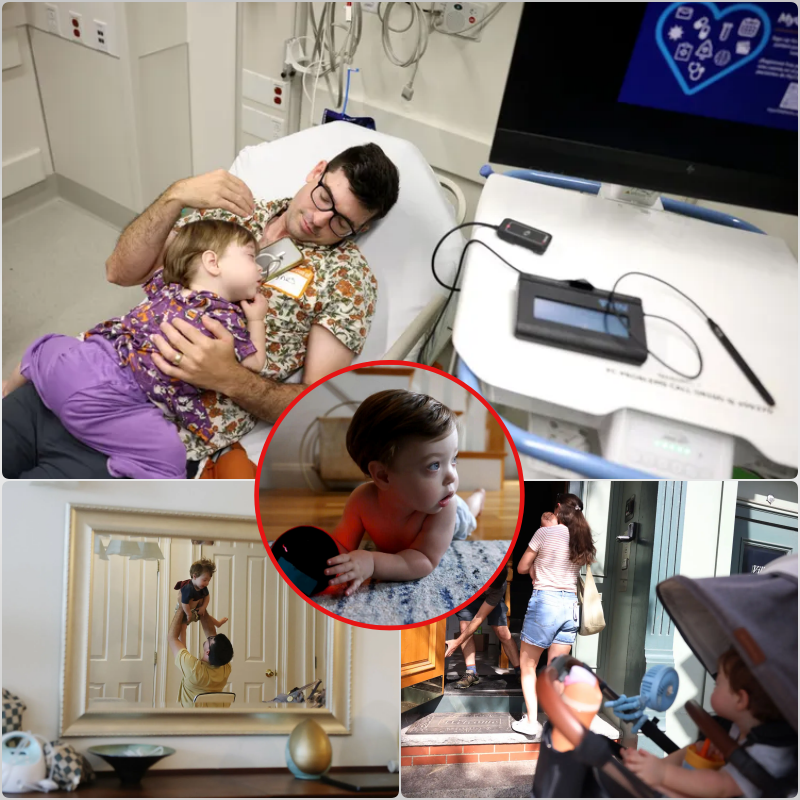
A deaf toddler underwent a first-of-its-kind gene therapy treatment in the United States.
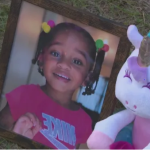
Leah Hamel and Andrew Tynes — from Birmingham, Ala. — welcomed their son Everett in 2025. Neither of them has a family history of hearing loss, so they were shocked when their son failed multiple newborn hearing tests.
“That’s when things started to settle in to be more permanent,” Hamel told The Boston Globe. “It was a really difficult first year of motherhood.”
After extensive testing and visits with specialists, Everett received hearing aids at 9 months. However, the devices didn’t work for his type of hearing loss.
Everett eventually underwent genetic testing around his first birthday to determine the cause of his deafness. Doctors discovered that he had auditory neuropathy spectrum disorder (ANSD), a condition where the cochlea does not connect to the brain stem properly due to a mutation in the OTOF gene.
Hamel learned of a gene therapy treatment called Otarmeni, which was approved by the U.S. Food and Drug Administration (FDA) in April. The treatment aims to restore genetic hearing loss by carrying a working copy of the OTOF gene to the inner ear cells and instructing them to make a missing protein needed to transmit sound signals.
Hamel found out that Regeneron, the maker of the treatment, is offering the treatment for free to U.S. patients. It can typically cost more than $1 million for a single dose.
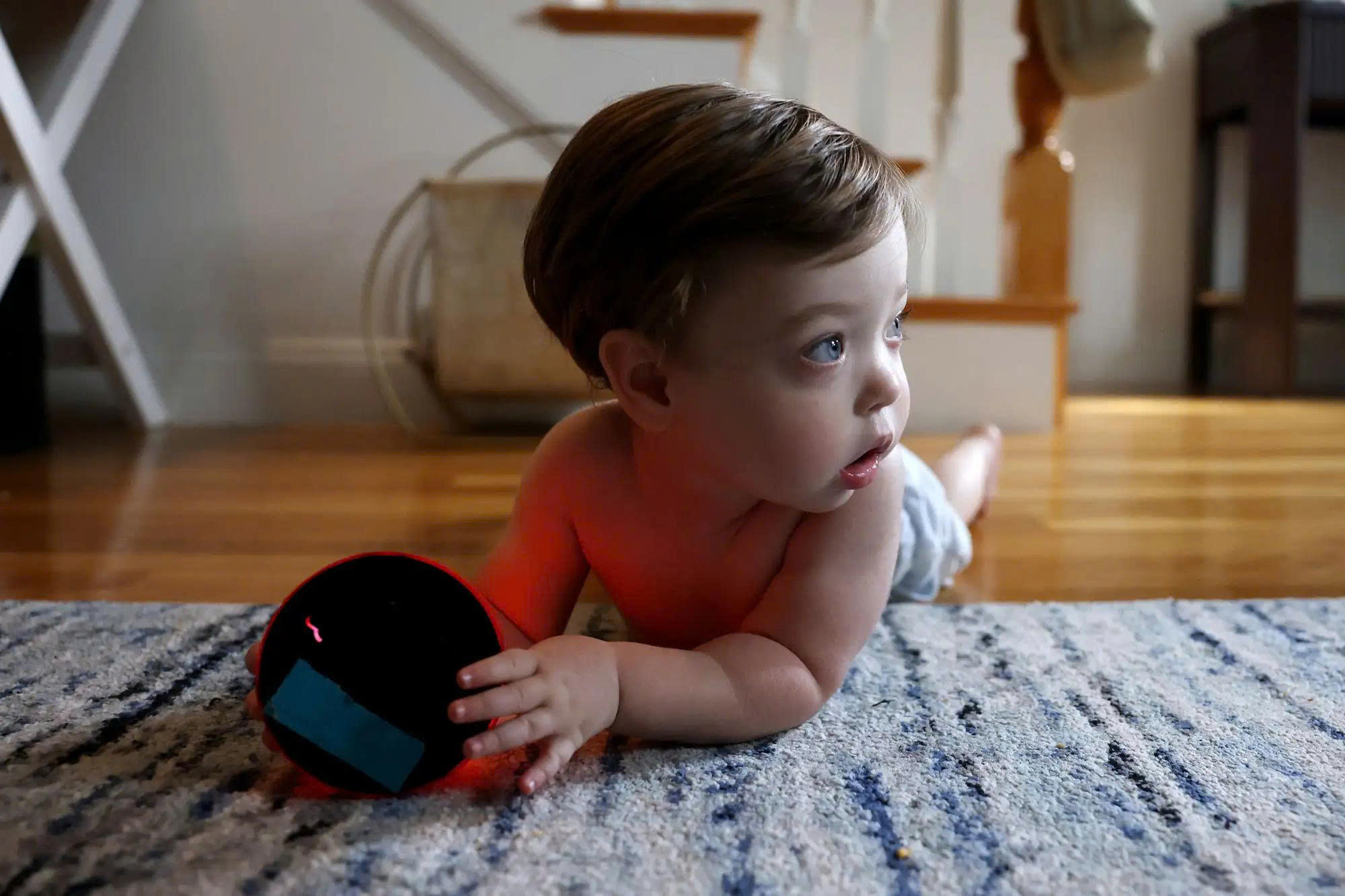
Despite being free of charge, the family still had the financial burden of traveling about 1,200 miles from home to Boston Children’s Hospital, which was the closest treatment center. They are expected to stay at least three weeks to track Everett’s recovery.
“We need to stretch the budget as you have to for your son’s hearing,” Tynes told the outlet. “If it potentially works, it was worth it.”
“A lot of it is about Everett’s experience with the world around him,” Hamel added. “I do think he’ll have access to more things if he has access to speech and hearing.”
In early August, Everett, 16 months, became the first patient at Boston Children’s to receive the gene therapy after its approval.
Dr. A. Eliot Shearer — a pediatric ear, nose, and throat surgeon at Boston Children’s — performed the surgery. It involved going through a small, membrane-covered opening inside the ear and infusing the treatment directly into the cochlea.
Shearer explained that the treatment restores a more natural kind of hearing, which wouldn’t be possible with devices like a cochlear implant.
“The inner ear has thousands of cells tuned to different frequencies that allow us to hear,” he said. “A cochlear implant only has about 20 different electrodes.”
Everett’s surgery was successful and he is recovering. Although it will take time to see if his full hearing is restored, Hamel said she and her husband have already seen improvements in their son and are feeling hopeful.
“He’s shown a lot more awareness of his surroundings,” she said. “We’re feeling really thankful this even exists.”
Boston Children’s was one of the treatment centers for the clinical trial that led to FDA approval. The trial involved 20 participants ages 10 months to 16 years who received single doses of the treatment. Shearer, who was an investigator for the trial, said that after around six months, 80% of participants experienced improvements in hearing. Additionally, 42% of participants achieved normal hearing within a year.
“The weeks and months after we do the gene therapy, it’s like the sound level is just being slowly turned on,” he told The Boston Globe. “When I see these kids now, and they’re hearing, and they’re not wearing cochlear implants, even that is just amazing.”
Shearer and other experts are now hoping that they’ll be able to treat many other patients moving forward.