LINDSEY CLANCY TRIAL TAKES EMOTIONAL TURN AS PSYCHOLOGIST TESTIFIES ABOUT PSYCHOSIS
- ThanhThuy
- August 19, 2026
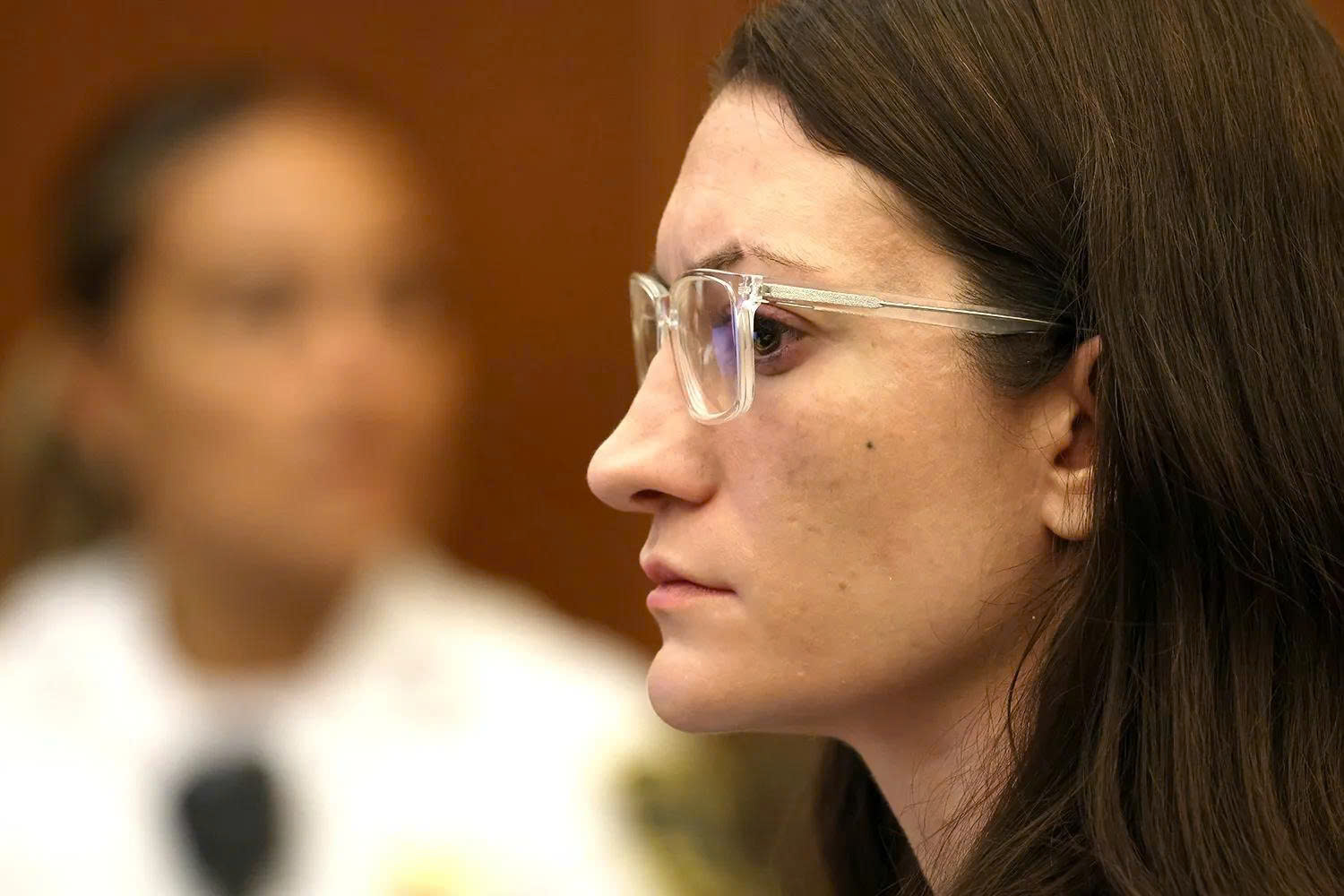
LINDSEY CLANCY TRIAL TAKES EMOTIONAL TURN AS PSYCHOLOGIST TESTIFIES ABOUT PSYCHOSIS
PLYMOUTH, MASSACHUSETTS — The Lindsey Clancy trial took an emotional and disturbing turn Wednesday as jurors heard testimony about the severe injuries Clancy suffered and the mental-health symptoms the defense says she experienced around the time her three children died.
The testimony highlighted two critical questions: what happened physically—and what was happening inside Clancy’s mind?
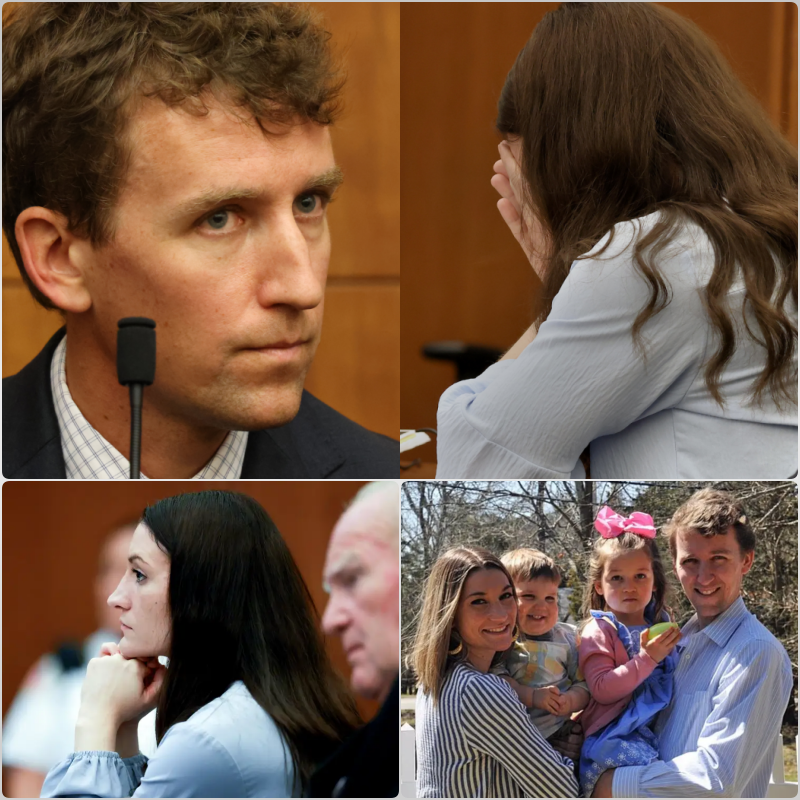 FORENSIC PATHOLOGIST DESCRIBES SEVERE INJURIES
Forensic pathologist Dr. Elizabeth Laposata testified about Clancy’s injuries after she went through a second-story window.
Laposata described serious damage to Clancy’s spine, spinal cord, ribs, neck and vocal cords, and said she believed Clancy went through the window head-first.
She also reviewed the autopsies of Clancy’s three children and testified about the injuries associated with their deaths.
The testimony became visibly emotional inside the courtroom, with Clancy crying as jurors heard the details.
DEFENSE SHIFTS FOCUS TO CLANCY’S MENTAL STATE
The defense then called psychologist Paul Zeizel, whose testimony centered on Clancy’s psychological condition.
Zeizel told jurors that Clancy had experienced serious symptoms and had repeatedly sought professional help.
He testified that she struggled with depression, dissociation and hallucinations, including the belief that other people could hear her thoughts.
 “A VOICE IN HER HEAD”
One of the most striking moments came when Zeizel described what Clancy allegedly told him.
According to his testimony, Clancy said that a voice in her head told her to kill her children and then herself.
Zeizel said he subsequently allowed her to call her husband from his phone, describing the decision as an act of “human compassion.”
He also explained that psychosis can fluctuate.
A person experiencing hallucinations may still be able to hold a normal conversation or perform everyday tasks, he told jurors.
Zeizel testified that Clancy experienced auditory hallucinations but not visual hallucinations.
A COURTROOM FILLED WITH EMOTION
The testimony was difficult for those in the courtroom.
Clancy reportedly cried while hearing testimony about both her injuries and the deaths of her children.
The defense is now placing significant emphasis on whether Clancy was experiencing psychosis at the time of the killings and how that condition may relate to the charges against her.
THE CENTRAL QUESTION
The defense is asking jurors to consider more than what happened.
It wants them to consider why it happened—and what Clancy’s mental state was when it did.
The prosecution’s evidence and the defense’s psychiatric testimony will ultimately have to be weighed together by the jury.
For now, the courtroom is hearing two sides of a devastating case:
the physical evidence of what happened to three children—and the psychological evidence about the woman accused of killing them.
The trial continues.
The statements about Clancy’s mental state are testimony from a defense witness and are not a judicial finding. Clancy remains entitled to the presumption of innocence unless and until proven guilty.