Left Cleft Lip in Newborns: Causes, Management, and Long-Term Recovery Outlook

Left Cleft Lip in Newborns: Causes, Management, and Long-Term Recovery Outlook
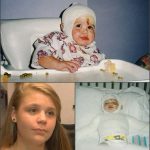
A left cleft lip is a common facial congenital condition characterized by a noticeable opening or separation on the left side of a newborn baby’s upper lip. This structural variation develops during the delicate early weeks of pregnancy—typically between the fourth and seventh weeks—when the facial tissues forming from either side of the head fail to fuse completely along the midline.
A left cleft lip can vary in severity, ranging from a small notch in the lip to a complete separation that extends upward into the nostril. It may present as an isolated condition, or it can occur alongside a cleft palate, where the roof of the mouth remains open as well. The exact causes are often multifactorial, involving a combination of subtle genetic factors and environmental influences during early prenatal development.
While seeing a cleft lip at birth can feel overwhelming for parents, modern medicine offers exceptional, routine, and highly effective treatment pathways. Immediate support typically focuses on specialized feeding techniques, as infants may need modified bottles or adaptive nipples to help them create adequate suction and swallow safely.
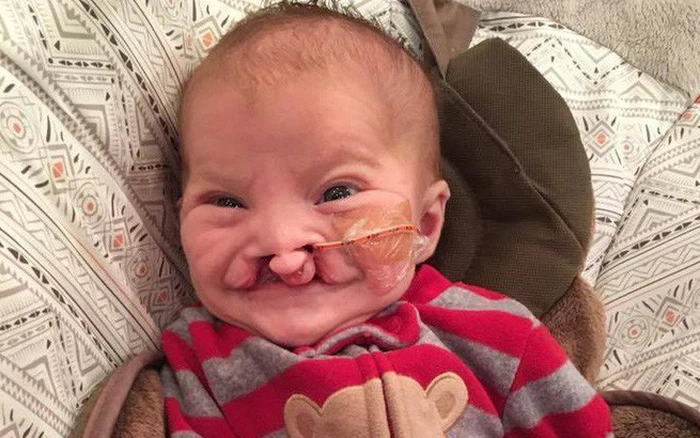
Surgical intervention—usually performed by a specialized pediatric plastic surgeon within the child’s first three to six months of life—successfully closes the lip, restores natural facial anatomy, and helps normal speech and muscle function develop. With timely surgical repair, coordinated multidisciplinary care, and proper nutritional support, children born with a left cleft lip lead healthy, active lives with minimal long-term functional impact.