LINDSAY CLANCY TRIAL TAKES EMOTIONAL TURN AS DEFENSE FOCUSES ON PSYCHOSIS
LINDSAY CLANCY TRIAL TAKES EMOTIONAL TURN AS DEFENSE FOCUSES ON PSYCHOSIS
PLYMOUTH, MASSACHUSETTS — The Lindsay Clancy trial took another emotional turn as jurors heard testimony addressing both the devastating injuries Clancy suffered and the psychiatric symptoms the defense says affected her in the period surrounding the deaths of her three children.
The testimony offered jurors two very different perspectives on the case: detailed forensic evidence concerning Clancy’s injuries and a defense argument centered on her mental state.
 FORENSIC PATHOLOGIST DESCRIBES SEVERE INJURIES
Forensic pathologist Dr. Elizabeth Laposata testified about Clancy’s condition after she went through a second-story window.
Laposata described serious injuries involving Clancy’s spine, spinal cord, ribs, neck and vocal cords. She told jurors she believed Clancy went through the window head-first.
The pathologist also reviewed the autopsies of Clancy’s three children and testified about injuries associated with their deaths.
Her testimony provided jurors with detailed medical evidence concerning what happened after Clancy went out the window and what investigators found during the children’s post-mortem examinations.
DEFENSE EXPERT DESCRIBES CLANCY’S MENTAL HEALTH
The defense then shifted its attention to Clancy’s psychiatric condition.
Psychologist Paul Zeizel testified that Clancy had experienced serious mental-health symptoms and had repeatedly sought professional assistance.
He described symptoms including depression, dissociation and hallucinations.
Zeizel testified that Clancy told him a voice in her head had instructed her to kill her children and then herself.
He also said he allowed Clancy to call her husband using his phone afterward, explaining that he did so out of “human compassion.”
 PSYCHOSIS CAN BE INTERMITTENT, EXPERT SAYS
Zeizel told jurors that psychosis does not necessarily mean a person will appear constantly disconnected from reality.
According to his testimony, hallucinations can come and go, meaning someone experiencing psychosis may still be capable of having a normal conversation or performing everyday activities.
He said Clancy experienced auditory hallucinations but not visual hallucinations.
That distinction has become important to the defense as it attempts to establish the severity of Clancy’s psychiatric symptoms.
COURTROOM BECOMES EMOTIONAL
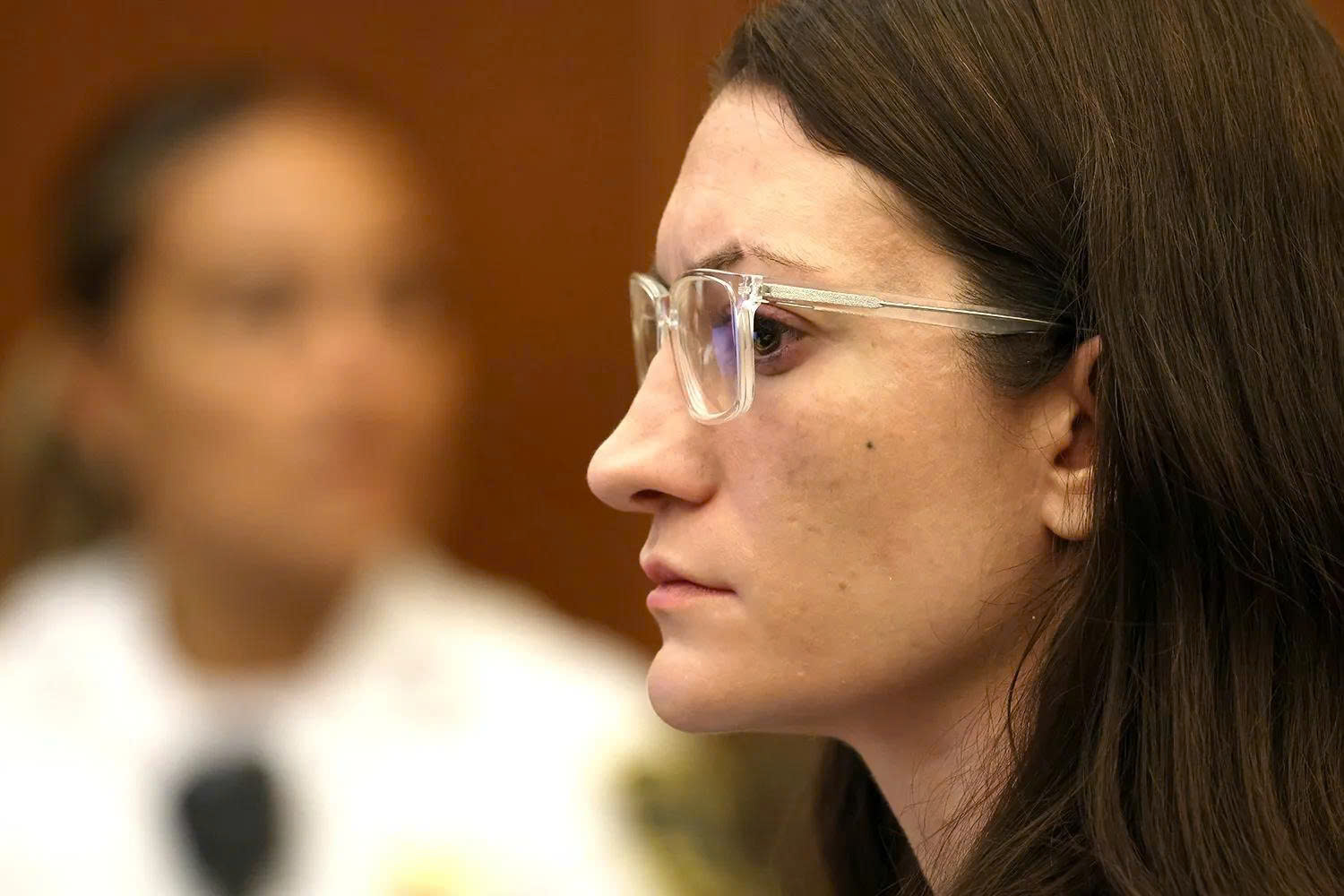
Clancy appeared to cry during portions of the testimony as jurors heard evidence concerning both her injuries and the deaths of her children.
The emotional testimony underscored the difficult questions at the center of the trial.
The prosecution has presented evidence concerning the deaths and the circumstances surrounding them, while the defense is increasingly focusing on Clancy’s psychological condition.
THE CENTRAL QUESTION FOR THE JURY
The defense’s strategy now places Clancy’s mental state at the center of the proceedings.
The issue is not simply whether she experienced depression, hallucinations or other psychiatric symptoms, but whether she was suffering from a condition that affected her ability to understand or control her actions at the time of the killings.
As testimony continues, jurors will have to weigh expert opinions alongside the physical and forensic evidence presented by both sides.
The trial is now entering a critical phase, with Clancy’s mental state becoming one of the most consequential issues the jury must consider.