Woman Reveals How She Avoided Paying $3,600 in Rent for Her N.Y.C. Apartment While on a Month-Long Vacation

Emma Oyomba was looking forward to spending a month away from New York City when one thought put a damper on her plans: She would still be paying $3,600 in rent for an apartment she wouldn’t be using.
Oyomba later shared her solution in a TikTok, explaining that she sublet her apartment for a month while she vacationed and worked remotely — a move she said ultimately allowed her trip to “pay for itself.”
“Rent is my biggest monthly expense,” Oyomba tells PEOPLE. Although she had never seriously considered subletting her home before, the thought of paying a full month’s rent while she was traveling made the option suddenly seem much more appealing.
“I think a lot of people, including myself, think it’s a lot of work to do,” she says. “And to be fair, it can be.”
Oyomba says she made sure her landlord was aware of her decision to sublet her apartment when she travels before moving forward with the arrangement.
Of course, there was still one major hurdle: Oyomba would be handing her home over to someone she didn’t know.
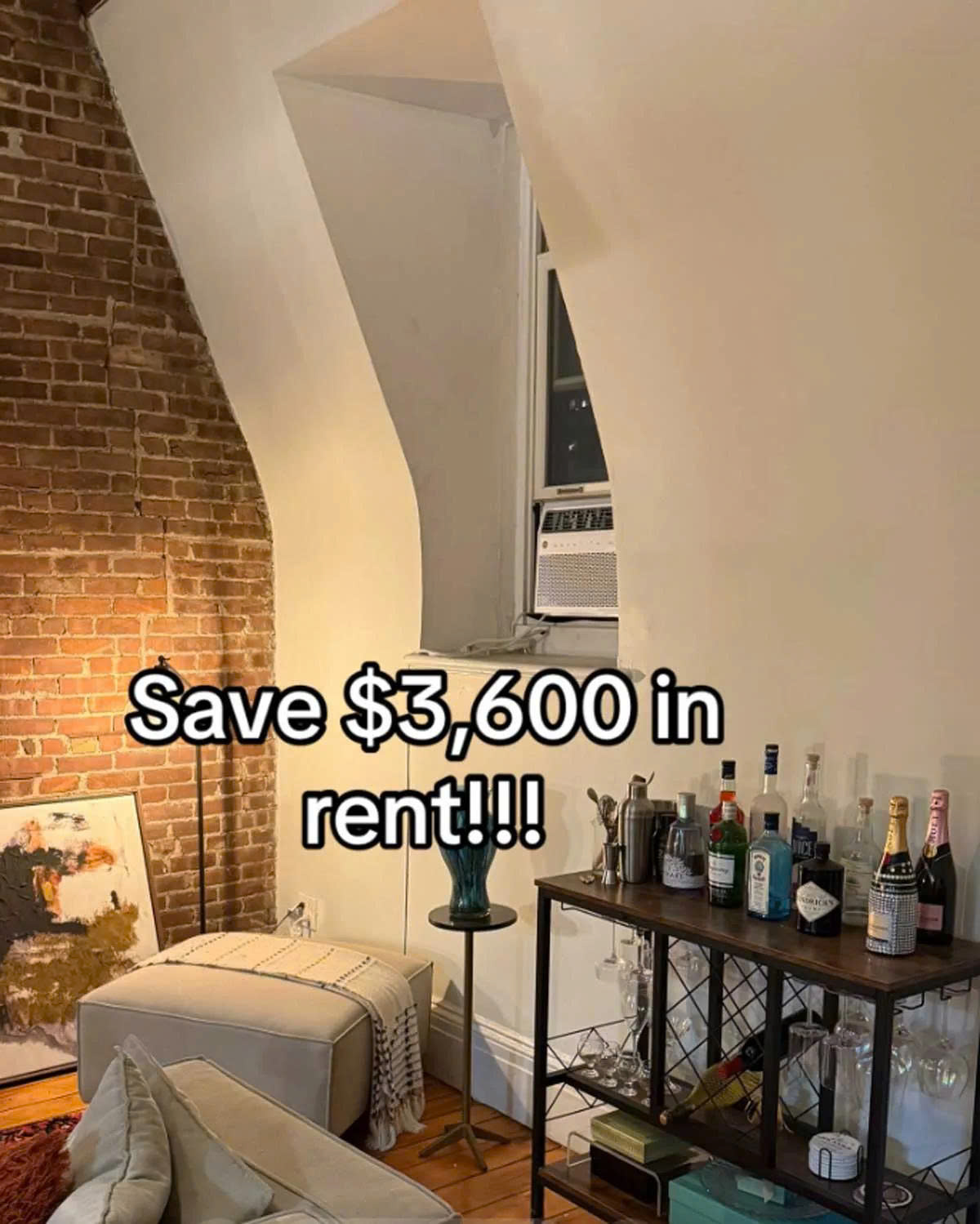
“Like most people, my biggest concern was subletting my space to a stranger,” she says. When choosing who would stay in her apartment, Oyomba paid attention to how responsive potential subletters were and looked for public social media profiles that could give her a better sense of who they were and what they did.
The platform she used also verified employment information and conducted credit checks, Oyomba says, while giving users the option to message and video chat. Beyond those checks, however, she says part of the decision came down to her own instincts.
“Overall, I considered all of those things plus who I vibed with the most,” she says. “Sometimes, it’s all about how a person makes you feel.”
Once she found someone she felt comfortable with, Oyomba turned her attention to getting her apartment ready. She approached the process by thinking about what she would want if she were staying in someone else’s home, clearing space for clothes in the bedroom and toiletries in the bathroom and washing the sheets, towels and blankets.
She also locked away personal belongings, valuables and anything containing sensitive information, and took photos of the apartment so she would have a record of how she left it. Before leaving, she hired a cleaner and wrote a welcome note with directions and other information her guest might need.
“None of the preparation really surprised me,” Oyomba says. “It felt no different than getting my place ready for family or friends to stay in, so I tried to approach it with that level of hospitality and consideration.”
Once her travel was booked and her subletter was in place, Oyomba did the math — and realized the $3,600 she would no longer be spending out of pocket on rent could cover her travel costs. “That was such a great feeling!” she says.
Oyomba says her flights and accommodations came to around $2,000. She was able to keep those expenses relatively low because she largely stayed with friends and family and shared accommodations with the people she was traveling with.
With those costs covered, she still had $1,600 left from the amount she would ordinarily have put toward rent. She moved $1,000 into her savings and earmarked the remaining $600 as “fun money.”
“So if I saw something I liked or wanted to splurge here or there, that money was allocated to that,” she says. “I was pretty happy that my trip paid for itself and that I was still able to save some money!”
Oyomba had already set aside money for the trip and says she wasn’t relying on finding a subletter in order to travel. Instead, the arrangement meant she didn’t have to carry the cost of an apartment sitting empty while she was away.
And despite her initial nerves about having a stranger in her home, Oyomba says the month went smoothly. Her apartment was left in the same condition she had left it, and she didn’t hear any complaints from her neighbors.
There were even a few perks she hadn’t considered beforehand. With someone living there, her mail was collected, her plants were watered and the water and air conditioning were being used regularly rather than the apartment sitting untouched for a month.
“That was a win I didn’t think of before I left!” she says.
Short-term leasing while on vacation can be difficult, as according to N.Y.C.’s 311 website, “Hosts – both owners and tenants – cannot rent out an entire apartment or home to visitors for fewer than 30 days, even if the host owns or lives in the building.” But in Oyomba’s case, she was able to rent it out for the minimum amount required given the length of her trip.
Never miss a story — sign up for PEOPLE’s free daily newsletter to stay up-to-date on the best of what PEOPLE has to offer, from celebrity news to compelling human interest stories.
The experience went well enough that Oyomba says she would “definitely” do it again if she were away for a month or more. For someone trying it for the first time, she recommends beginning the search for a subletter as soon as travel plans are confirmed, allowing plenty of time to consider potential candidates and, if possible, meeting them in person before making a decision.
Most importantly, however, Oyomba doesn’t see what she did as a way to make a quick profit. “I wouldn’t look at it as a get-rich-quick thing,” she says. “You’re already paying the rent.”
Instead, she sees subletting as a way to redirect an expense she would already have had while her home wasn’t being used.
“The opportunity is really to stop paying for an apartment you won’t be using for a short period,” she says, “and instead redirecting that money towards your trip or any other costs or savings goals you may have.”