REVEALED: 0.16% BAC UNDERMINES GRANDFATHER’S “THREE BEERS” ACCOUNT IN DEADLY BOAT CRASH
REVEALED: 0.16% BAC UNDERMINES GRANDFATHER’S “THREE BEERS” ACCOUNT IN DEADLY BOAT CRASH
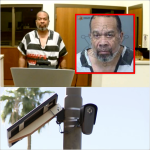
 Prosecutors say a blood-alcohol test showed the 64-year-old was at twice the legal limit when his boat crashed in New Jersey’s Barnegat Bay, killing his two grandchildren.
A month after a devastating family boating accident claimed the lives of two young children, prosecutors revealed a toxicology result that could become one of the most important pieces of evidence in the case.
Stephen Schneider, 64, had told investigators that he drank three beers over approximately two hours before taking his grandchildren aboard his 28-foot boat.
But prosecutors now say laboratory testing showed his blood-alcohol concentration was approximately 0.16% — twice New Jersey’s 0.08% legal limit.
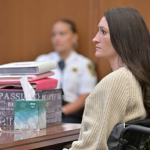
The revelation came during a court hearing Wednesday, August 19, as Schneider appeared before an Ocean County judge facing charges stemming from the July 19 crash.
THE NIGHT EVERYTHING WENT WRONG
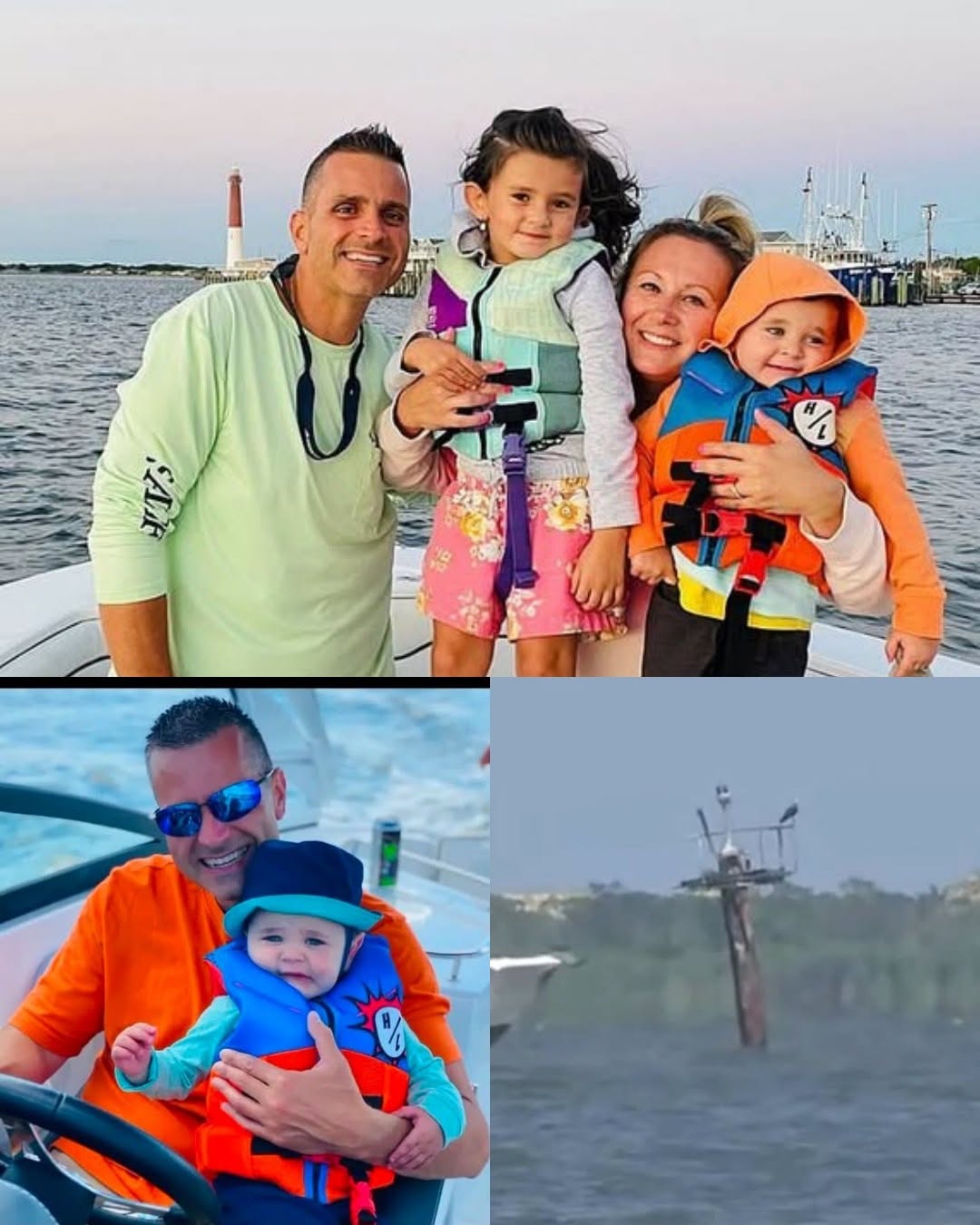
The tragedy unfolded in Barnegat Bay near Berkeley Township after the family had spent time together at MJ’s Restaurant in Bayville.
Schneider was operating his 28-foot Tidewater 280 when the vessel struck a wooden channel marker.
His grandchildren — 9-year-old Mya Golabek and 7-year-old Sigmund Paul Golabek — were thrown from the boat into the water.
Both children were wearing life jackets.
Despite rescue efforts and CPR, they were taken to a hospital and could not be saved.
What had begun as a family outing ended with two children gone.
 “THREE BEERS” — THEN THE LAB RESULTS
In the aftermath of the crash, Schneider reportedly told police that he had consumed three beers over two hours while dining with his wife, daughter, son-in-law and grandchildren.
That statement is now being examined against the laboratory evidence.
Prosecutor Kate Burke told the court that Schneider’s BAC was approximately 0.16%.
“The defendant consumed enough alcohol to reach a BAC of approximately 0.16 and then operated a vessel and the result was catastrophic,” prosecutors argued, according to reporting from the New York Post.
The prosecutor said the BAC demonstrated the level of impairment Schneider allegedly chose to operate the vessel with.
Two children died.
WHY THE BAC MATTERS
The toxicology result does not, by itself, establish exactly how many drinks Schneider consumed.
Alcohol absorption and elimination can vary considerably depending on factors such as body size, food consumption, timing and individual metabolism.
But prosecutors are clearly treating the 0.16% result as significant evidence of his level of intoxication at the time of the crash.
And because Schneider is accused of operating the boat while impaired, the result could become a central issue at trial.
The defense, meanwhile, has indicated that it intends to scrutinize the BAC evidence and potentially have its own expert evaluate the result.
ANOTHER QUESTION: WAS THE CHANNEL MARKER LIT?
Schneider’s attorney has also raised questions about the accident itself.
The defense wants to investigate whether the wooden channel marker the boat struck was properly illuminated that night.
That issue could become part of the defense’s effort to challenge the prosecution’s version of events.
For prosecutors, however, the alcohol evidence provides a different focus: whether Schneider’s decision to operate the vessel while allegedly impaired played a substantial role in the deadly collision.
THE CHILDREN WERE ONLY 7 AND 9
Mya and Sigmund were siblings.
They had reportedly been at the restaurant with their parents before traveling with their grandparents afterward.
The children were wearing life jackets when they were thrown into the water.
Their grandfather and grandmother attempted CPR after the crash, but the children ultimately died at the hospital.
The tragedy has therefore left two families grieving while the legal process moves forward.
SCHNEIDER HAS NOT BEEN CONVICTED
Schneider is facing two counts of reckless death by vessel, along with related charges.
He has not been convicted of those offenses.
At Wednesday’s hearing, Judge Wendel Daniels granted Schneider release while the case proceeds.
His next court appearance is scheduled for September 15.
The defense has also questioned the circumstances surrounding the BAC test and plans to investigate the evidence further.
THE BIGGER QUESTION
The toxicology finding now gives prosecutors a powerful piece of evidence to present alongside the circumstances of the crash.
But the courtroom battle will ultimately be about more than one number.
Investigators and attorneys will have to establish what Schneider drank, when he drank it, when the boat was operated, how impaired he was, and exactly what caused the vessel to collide with the channel marker.
The defense will have an opportunity to challenge the state’s toxicology evidence and the prosecution’s reconstruction of the crash.
For the families of Mya and Sigmund, however, none of those legal questions can change what happened that night.
Two children went out on a family boat trip.
They never came home.
And now, prosecutors say a 0.16% BAC could become one of the most consequential pieces of evidence in the case.
The next major chapter will unfold in court on September 15.