DID A WITNESS REVEAL MORE THROUGH EMOTION THAN WORDS?
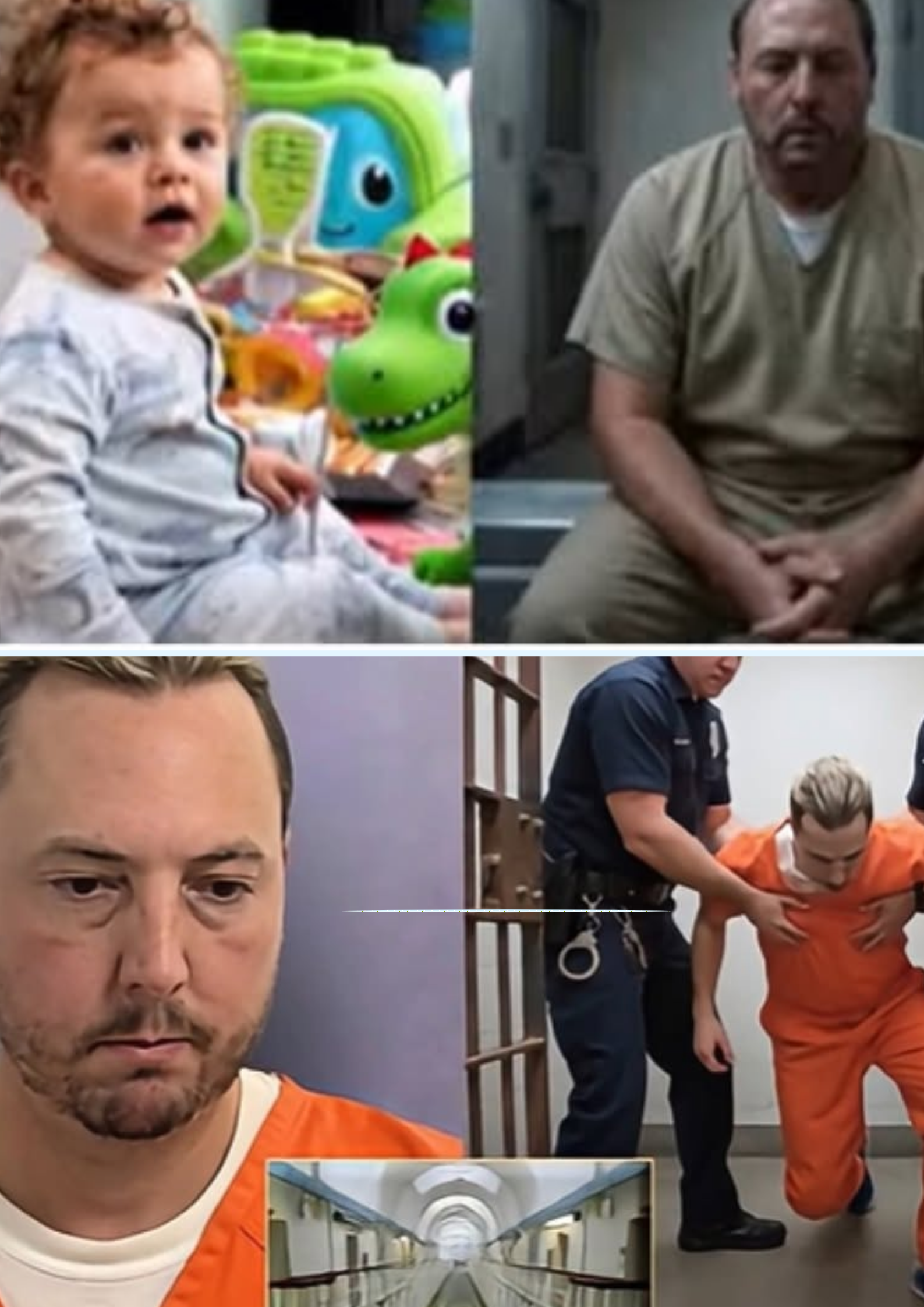
DID A WITNESS REVEAL MORE THROUGH EMOTION THAN WORDS?
A tense moment during a recent hearing has sparked fresh discussion after a witness appeared visibly frustrated while answering questions.
The testimony itself offered few clear answers.
But the witness’s demeanor and emotional reactions quickly became a major talking point among people following the case.
 WHAT DID THE REACTION MEAN?
At several points, the witness appeared frustrated as questioning continued.
For observers, those moments raised an obvious question:
Was the reaction simply the pressure of being questioned in court — or did it reveal something more?
That distinction matters.
A person’s facial expressions, tone or visible frustration cannot establish what actually happened, and investigators cannot treat emotion alone as proof of wrongdoing.
THE HEARING LEFT MORE QUESTIONS THAN ANSWERS
The witness’s reactions may have attracted attention, but the most important evidence remains the testimony, documents, forensic findings and other information that can be independently verified.
So far, there is no established evidence that the witness’s emotional response itself revealed a hidden confession or undisclosed fact.
Still, the moment has become one of the most discussed parts of the hearing.
 WHY PEOPLE ARE PAYING ATTENTION
In high-profile investigations, even a brief courtroom reaction can trigger intense speculation online.
A pause.
A frustrated expression.
A change in tone.
A moment when a witness appears uncomfortable.
But what looks significant to viewers watching a short clip may have an entirely different explanation in the full context of the hearing.
THE REAL STORY MAY STILL BE HIDDEN IN THE EVIDENCE.
The investigation is continuing, and additional testimony or evidence could provide a clearer picture of what happened.
For now, one thing remains certain:
A witness’s emotion may raise questions — but only verified evidence can answer them.