THE SEARCH FOR ANSWERS — HOW INVESTIGATORS LINKED EVENTS AROUND LUCY LETBY
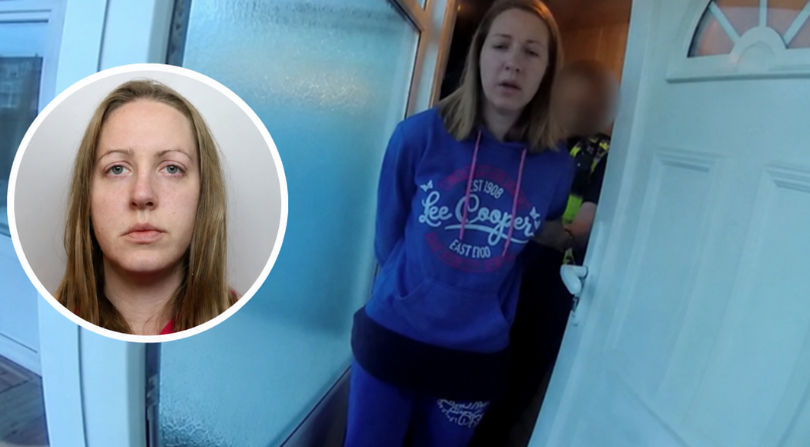
THE SEARCH FOR ANSWERS — HOW INVESTIGATORS LINKED EVENTS AROUND LUCY LETBY
When investigators began examining the unexpected collapses and deaths at the Countess of Chester Hospital, they did not look at each baby in isolation.
They reconstructed a detailed timeline, comparing medical records, staffing information and the circumstances surrounding each incident to determine whether apparently separate events could be connected.
But how did investigators decide which incidents belonged to the same pattern?
 THE TIMELINE CAME FIRST
Investigators examined when each baby became seriously unwell, where the baby was being treated and which members of staff were working at the time.
Staffing and shift records were particularly important because they allowed investigators to compare the timing of each incident with the people present on the neonatal unit.
According to the prosecution case, Lucy Letby was present during each of the incidents involving the babies for which she was ultimately convicted.
But presence alone was not presented as the entire case.
MEDICAL CIRCUMSTANCES WERE COMPARED
Doctors and other experts reviewed the babies’ medical histories and the circumstances surrounding their sudden deteriorations.
The prosecution argued that some collapses could not be adequately explained by the babies’ existing medical conditions and alleged that several had been deliberately harmed.
Evidence concerning suspected air embolism and insulin poisoning became particularly important to the prosecution’s case.
Those medical conclusions have subsequently faced significant scrutiny, with other experts arguing that some of the events could have alternative medical explanations.
 INVESTIGATORS BUILT A LARGER PICTURE
The investigation involved comparing multiple categories of information:
- Dates and times of each collapse
- Locations within the neonatal unit
- Staff members present
- Medical histories and symptoms
- Blood-test and laboratory evidence
- Events immediately before and after each deterioration
By placing these details side by side, investigators attempted to identify connections between incidents that initially appeared unrelated.
WHY WAS LETBY’S PRESENCE IMPORTANT?
The prosecution argued that the repeated overlap between Letby’s shifts and serious incidents was significant.
The defense, however, challenged the interpretation of that overlap, arguing that being present when something happened does not prove that a person caused it.
That distinction became particularly important because the case involved extremely premature and medically vulnerable babies.
THE EVIDENCE REMAINS CONTROVERSIAL
Letby was convicted in 2023 of murdering seven babies and attempting to murder six others.
Her convictions remain legally valid.
However, her case continues to receive scrutiny, including examination of the medical evidence and investigative methods used to connect the incidents.
Her legal team has also pursued further challenges to the convictions, while the Criminal Cases Review Commission has been reviewing an application submitted on her behalf.
SO HOW WERE THE INCIDENTS CONNECTED?
Investigators essentially created a case-wide chronology.
They compared who was present, when each deterioration occurred, what the medical circumstances were and what happened immediately before and afterward.
Prosecutors then argued that the combined evidence revealed a recurring pattern rather than a series of unrelated medical emergencies.
THE QUESTION THAT STILL DRIVES THE DEBATE
Did the overlapping timelines, staffing records and medical evidence reveal a deliberate pattern of harm?
Or could the same events be interpreted differently when the medical uncertainty and alternative explanations are considered?
The convictions remain in place, but the evidence used to connect the individual incidents continues to be examined and debated. 🔎⚖️