THE MARKER WASN’T LIT: A TECHNICAL DETAIL COULD BECOME CRUCIAL IN THE STEPHEN SCHNEIDER CASE
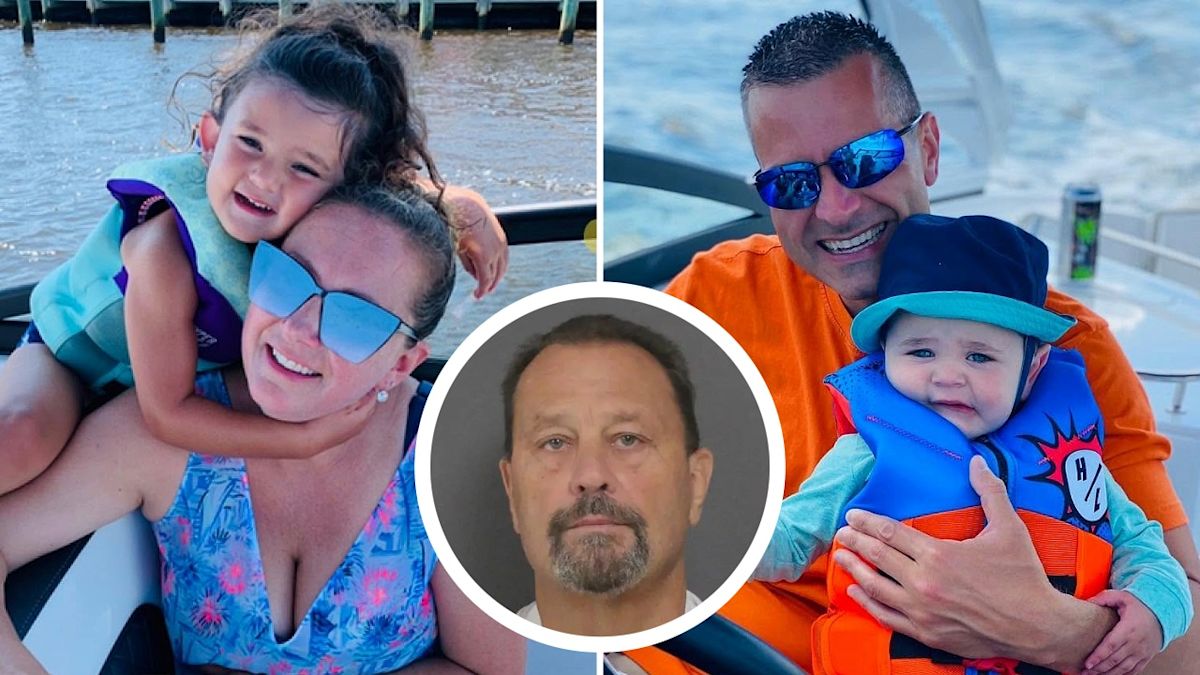
THE MARKER WASN’T LIT: A TECHNICAL DETAIL COULD BECOME CRUCIAL IN THE STEPHEN SCHNEIDER CASE
A technical question about a channel marker is emerging as a potentially important issue in the criminal case against Stephen Schneider, the grandfather charged following the fatal Barnegat Bay boating crash that claimed the lives of 9-year-old Mya and 7-year-old Sigmund “Siggy” Golabek.
The collision happened on the night of July 19, when Schneider was operating a roughly 30-foot boat in Barnegat Bay.
Both children were thrown into the water after the vessel struck a channel marker.
 WAS THE MARKER PROPERLY VISIBLE?
One of the issues being raised by the defense is whether the channel marker was properly illuminated and visible in the darkness.
That could become significant if evidence shows that the marker’s lighting was not functioning as expected or that visibility conditions made it difficult for an operator to identify the obstruction.
However, an important distinction remains:
A question about the marker’s visibility does not by itself establish that Schneider was not responsible for the collision.
The court will ultimately have to consider the technical evidence alongside the other circumstances surrounding the crash.
 THE 0.16 BAC READING
Prosecutors are also pointing to Schneider’s reported blood-alcohol concentration of 0.16, more than twice New Jersey’s legal limit for operating a motor vehicle.
Authorities have alleged that alcohol impairment played a significant role in the crash.
Schneider reportedly told investigators that he had consumed three beers before operating the boat, creating a stark contrast between his account and the subsequent toxicology result.
That evidence is expected to be a major part of the prosecution’s case.
TWO VERY DIFFERENT QUESTIONS
The case therefore involves two separate issues that should not be confused.
First: Was Schneider impaired while operating the boat?
Second: Could the channel marker have been difficult to see because of its lighting or other nighttime conditions?
The defense can challenge the circumstances of the collision without necessarily disputing every piece of evidence presented by prosecutors.
TWO CHILDREN NEVER MADE IT HOME
Mya and Sigmund were pulled from Barnegat Bay after the collision and later pronounced deceased.
Their deaths transformed what might otherwise have been a boating investigation into a criminal case involving serious charges against their grandfather.
Their parents have also publicly asked the court to allow Schneider to remain out of custody while the case proceeds — a deeply complicated decision in a case involving the loss of their own children.
THE NEXT BATTLE MAY BE OVER VISIBILITY
If investigators, marine experts or technical records establish that the marker was inadequately illuminated, the defense could argue that visibility played a role in the collision.
But if the prosecution can demonstrate that the marker was sufficiently visible and that Schneider’s alleged impairment contributed to the crash, the lighting argument may carry far less weight.
ONE MARKER. ONE DARK NIGHT. TWO CHILDREN LOST.
The question now is not simply what did the boat hit?
It is whether the evidence can establish why the collision happened — and what role, if any, alcohol and the visibility of the channel marker played in the tragedy.
The technical evidence could become one of the most closely examined parts of Stephen Schneider’s defense as the case moves forward.