Her Family Thought the 84-Year-Old Had Already Been Evacuated. Three Days Later, They Returned to the Ruins
When a powerful earthquake struck eastern Indonesia on Aug. 15, Paulina Pobi’s family believed the 84-year-old woman had already been taken somewhere safe.
That assumption made sense in the confusion that followed the magnitude 7.7 quake.
Homes had collapsed. Residents were fleeing damaged areas. Rescue efforts were unfolding across affected communities, and families were trying to account for relatives amid widespread destruction.
Pobi, who was paralyzed and unable to move on her own, was thought to have been evacuated to a shelter by someone else.
But she had not been rescued.
For three days, she remained trapped beneath the wreckage of her own home.
Unable to escape and reportedly unable to call loudly enough for help, she waited beneath the debris without food or water while her family believed she was somewhere else.
Then, on Aug. 18, relatives returned to the ruined house.
What they discovered stunned them.
Pobi was still there.
And she was alive.
Everyone Thought Someone Else Had Taken Her to Safety
The most extraordinary part of Pobi’s survival is not simply that she endured several days beneath a collapsed building.
It is how she was left there in the first place.
The earthquake caused widespread chaos across the region, damaging homes and forcing residents from affected communities.
In situations like that, family members can become separated quickly.
People may assume relatives left with neighbors, emergency workers or other members of the community.
That appears to be what happened with Pobi.
Her family believed she had already been evacuated.
Because she was paralyzed, they knew she could not simply walk out on her own. The assumption was that someone else had gotten to her and moved her to safety amid the emergency.
But no one had.
Pobi remained inside the collapsed structure.
The misunderstanding meant that, while rescue operations continued elsewhere, the elderly woman was enduring an increasingly dangerous ordeal just beneath the ruins of the place she had called home.:max_bytes(150000):strip_icc():focal(749x0:751x2):format(webp)/indonesia-earthquake-082026-1c7ad0027186483c9eafc1c4e1076288.jpg)
Her Condition Made Escape Almost Impossible
For an able-bodied survivor, being trapped beneath earthquake debris is already terrifying.
For Pobi, the situation was even more dangerous.
She was reportedly paralyzed and unable to move herself out of the wreckage.
She also could not effectively call for help.
That meant two of the most basic ways a trapped person might attract rescuers — moving toward an opening or shouting repeatedly — were largely unavailable to her.
She could only wait.
Hours became days.
There was no food.
There was no water.
And because her family believed she had already been evacuated, no one initially understood that she was still beneath the collapsed house.
The longer she remained there, the more dangerous the situation became.
Older adults are especially vulnerable to dehydration and physical stress, and three days without adequate water can become life-threatening under any circumstances.
Pobi was also trapped after a major natural disaster, surrounded by damaged materials and with no certainty that anyone knew where she was.
The Family Returned on Aug. 18
Three days after the earthquake, Pobi’s relatives went back to the damaged home.
Exactly what prompted them to return has not been described in every report in the same level of detail, but by then it had become clear that Pobi was not safely accounted for elsewhere.
The family began searching the ruins.
There, beneath the debris, they found her.
Alive.
Local official Rudolfus Riba described the survival as remarkable and said Pobi was weak after the ordeal but had apparently avoided serious physical injuries.
After days without food or water, simply finding her conscious was extraordinary.
The discovery instantly changed the story from one of presumed evacuation to an unexpected rescue.
For three days, the family had believed the vulnerable woman had already been saved.
Instead, her rescue had not even begun.:max_bytes(150000):strip_icc():focal(749x0:751x2):format(webp)/indonesia-earthquake-082026-2-6a3d307b708d442eb25a91f179634f8c.jpg)
A Powerful Earthquake Had Left Communities in Chaos
The Aug. 15 earthquake struck the Flores region of eastern Indonesia with a reported magnitude of 7.7.
Indonesia sits along the Pacific “Ring of Fire,” one of the most seismically active areas in the world, and earthquakes are a recurring danger across the country.
But familiarity with earthquakes does not make major events less destructive.
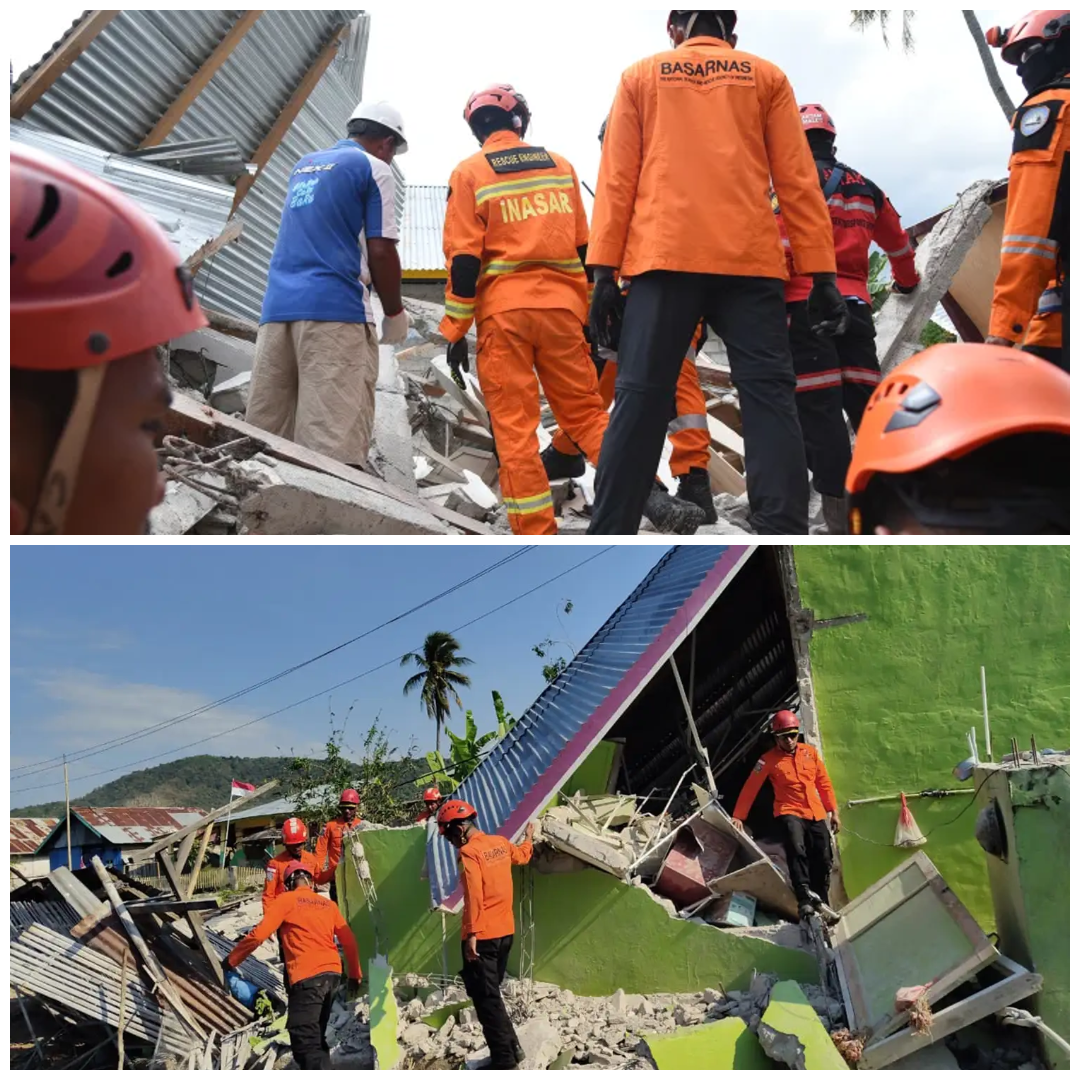
The quake caused deaths, injuries, displacement and significant structural damage, according to Indonesian disaster-response authorities and subsequent reporting.
Homes were damaged or destroyed, sending residents into emergency shelters and forcing families to make rapid decisions about where to go and whom to help first.
That broader chaos is important to understanding how a mistaken assumption about Pobi’s whereabouts could persist for days.
In a normal situation, a missing 84-year-old woman who could not walk would immediately stand out as an emergency.
After a destructive earthquake, however, dozens or hundreds of urgent situations can unfold simultaneously.
One relative thinks another person helped.
A neighbor assumes emergency workers came.
Someone hears that a family member was “evacuated” without knowing precisely who moved them or where they went.
For Pobi, that confusion almost had catastrophic consequences.
Survival Beneath Rubble Is a Race Against Time
Earthquake rescues often become increasingly urgent with each passing day.
People trapped beneath collapsed structures face multiple threats, including traumatic injuries, falling debris, dehydration, lack of oxygen and exposure to heat or cold.
Survival depends heavily on the specific conditions of the void in which a person is trapped.
In some cases, spaces created by collapsed walls, furniture or structural supports can shield people from the weight above them.
Pobi apparently survived without suffering the kind of major crush injuries that might have made rescue impossible.
But avoiding catastrophic injury was only part of the challenge.
She still had to endure approximately three days without food or water while unable to free herself.
Riba reportedly characterized her survival as close to a miracle.
Given her age, physical condition and the length of time she remained trapped, it is easy to understand why.
The Rescue Was Not the One Her Family Thought Had Happened
Many survival stories begin with someone going missing and a desperate search starting immediately.
Pobi’s story unfolded in the opposite way.
Her family did not initially realize they needed to search for her.
They thought the rescue had already happened.
That misunderstanding is what makes the eventual discovery so unsettling.
For three days, there were effectively two versions of Pobi’s fate.
In the family’s mind, she had been moved somewhere safe.
In reality, she was still beneath the ruins, unable to tell anyone otherwise.
Only when relatives returned to the house did those two realities collide.
They were not returning to rescue someone they knew was trapped.
They were discovering that the person they thought had been saved had never left.
She Emerged Weak, but Without Major Injuries
After Pobi was pulled from the debris, reports indicated that she was severely weakened by the ordeal but had not suffered major physical injuries.
That outcome is remarkable considering both her age and the violence of the earthquake.
Her recovery would still require care after days without food and water, but she had survived the most immediate danger.
The result offered one hopeful moment amid a disaster that brought devastation to other families.
It also serves as a reminder of one of the most difficult realities following large-scale emergencies:
Accounting for vulnerable people can be as important as rescuing those whose locations are already known.
Three Days Later, They Finally Found Her
On Aug. 15, the earthquake brought down Pobi’s home.
Her family believed someone else had gotten her out.
No one had.
For the next three days, the 84-year-old woman remained beneath the rubble, unable to move herself to safety and unable to summon help effectively.
Then her relatives returned.
What they expected to find in the ruins is less important than what was actually there.
Paulina Pobi was alive.
Weak, dehydrated and trapped — but alive.
Her survival was extraordinary.
But the detail her family may remember most is also the most haunting:
For three days, they thought she had already been rescued.