NANCY GUTHRIE CASE: HUMAN REMAINS FOUND IN ARIZONA DESERT — BUT NO LINK CONFIRMED
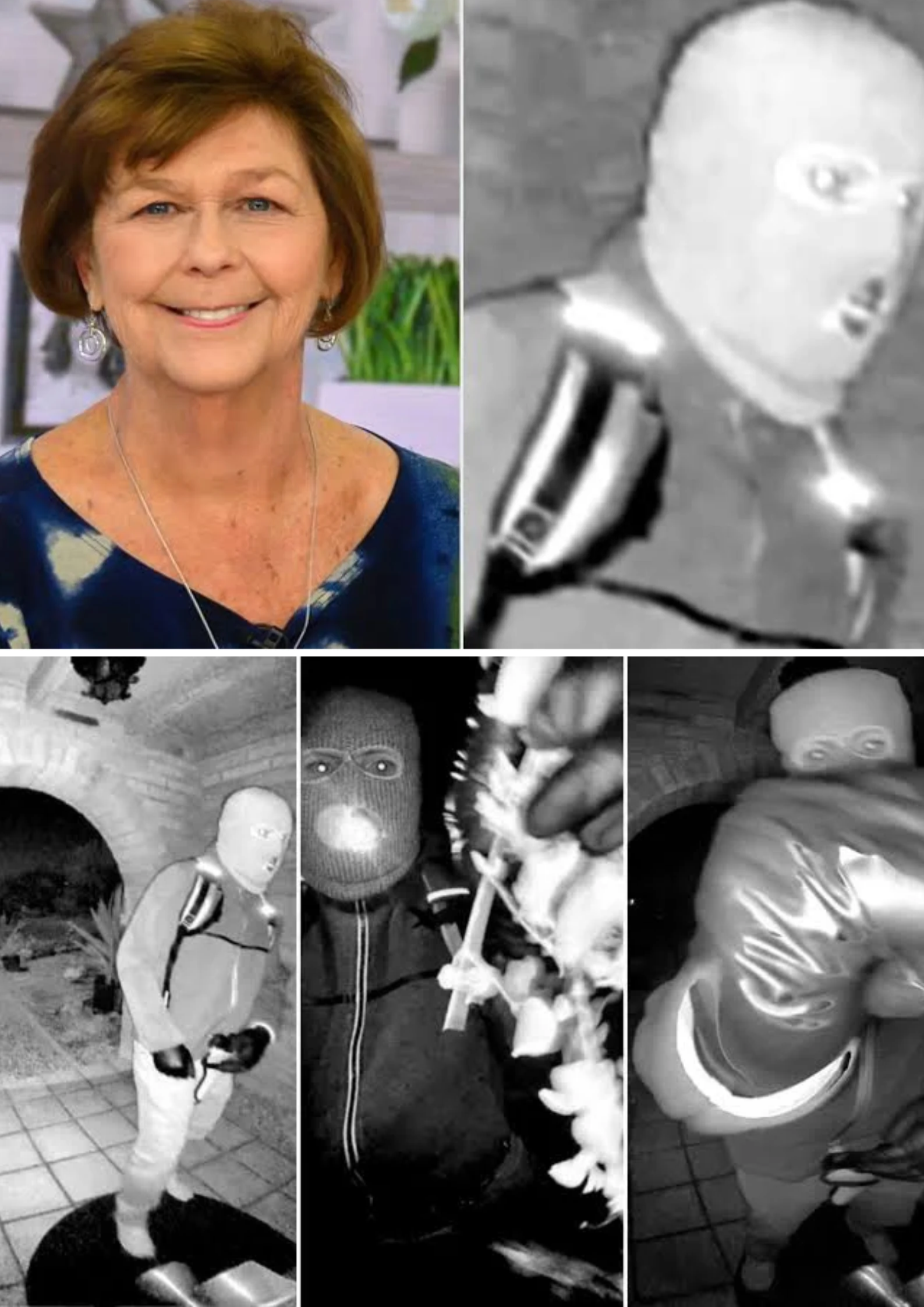
NANCY GUTHRIE CASE: HUMAN REMAINS FOUND IN ARIZONA DESERT — BUT NO LINK CONFIRMED
The discovery of human remains in the Arizona desert has renewed questions about the disappearance of Nancy Guthrie, who has been missing from her Tucson home for nearly seven months.
The remains were found roughly 15 miles from Guthrie’s home, prompting understandable concern among those following the case.
But authorities have stressed one crucial point:
There is currently no indication that the remains are connected to Nancy Guthrie.
Pima County Chief Medical Examiner Greg Hess told CNN that every set of remains arriving at his office is considered as a potential identification in Guthrie’s case. However, investigators have not publicly said that the latest discovery provides a breakthrough.
 WHY HUMAN REMAINS ARE COMMON IN THE REGION
The Tucson area presents investigators with an unusually difficult identification challenge.
Pima County lies close to the U.S.-Mexico border and includes large areas of the Sonoran Desert, where extreme heat, dehydration and exposure have claimed numerous lives.
Hess said roughly 150 sets of human remains are discovered in Pima County each year, with many believed to be migrants who died while crossing the desert.
His office currently holds approximately 600 unidentified sets of remains, according to CNN.
 THE DESERT CAN DESTROY CRUCIAL CLUES
Identifying remains in the Sonoran Desert can be extraordinarily difficult.
Extreme heat, intense sunlight, monsoon flooding and animals can damage or scatter remains, sometimes leaving investigators with only skeletal evidence.
Forensic anthropologists may need to examine the bones for clues about age, sex and identity, while DNA testing can ultimately provide confirmation.
That process can take time — particularly when investigators have no confirmed identity to compare against.
A MUCH LARGER TRAGEDY
The attention surrounding Nancy Guthrie’s disappearance has also highlighted a painful reality affecting hundreds of families across the region.
For every highly publicized missing-person case, there are families searching for loved ones whose remains may have remained unidentified for months or years.
Researchers have described the continuing deaths along the southern border as a “chronic mass disaster,” arguing that the true number of people who have died in the desert may be considerably higher than official figures.
WHAT HAPPENS NEXT?
The latest remains will need to undergo forensic examination and identification procedures.
Until authorities establish an identity, there is no factual basis for saying they belong to Nancy Guthrie.
Her family is still waiting for answers.
And for investigators, the question remains painfully simple:
Could these remains finally provide a clue — or are they another tragic case in a desert already filled with unidentified victims?
For now, authorities say there is no confirmed connection to Nancy Guthrie.