LINDSAY CLANCY TRIAL: DEFENSE CHALLENGES EXPERT OVER HER MENTAL HEALTH
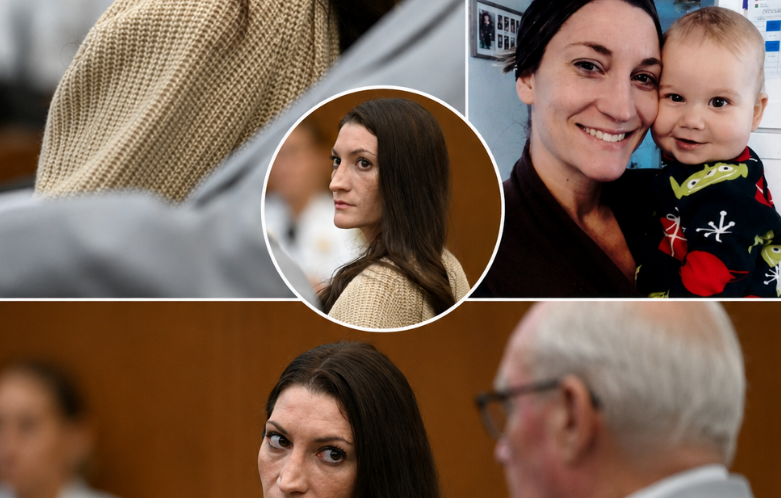
LINDSAY CLANCY TRIAL: DEFENSE CHALLENGES EXPERT OVER HER MENTAL HEALTH
The defense in Lindsay Clancy’s Massachusetts trial spent Monday challenging prosecution expert Dr. Avram Mack, focusing on whether his assessment of Clancy’s mental health adequately accounted for the severe symptoms she experienced before the deaths of her three children.
Mack testified by Zoom that he diagnosed Clancy with a major depressive episode and possibly anxiety, but said he found no evidence that she was psychotic or delusional at the relevant time.
 THE DEFENSE POINTS TO HER WARNING SIGNS
Defense attorney Kevin Reddington repeatedly walked Mack through Clancy’s medical history.
Among the symptoms highlighted were:
- Severe anxiety
- Serious sleep problems
- Suicidal thoughts
- Feeling overwhelmed
- Intrusive thoughts involving her children
- Loss of pleasure
- Unusual thinking
Mack acknowledged those symptoms but disagreed that they demonstrated postpartum psychosis.
DOCTORS DISAGREE ABOUT HER DIAGNOSIS
Another major point of cross-examination was the disagreement among mental-health professionals who have evaluated or considered Clancy’s condition.
Reddington pointed to other experts who have diagnosed or considered bipolar disorder, including bipolar I and bipolar II.
Mack stood by his own conclusion that Clancy’s symptoms were most consistent with Major Depressive Disorder, rather than a psychotic illness.
 HOW RELIABLE WAS THE EVALUATION?
Reddington also questioned Mack about the timing of his evaluation.
Mack evaluated Clancy in 2026, roughly three years after the deaths, and the defense questioned whether that distance could affect his conclusions about her mental state at the time of the incident.
Reddington also highlighted that Mack was retained by prosecutors.
Mack said he interviewed Clancy several times, including one session lasting approximately four to five hours, and maintained that his conclusions were based on the information available to him.
PSYCHOLOGICAL TESTING BECOMES ANOTHER BATTLE
The defense also questioned Mack about psychological testing performed on Clancy.
Mack acknowledged that the testing did not indicate she was intentionally faking or exaggerating her symptoms.
At another point, Reddington pressed Mack over whether hearing voices can be associated with psychosis. The exchange became tense enough that the judge intervened when Mack did not immediately provide the answer Reddington was seeking.
THE CENTRAL ISSUE
The testimony highlights one of the most important questions in Clancy’s trial:
Was she experiencing a severe postpartum mental illness that substantially affected her ability to understand reality and control her actions — or was her condition primarily a major depressive disorder without psychosis?
The prosecution’s expert maintains his diagnosis.
The defense is arguing that the full history of Clancy’s symptoms points toward something far more severe.
As testimony continues, the battle between competing psychiatric interpretations could become critical to how jurors understand Clancy’s mental state at the time of the deaths.
The question is no longer simply what symptoms Clancy experienced — but what those symptoms meant.