Dolly Parton’s Playful Final Message to Taylor Swift and Travis Kelce Took on New Meaning After Her Death
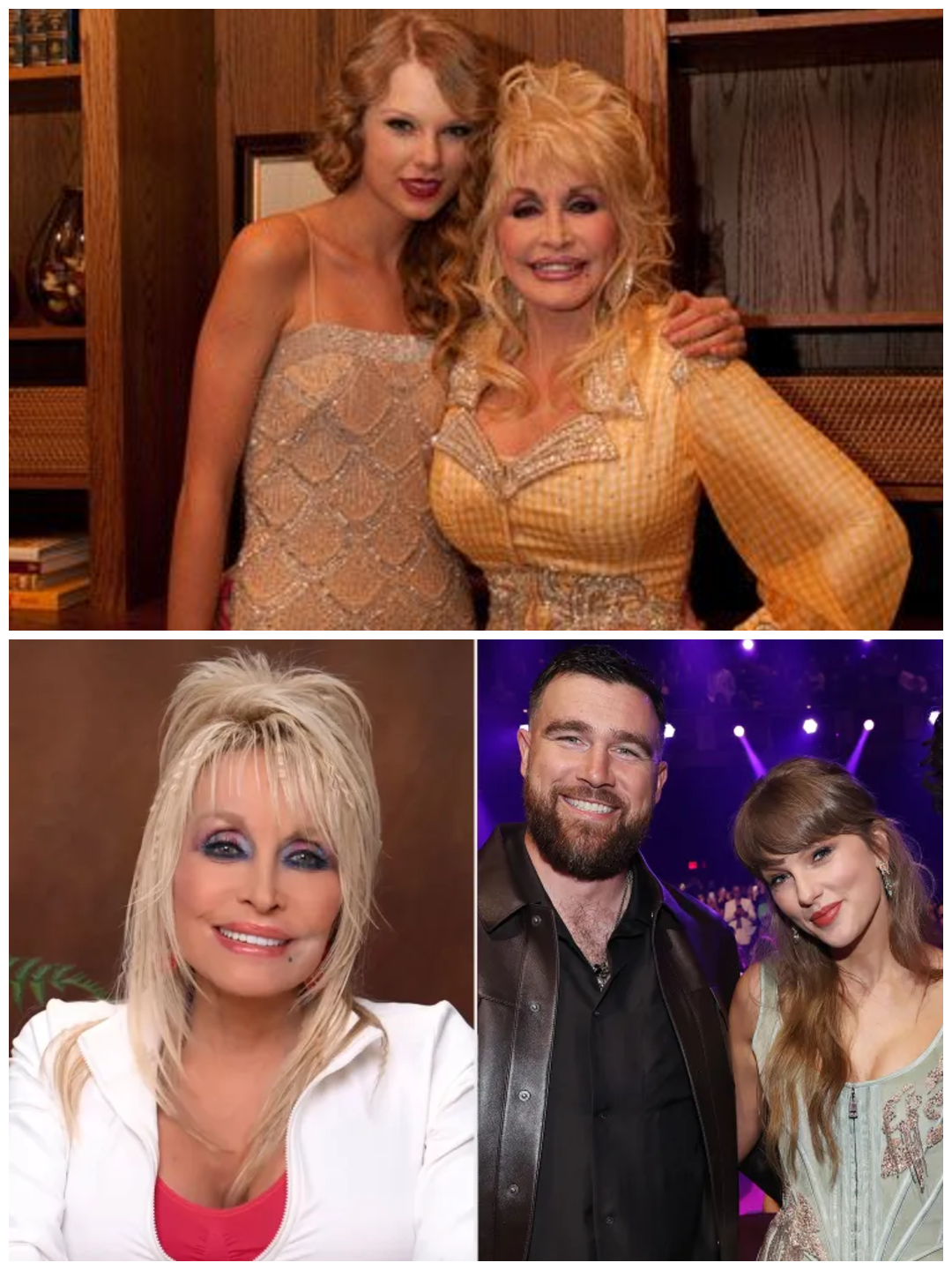
One of Dolly Parton’s final public video messages captured the qualities fans had loved about her for decades: generosity, humor and an instinct for making even a serious moment feel personal.
On July 3, the day Taylor Swift and Travis Kelce were married, Parton posted a video thanking the couple for a $2 million donation to her Imagination Library. Dressed in white and speaking directly to the newlyweds, the country icon said she was overwhelmed by their generosity.
Then, in classic Dolly fashion, she turned the thank-you into a joke.
After praising Swift and Kelce for making charitable giving part of their lives, Parton teased that their generosity made her wonder whether she could have their future firstborn child because the baby was bound to be special.
She quickly returned to the purpose behind the message, explaining that the couple’s $2 million gift would allow the Imagination Library to expand its work. She ended with a reference to one of the most famous songs she ever wrote, telling the couple that she would always love them before blowing a kiss toward the camera.
The video would become especially poignant less than two months later.
Parton died on Aug. 25 at age 80. Her nephew, Bryan Seaver, announced her death, making the July message to Swift and Kelce one of the final videos she shared publicly.
The charitable cause at the center of that message had been one of Parton’s most enduring projects.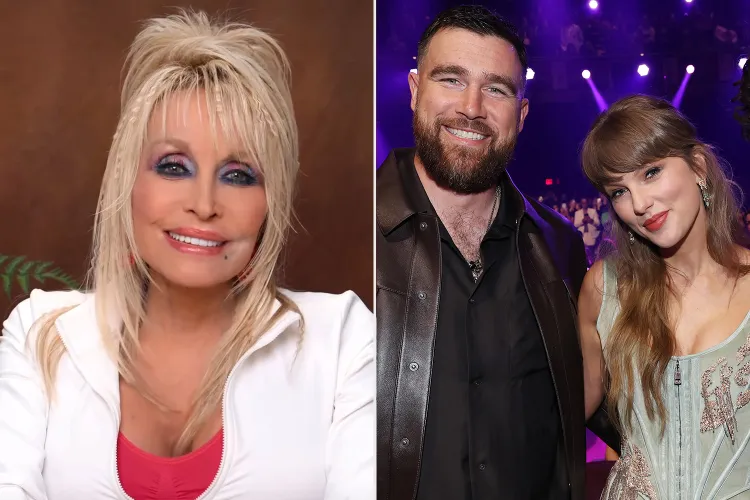
She founded the Imagination Library in 1995, initially focusing on children near her hometown of Sevierville, Tennessee, in the Smoky Mountains. The program grew dramatically over the following decades, ultimately distributing more than 200 million books around the world.
Parton often spoke about the importance of helping children discover reading. In 2023, she explained that books can contain the beginnings of a child’s dreams and described encouraging a love of reading through the Imagination Library as one of the great gifts of her own life.
Swift’s connection with Parton also extended well beyond the wedding donation.
The two had known each other for years, with Parton offering encouragement as Swift was beginning her career in Nashville. Their musical worlds crossed in another way through Miley Cyrus, Parton’s goddaughter. Swift wrote and performed “Crazier” for the 2009 film Hannah Montana: The Movie.
By 2026, Swift had become a 14-time Grammy winner, while Parton remained one of country music’s most recognizable figures.
Their July exchange, however, was less about celebrity than about what Parton increasingly said she wanted the final stage of her life to represent.
Months before her death, she reflected on approaching 80 and said her focus had shifted toward creating things that could continue helping people after she was gone. She was proud of what she had already built, but she still wanted to leave behind work that would remain useful to others.
The Imagination Library fit that ambition perfectly.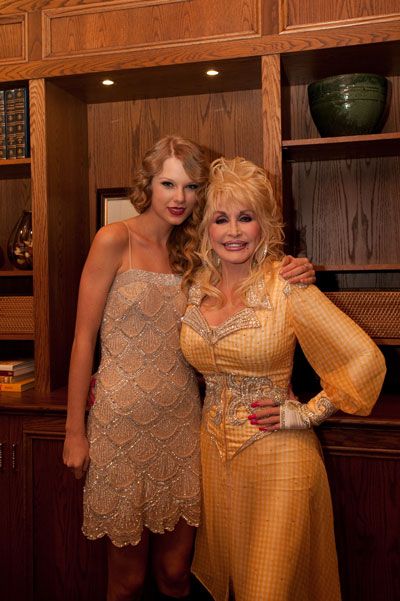
What began as a program serving Parton’s home community became an international effort placing books into the hands of children. Swift and Kelce’s contribution represented another major investment in that mission.
That helps explain why Parton appeared so genuinely delighted in the video.
She was not simply thanking two famous people for making a large donation. She was celebrating support for a project that had become central to how she thought about her legacy.
At the same time, the clip never became solemn.
Parton joked about the couple’s future baby, smiled through her gratitude and finished with a playful musical reference familiar to generations of listeners.
In hindsight, that combination makes the video particularly memorable.
Parton had experienced health challenges before her death, including the cancellation of a planned Las Vegas residency. Yet one of the last messages fans received from her was not centered on illness.
It was centered on books, children, generosity and laughter.
Her message to Swift and Kelce lasted only a short time, but it reflected a much larger philosophy Parton had expressed as she entered the final chapter of her life: whatever she created next, she wanted it to be useful to somebody else.
The $2 million gift gave one of her most important projects additional support.
Parton’s response supplied something equally characteristic — a sincere thank-you wrapped in a joke, sealed with a kiss and finished with words that had followed her for more than half a century:
“I will always love you.”