DEFENSE FINDS A SECOND BATTLEFRONT: STEPHEN SCHNEIDER’S LAWYERS CHALLENGE MORE THAN JUST THE ALCOHOL EVIDENCE
DEFENSE FINDS A SECOND BATTLEFRONT: STEPHEN SCHNEIDER’S LAWYERS CHALLENGE MORE THAN JUST THE ALCOHOL EVIDENCE
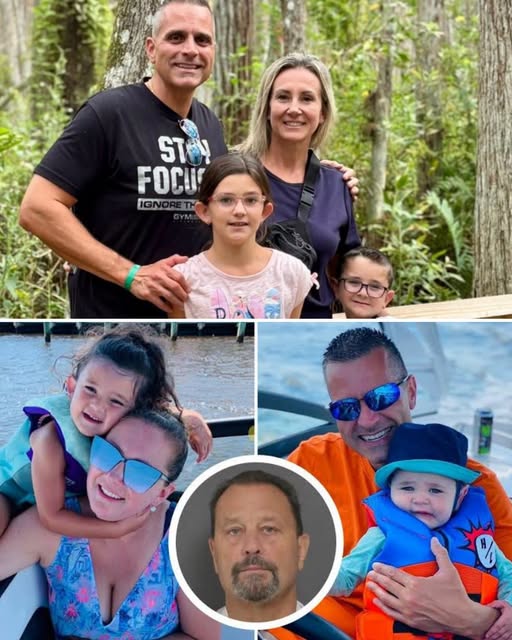
BARNEGAT BAY, N.J. — The legal battle surrounding Stephen Schneider may be about more than the alcohol found in his system after the boat crash that claimed the lives of his two young grandchildren.
Prosecutors say Schneider’s blood alcohol concentration was approximately 0.16% after the July 19 collision — roughly twice New Jersey’s legal limit for operating a vessel. But his defense is also examining the physical conditions surrounding the crash, including the channel marker struck by the boat and how visible it was at night.
 THE ALCOHOL EVIDENCE
According to court documents, Schneider told investigators he had consumed three beers over approximately two hours before the crash.
The collision occurred at about 9 p.m. when his Tidewater Custom 280 struck an Intracoastal Waterway channel marker in Barnegat Bay.
Authorities allege that Schneider was operating the vessel while impaired. He now faces charges including reckless vessel homicide, operating a vessel under the influence and reckless operation of a vessel.
BUT THE DEFENSE IS LOOKING AT THE MARKER
Schneider’s attorneys have indicated that investigators must also examine the conditions surrounding the marker itself.
During a court hearing, the defense raised questions about whether the channel marker was lighted or unlighted at the time of the collision.
Court records also indicate Schneider told investigators that he was traveling at approximately 20 mph and saw the marker only at the last moment.
That detail could become significant as the defense examines what Schneider could actually see from the helm before the collision.
 TWO CHILDREN WERE THROWN FROM THE BOAT
Schneider’s grandchildren, 9-year-old Mya and 7-year-old Sigmund, were aboard the boat when it struck the marker.
According to authorities, both children were wearing life jackets and were seated toward the front of the vessel.
The impact threw the children into the water. They later died from injuries sustained in the crash.
TWO SIDES, ONE CRITICAL QUESTION
For prosecutors, the 0.16% BAC is expected to be an important part of the case as they argue that Schneider’s condition affected his ability to safely operate the boat.
The defense, meanwhile, appears prepared to examine another question: What exactly could Schneider see from the helm immediately before the collision?
The visibility of the channel marker, nighttime conditions, the boat’s speed and Schneider’s physical condition could all become relevant as attorneys reconstruct the final seconds before impact.
None of those issues, however, has been determined by a court to have caused the crash.
SCHNEIDER HAS BEEN RELEASED
A judge ordered Schneider released under conditions following his August 19 hearing.
He was prohibited from operating a boat or motor vehicle while completing a court-ordered assessment. His next court appearance was scheduled for September 15.
The defense has also emphasized that the crash was not intentional and that Schneider’s family supports his release.
THE NEXT LEGAL BATTLE
The case could ultimately become a fight over competing explanations of the same few seconds.
Was the collision primarily the result of alleged impairment? Did nighttime visibility play a role? And what could Schneider reasonably have seen as the boat approached the channel marker?
Those questions will now become increasingly important as the case moves forward.
The 0.16% BAC may be at the center of the prosecution’s case — but the defense is signaling that the marker, the darkness and the physical conditions on the water could become the second major battlefield in court.