DEFENSE FINDS A SECOND BATTLEFRONT: STEPHEN SCHNEIDER’S LAWYERS CHALLENGE MORE THAN ALCOHOL EVIDENCE
DEFENSE FINDS A SECOND BATTLEFRONT: STEPHEN SCHNEIDER’S LAWYERS CHALLENGE MORE THAN ALCOHOL EVIDENCE
BARNEGAT BAY, N.J. — The criminal case against Stephen Schneider could become a battle over far more than his alleged alcohol impairment.
After prosecutors pointed to a 0.16% blood alcohol concentration following the fatal boat crash that killed Schneider’s two grandchildren, his defense attorneys are examining another critical issue: what Schneider could actually see from the helm in the darkness before the collision.
The case now centers on a crucial question — was the deadly crash solely the result of alleged impairment, or did the conditions on the water also play a role?
 THE 0.16% BAC AT THE CENTER OF THE CASE
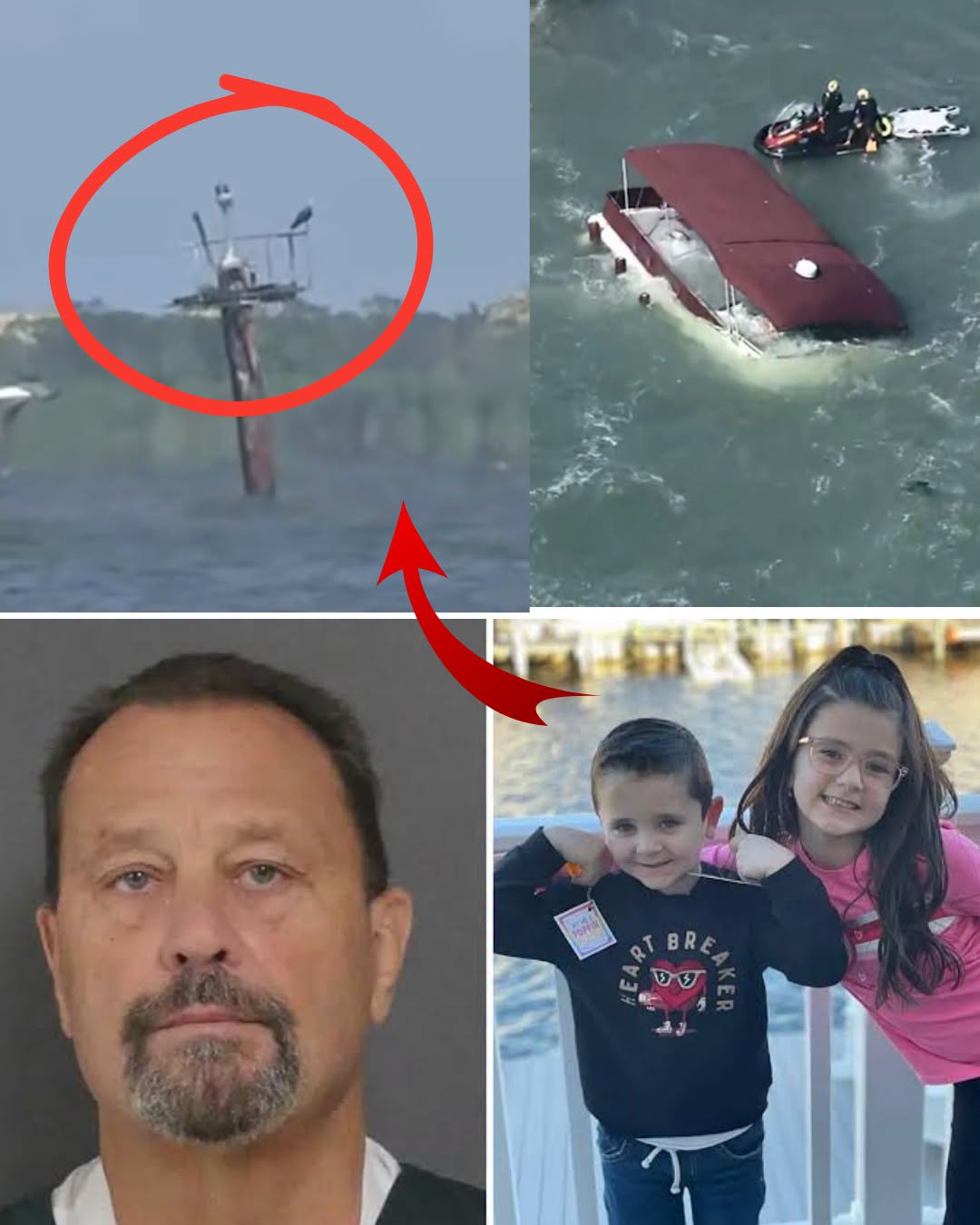
Schneider was operating a boat on Barnegat Bay, New Jersey, when the vessel collided with a channel marker, throwing his grandchildren, 9-year-old Mya and 7-year-old Sigmund, into the water.
Investigators later determined that Schneider’s blood alcohol concentration was approximately 0.16%.
Prosecutors are expected to argue that the level of alcohol in his system significantly impaired his ability to safely operate the vessel.
Schneider faces charges related to the deaths, including allegations of reckless vessel operation and operating a boat under the influence.
But his defense is not accepting the alcohol evidence as the only explanation for what happened.
THE CHANNEL MARKER COULD BECOME A SECOND BATTLEFRONT
Defense attorneys are examining the channel marker involved in the collision, including its condition and nighttime visibility.
That issue could become significant because Schneider has reportedly told investigators that he was traveling at roughly 20 mph and did not see the marker until moments before impact.
If the defense can establish that visibility was poor or that the marker was difficult to see under the conditions that night, attorneys could argue that the physical environment must also be considered when reconstructing the crash.
That does not establish that the marker caused the collision, but it could become an important part of the defense’s argument.
 TWO CHILDREN WERE ON BOARD
Mya and Sigmund were aboard the boat when it struck the marker.
The impact sent both children into the water.
Despite rescue efforts, neither survived.
Their deaths transformed what was supposed to be a family outing into a devastating tragedy and placed Schneider at the center of a criminal investigation.
PROSECUTORS SEE A DIFFERENT PICTURE
For prosecutors, the circumstances surrounding Schneider’s condition are likely to remain central.
A blood alcohol concentration of 0.16% provides the state with evidence it can use to argue that Schneider’s ability to operate the boat safely was severely compromised.
Investigators are also examining the sequence of events leading up to the crash, including the boat’s speed, Schneider’s actions at the helm and the moments immediately before impact.
The prosecution’s argument will ultimately have to connect the alleged impairment to the conduct that caused the children’s deaths.
THE DEFENSE WANTS THE WHOLE SCENE EXAMINED
The defense, meanwhile, appears to be building a broader reconstruction of the accident.
The boat, channel marker, nighttime conditions, visibility and blood-alcohol evidence could all become pieces of the same legal puzzle.
Attorneys may argue that simply establishing Schneider’s BAC does not, by itself, answer every question about why the boat collided with the marker.
What could he see?
How visible was the marker?
How quickly could a person traveling at that speed react?
And did environmental conditions contribute to the crash?
Those questions could become increasingly important as the case moves forward.
AN UPCOMING FIGHT OVER CAUSE AND RESPONSIBILITY
The case will ultimately require the court to examine Schneider’s conduct and the circumstances surrounding the collision.
The defense does not have to prove that the channel marker was solely responsible for the tragedy. Instead, challenging the state’s reconstruction of the crash could be an important strategy for creating doubt about exactly how the collision occurred.
For the families involved, however, the legal arguments cannot change the devastating outcome.
Two children went out on a family boat ride and never came home. Now, as prosecutors focus on the 0.16% BAC and the defense scrutinizes the channel marker and nighttime visibility, the coming legal battle could hinge on what happened in the final moments before the boat struck the marker.