STEPHEN SCHNEIDER CASE: RECORDS DETAIL ALLEGED LOSS OF REACTION BEFORE GRANDCHILDREN WERE THROWN FROM BOAT
STEPHEN SCHNEIDER CASE: RECORDS DETAIL ALLEGED LOSS OF REACTION BEFORE GRANDCHILDREN WERE THROWN FROM BOAT
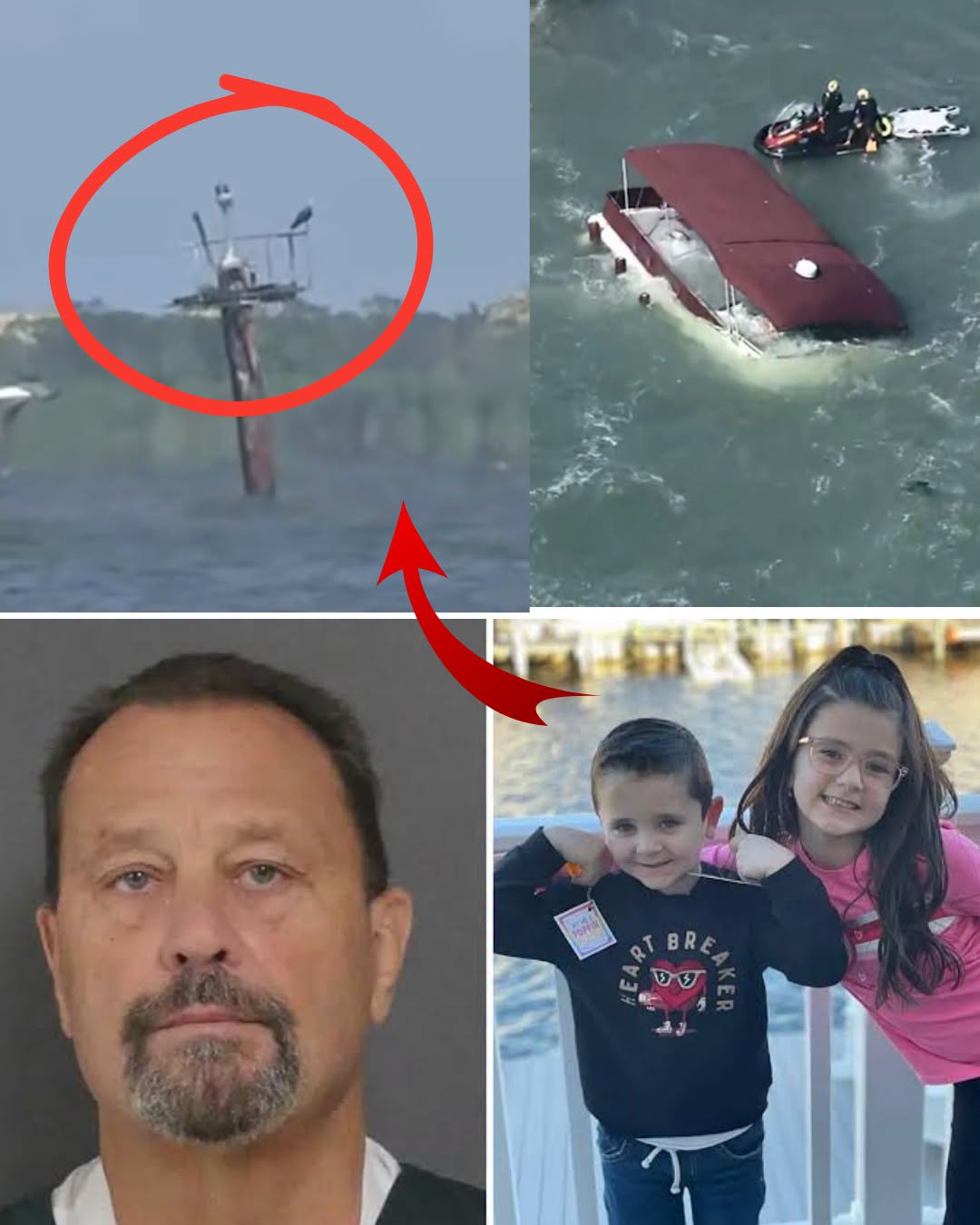
New details from investigative records are shedding light on what prosecutors say happened in the moments before Stephen Schneider’s boat collided with a channel marker, leaving his two grandchildren, Mya and Sigmund, overboard.
According to case documents, investigators allege that Schneider’s alcohol level significantly affected the critical abilities needed to safely operate the vessel.
The case is therefore about more than whether Schneider had been drinking.
Prosecutors are arguing that his alleged impairment may have affected his judgment, reaction time and coordination immediately before the collision.
 INVESTIGATORS FOCUS ON SCHNEIDER’S ABILITY TO REACT
State Police investigators contend that alcohol in Schneider’s system compromised several functions essential to operating a boat.
Those alleged impairments included slower reaction time, reduced coordination and impaired decision-making.
Investigators are examining whether those effects prevented Schneider from responding appropriately when the danger became apparent.
According to the records, Mya and Sigmund were aboard the boat when the collision occurred and were subsequently thrown from the vessel.
The circumstances surrounding those final moments have become a central part of the prosecution’s case.
 A 0.16% BLOOD ALCOHOL LEVEL
Schneider’s reported blood alcohol concentration of 0.16% is another major element of the investigation.
Prosecutors are expected to argue that the level provides evidence that Schneider was substantially impaired while operating the boat.
However, the defense has challenged the prosecution’s broader interpretation of the evidence.
Attorneys for Schneider are examining the physical conditions surrounding the crash, including the channel marker and its visibility at night.
That means the upcoming legal battle could focus on both Schneider’s condition and the environment in which the collision occurred.
ACCIDENT OR AVOIDABLE TRAGEDY?
The distinction could become critical in court.
The prosecution’s position is that Schneider’s alleged impairment affected his ability to safely navigate the vessel and respond to a hazard.
The defense, meanwhile, is examining whether factors such as nighttime visibility, the location of the channel marker and conditions on the water may have contributed to the collision.
Those competing arguments could determine how the jury ultimately interprets the events.
At the heart of the case is a devastating question: could the collision have been avoided if Schneider had been fully capable of reacting?
THE INVESTIGATION CONTINUES
The records provide prosecutors with a framework for arguing that the incident was more than a simple boating mishap.
But the allegations remain part of an ongoing criminal case, and Schneider is entitled to the presumption of innocence unless proven guilty in court.
As attorneys prepare for the next stage of the proceedings, investigators and prosecutors continue examining the evidence surrounding the collision, including Schneider’s reported alcohol level, his ability to operate the vessel and the visibility of the channel marker.
For the families of Mya and Sigmund, the legal arguments are ultimately about understanding what happened during the final moments of a devastating night.
And for Schneider’s defense, the question remains whether alcohol alone tells the complete story of what happened on the water.