17-YEAR-OLD WITH NOONAN SYNDROME ONCE BARELY ABLE TO WALK DUE TO ELEPHANT-LIKE LEGS, NOW STANDING AND PLAYING AGAIN AFTER LIFE-CHANGING SURGERY
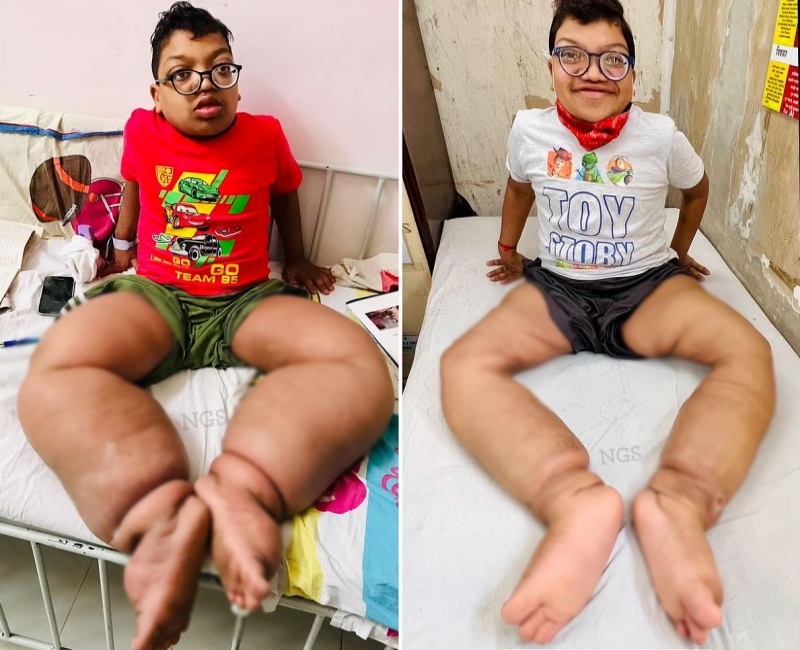
A 17-year-old boy who had spent a long period largely confined to bed because of severe swelling in both legs has finally been able to stand, move around and enjoy being active again after undergoing a complex six-hour operation.
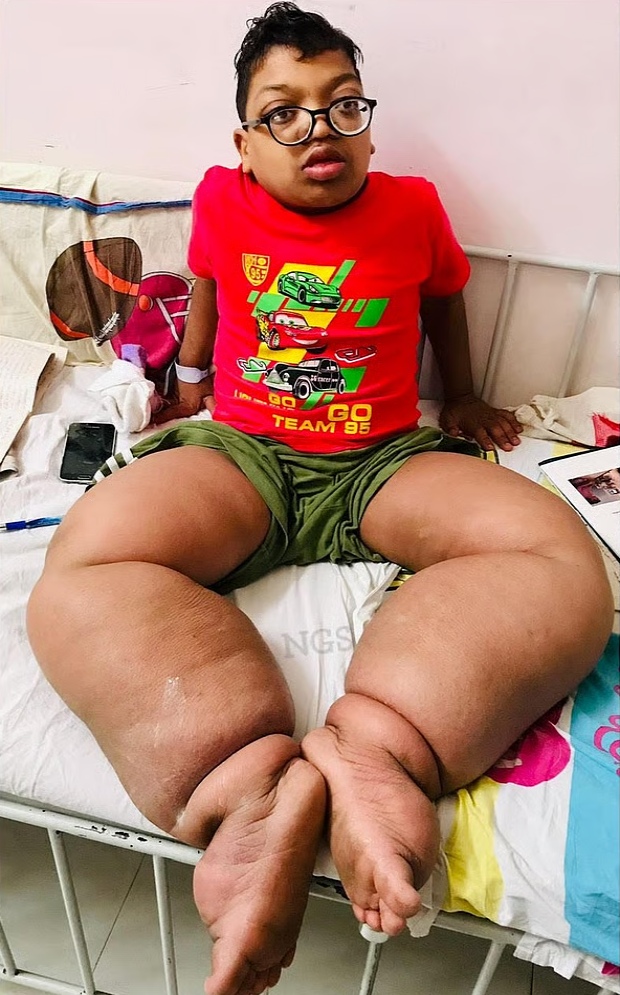
Puraw had been living with primary lymphoedema, a rare condition linked to his Noonan syndrome that caused significant swelling in his legs and groin.
What began as swelling gradually became a huge challenge in his everyday life. As his legs became heavier and movement became increasingly difficult, Puraw eventually became dependent on his parents for basic activities and personal care.
For his family, watching their teenage son lose his independence was heartbreaking.
“We just wanted to see him on his feet again,” his parents shared. “We never stopped hoping that one day he would be able to move freely and do things for himself.”
Doctors at Bai Jerbai Wadia Hospital for Children in Mumbai diagnosed Puraw with primary lymphoedema and recommended an advanced procedure known as vascularized lymph node transfer (VLNT).
During the six-hour microsurgical procedure, healthy lymph nodes were carefully transferred from another part of the body to his affected lower limbs. The goal was to help improve fluid drainage and reduce the swelling.
Puraw spent 10 days recovering in hospital before returning home.
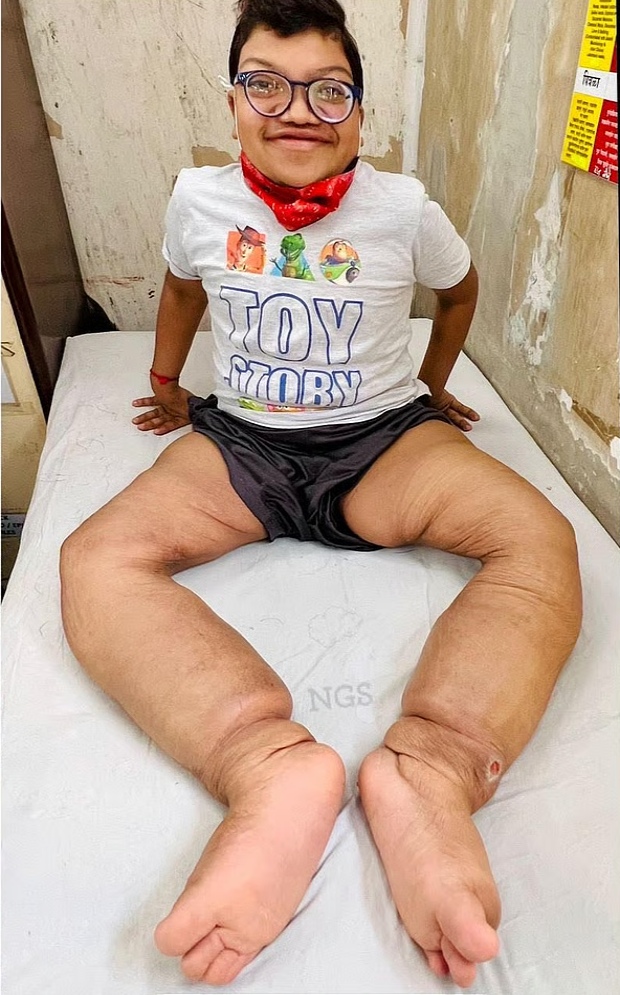
The results brought enormous relief to his family. The swelling in both legs reduced significantly, and the teenager gradually regained mobility.
After spending so much time unable to move freely, Puraw could once again stand, walk, play and take part in everyday activities.
“Seeing him become active again has been an incredible feeling,” his family said. “We are so grateful that he has another chance to enjoy his childhood and become more independent.”
His parents have also been taught a special massage technique called manual lymphatic drainage to support his ongoing care.
Doctors emphasize that lymphoedema is a complex, long-term condition and that there is no simple permanent cure. However, advances in microsurgery are offering new hope to patients who previously had very limited treatment options.