“HOSPITAL FAILURES EXPOSED — BUT LUCY LETBY’S CONVICTIONS REMAIN IN PLACE”
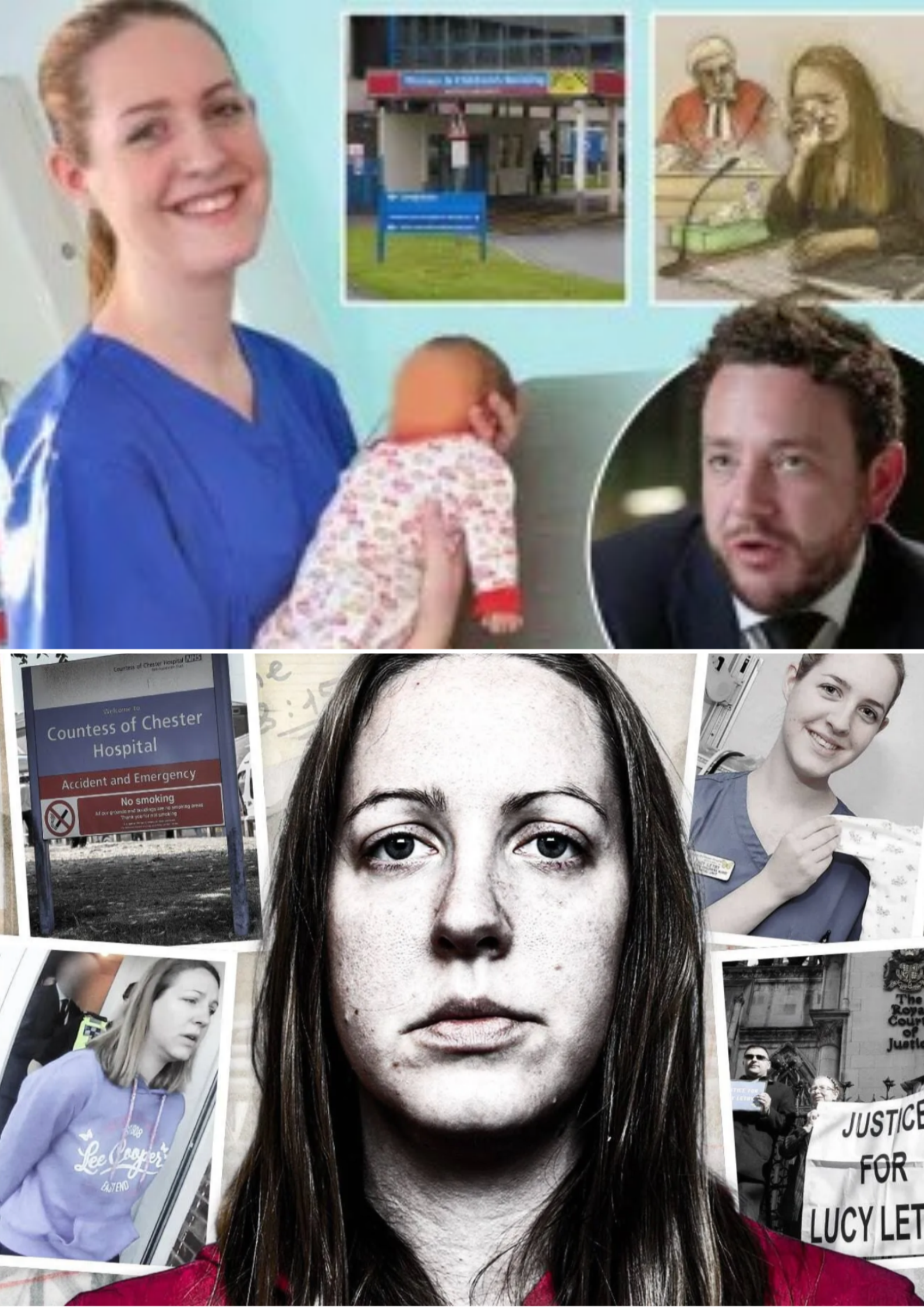
“HOSPITAL FAILURES EXPOSED — BUT LUCY LETBY’S CONVICTIONS REMAIN IN PLACE”
The long-awaited Thirlwall Inquiry has delivered a damning assessment of hospital leadership and safeguarding failures. But the report was never intended to decide whether the former neonatal nurse’s convictions should be overturned.
A major public inquiry into the events surrounding Lucy Letby has exposed serious failures at the Countess of Chester Hospital — raising difficult questions about how concerns were handled while babies were collapsing and dying.
Published on September 15, 2026, the report by Lady Justice Kathryn Thirlwall described dysfunctional management, poor communication between hospital leaders and clinicians, and a failure to understand when safeguarding procedures needed to be activated.
Yet the findings do not automatically change the criminal convictions that left Letby serving 15 whole-life sentences.
 A damning assessment of hospital leadership
The inquiry examined events at the hospital between 2015 and 2018, including how staff and managers responded to concerns about Letby.
Its findings were deeply critical. Hospital leaders failed to act appropriately when suspicions emerged, while parents were left without crucial information about concerns surrounding their babies.
Lady Justice Thirlwall said there had been a complete failure to protect babies on the neonatal unit. She emphasized that safeguarding action should not have depended on colleagues being certain that deliberate harm had occurred.
The report also highlighted the devastating consequences for families who were kept in the dark for years about what had happened and what hospital staff had suspected.
 Why the report did not overturn the convictions
Letby was convicted of murdering seven babies and attempting to murder seven others. She continues to maintain that she is innocent.
However, the Thirlwall Inquiry was established to investigate the circumstances surrounding the hospital events, examine institutional failures and recommend changes to prevent similar failures in the future.
It was not a criminal appeal court and was not tasked with deciding whether the jury’s verdicts were correct.
That distinction is essential: evidence of serious institutional failures does not, by itself, establish that a criminal conviction is unsafe. Equally, the inquiry’s findings should not be treated as a substitute for the legal process through which any challenge to a conviction must be assessed.
What happens next?
The report recommends significant changes to improve neonatal safeguarding, hospital management and accountability.
Meanwhile, questions about Letby’s convictions belong to the separate legal review and appeal processes. Any new evidence put forward in support of a challenge must be examined through the appropriate legal procedures.
The inquiry has intensified public discussion about accountability, transparency and the protection of vulnerable patients. But claims that it proved deliberate suppression of defence evidence must be supported by specific, independently verified findings; the published inquiry report should not be presented as having established that conclusion.
A case that continues to raise difficult questions
For the families affected, the inquiry’s findings offer an account of institutional failures and recommendations intended to protect other babies in the future.
For the wider public, the distinction between a public inquiry and a criminal appeal can be difficult to navigate. One examines what went wrong within an institution; the other determines whether a conviction should stand under the law.
The Thirlwall report has made serious criticisms of the hospital. It has not, however, overturned Letby’s convictions or issued a new verdict on her guilt.
The questions raised by this case deserve careful scrutiny, accurate reporting and a process grounded in evidence — not conclusions that go beyond what the report actually found.