“I DIDN’T KNOW THEY WERE GONE”: STEPHEN SCHNEIDER’S GRANDCHILDREN VANISHED FROM THE BOAT AFTER THE COLLISION
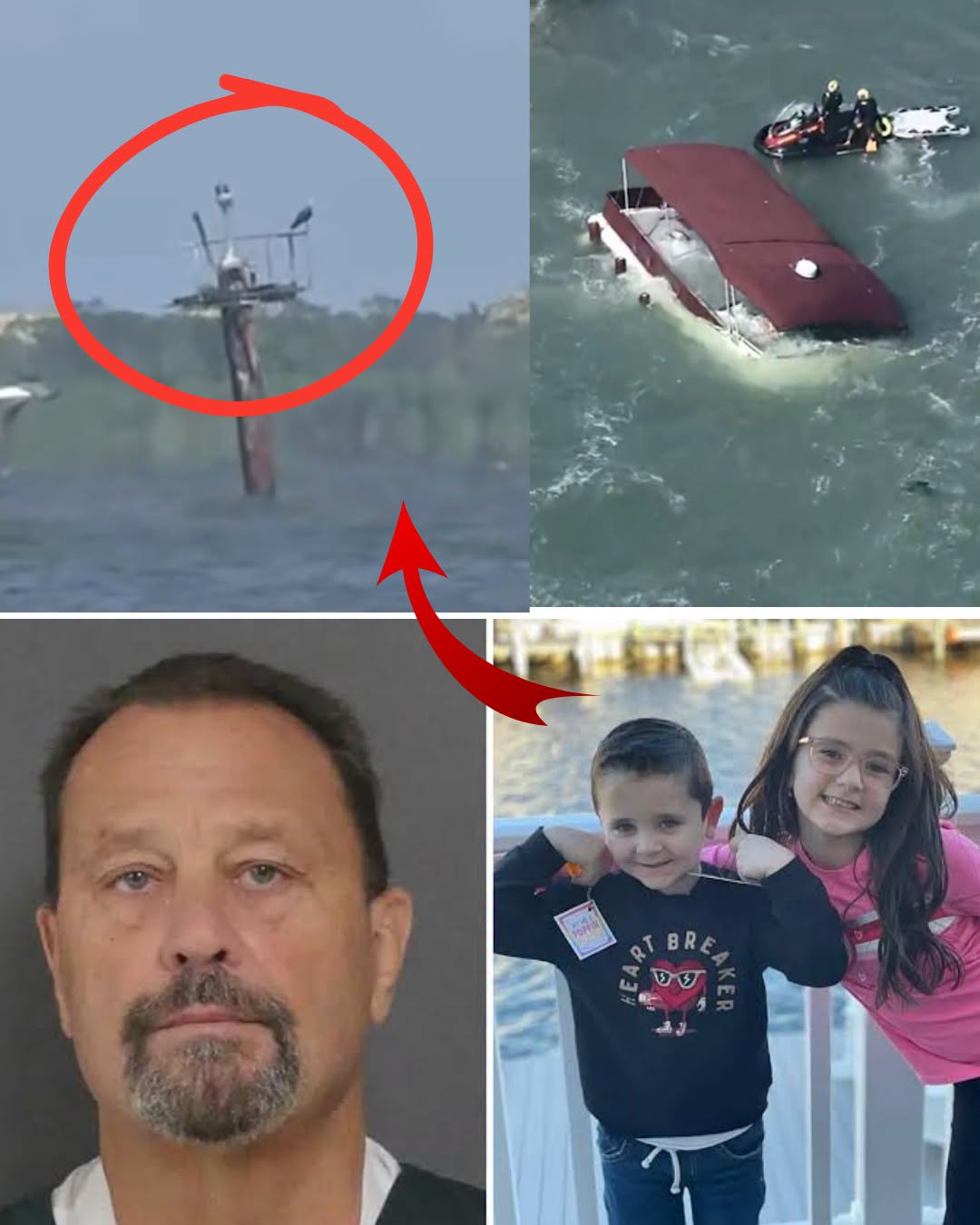
“I DIDN’T KNOW THEY WERE GONE”: STEPHEN SCHNEIDER’S GRANDCHILDREN VANISHED FROM THE BOAT AFTER THE COLLISION
A crucial detail in the Stephen Schneider case is drawing renewed attention: the grandfather reportedly did not realize his two grandchildren were missing from the boat until after the collision.
Mya and Sigmund were aboard a Tidewater Custom 280 when the vessel struck a channel marker during a nighttime outing.
According to reports and case records, the children had been positioned near the bow of the boat.
After the impact, they were no longer aboard.
What followed was a frantic search in the darkness — and a sequence of events that prosecutors and defense attorneys may interpret very differently.
 THE MOMENT EVERYTHING CHANGED
The boat was traveling at night when it struck the marker.
The collision immediately created confusion aboard the vessel.
Mya and Sigmund could no longer be located.
Family members began searching the surrounding water, attempting to determine where the children had gone.
Schneider reportedly entered the water himself as the search continued.
For investigators, the timeline surrounding those moments has become an important part of the case.
WHY DIDN’T SCHNEIDER KNOW IMMEDIATELY?
One of the central questions is exactly when Schneider realized that Mya and Sigmund were no longer aboard.
If the children were positioned toward the front of the vessel, the impact and sudden movement of the boat could have made it difficult for those aboard to immediately understand what had happened.
The defense could use that uncertainty to challenge assumptions about Schneider’s awareness during the critical seconds surrounding the collision.
Prosecutors, however, are expected to focus on what Schneider should have perceived as the person operating the boat.
That difference — between what someone actually noticed and what investigators believe they should have noticed — could become significant in court.
 THE SEARCH IN THE DARKNESS
Once the children were discovered to be missing, the situation became a desperate nighttime search.
Schneider reportedly entered the water in an attempt to find his grandchildren.
Other family members also searched the surrounding area.
The darkness made the search especially difficult.
Every passing minute increased the urgency as rescuers attempted to locate the children.
The tragic circumstances of the search have become an emotional part of the case, but they may also provide investigators with important information about the sequence of events.
ALCOHOL EVIDENCE REMAINS CENTRAL
The defense’s argument about Schneider’s awareness comes as prosecutors continue to focus on his reported 0.16% blood alcohol concentration.
Prosecutors contend that alcohol impaired his ability to operate the vessel safely, potentially affecting his judgment, coordination and reaction time.
The defense has challenged the prosecution’s interpretation and is examining other circumstances surrounding the crash.
Those include the channel marker, its visibility at night and the physical conditions faced by the person operating the boat.
TWO DIFFERENT STORIES MAY EMERGE
The prosecution could argue that Schneider’s alleged impairment explains why the collision happened and why he failed to recognize the children were missing immediately.
The defense may offer a different explanation.
Their argument could focus on the sudden nature of the impact, the position of the children, darkness and the visibility of the marker.
In that version of events, the tragedy may have unfolded in a matter of seconds, leaving the people aboard struggling to understand what had happened.
THE TIMELINE COULD BECOME CRITICAL
In cases involving a fatal boating collision, seconds can matter.
Investigators may examine:
- Where Mya and Sigmund were positioned before impact
- How fast the boat was traveling
- When the marker became visible
- What happened at the moment of impact
- When Schneider realized the children were missing
- How quickly the search began
- What Schneider did immediately afterward
Each detail could help establish what happened during those critical moments.
THE QUESTION OF RESPONSIBILITY
The emotional circumstances of Schneider entering the water to search for his grandchildren are unlikely to answer the broader legal question by themselves.
The court will ultimately have to consider the evidence surrounding the collision and Schneider’s conduct before, during and after the impact.
The defense is now examining multiple factors rather than allowing the case to rest solely on the alcohol evidence.
The channel marker.
The nighttime visibility.
The boat’s movement.
The children’s position.
And Schneider’s awareness immediately after the collision.
A TRAGIC TIMELINE STILL BEING PIECED TOGETHER
Mya and Sigmund went out on the water with their family.
Then came the collision.
The children were suddenly gone.
A frantic search began in the darkness.
And Schneider reportedly entered the water looking for them.
That moment — when the grandfather realized his grandchildren were missing — could become one of the most closely examined points in the entire case.
Because ultimately, the courtroom battle may not be about one piece of evidence.
It may be about reconstructing what happened in the seconds before impact, what Schneider could see, what he understood after the collision, and whether the evidence proves exactly why the tragedy occurred.