THE LAST PEOPLE TO SEE STEPHEN SCHNEIDER BEFORE THE BOAT RIDE COULD HOLD A CRUCIAL PIECE OF THE PUZZLE
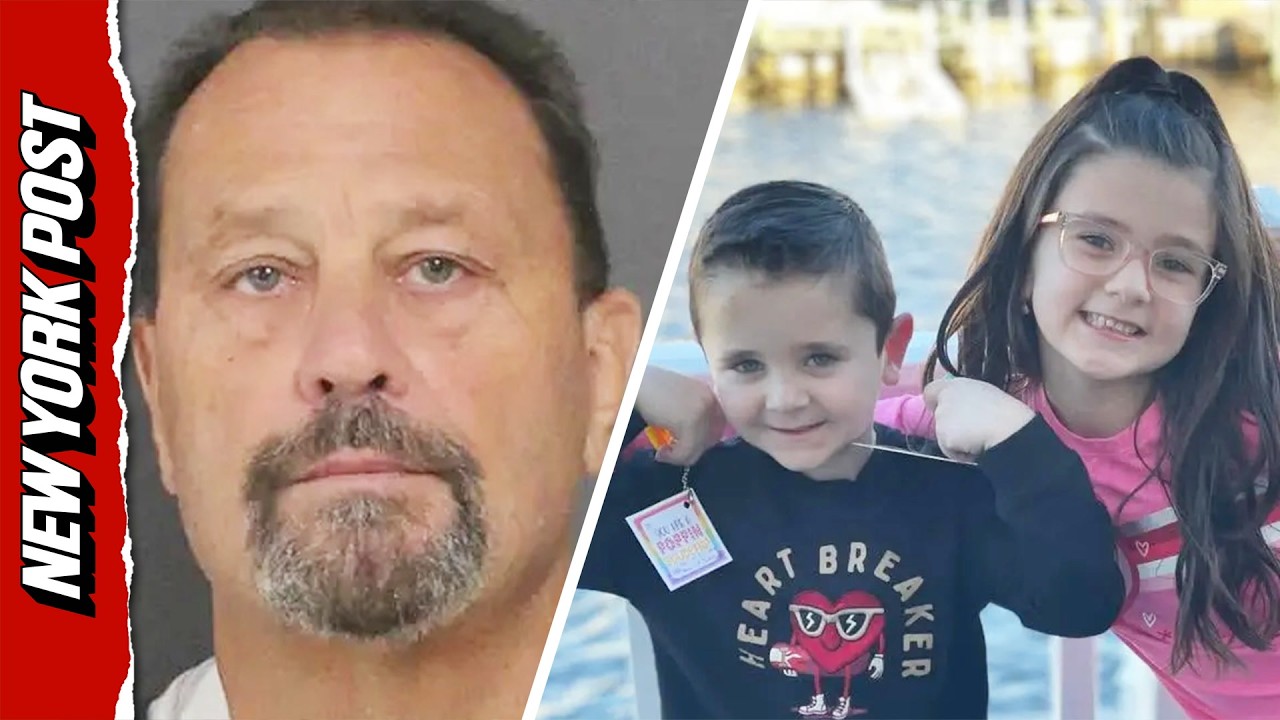
THE LAST PEOPLE TO SEE STEPHEN SCHNEIDER BEFORE THE BOAT RIDE COULD HOLD A CRUCIAL PIECE OF THE PUZZLE
The final people to see Stephen Schneider before he took the helm may have witnessed something investigators desperately need to understand.
On the night of July 19, Schneider was at MJ’s Restaurant Bar & Grill in Bayville, New Jersey, spending time with his wife, his daughter, his son-in-law and his two grandchildren.
According to court documents, Schneider told investigators that he consumed three beers over roughly two hours — two Guinnesses and one Miller Lite.
Then the family left the restaurant.
Shortly afterward, Schneider was operating his 28-foot Tidewater boat when it struck an illuminated channel marker in Barnegat Bay.
His two grandchildren, 9-year-old Mya Bella Golabek and 7-year-old Sigmund Paul Golabek, were thrown into the water. Both were wearing life jackets, but neither survived.
 THEN CAME THE BLOOD TEST
A blood sample obtained under a warrant produced a reported 0.16% BAC — approximately twice New Jersey’s legal limit for operating a vessel.
That result has become one of the most closely scrutinized pieces of evidence in the case. Prosecutors have argued that Schneider was significantly impaired, while the reported three-beer account provides a specific version of how much he says he consumed.
And that is where the people inside the restaurant could become important.
 WHAT DID THEY SEE BEFORE HE LEFT?
Schneider’s family members were there.
Restaurant employees were there.
Other people nearby may also have seen him during the final moments before he returned to the boat.
Their observations could potentially help investigators reconstruct details that a blood test alone cannot answer.
How did Schneider appear as the dinner ended?
What drinks were actually served?
How long had he been drinking?
Was anything else ordered?
And what happened between the moment the check was settled and the moment he boarded the boat?
These questions do not establish guilt by themselves.
But when investigators are trying to reconstruct a precise timeline, even ordinary details can become significant.
THE THREE-BEER ACCOUNT
Schneider’s reported statement is unusually specific.
He did not simply say he had “a few drinks.”
He reportedly identified the beers as two Guinnesses and one Miller Lite and placed the drinking over approximately two hours.
That gives investigators something concrete to compare against other evidence.
Restaurant records could potentially establish what was ordered.
Staff or family recollections could potentially establish what was consumed.
And witness observations could potentially help establish how Schneider appeared immediately before departure.
None of those details, individually, can determine what his BAC was at the exact moment of the crash.
But together, they could help prosecutors and defense attorneys build — or challenge — the timeline surrounding the 0.16% result.
THE MOMENT EVERYTHING CHANGED
Schneider later told investigators that he was traveling at about 20 mph when he saw the channel marker at the last second.
The marker was reportedly illuminated and functioning properly.
The impact sent both children into the water, beginning a frantic rescue effort that ultimately could not save them.
Now, the case is no longer just about what happened on the water.
It is also about what happened before the boat ever left the restaurant.
Because the people who saw Schneider during those final minutes may have witnessed the last available snapshot of his condition before he took control of the vessel.
ONE NIGHT. TWO VERSIONS OF THE TIMELINE.
On one side is Schneider’s reported account:
Three beers. Roughly two hours. Then the boat ride home.
On the other is the reported 0.16% BAC and the prosecution’s allegation that alcohol significantly impaired his ability to operate the vessel.
Between those two pieces of evidence lies a timeline investigators are still examining.
And sometimes, the most important clue isn’t hidden in a laboratory report.
It may be found in the memories of the people who watched what happened just before the boat left.
Who saw Stephen Schneider last?
What did they notice?
And could those final observations help explain what happened during the hours leading up to the crash?