Before E.T. Opened, Universal Quietly Showed It to Michael Jackson and Richard Pryor. A Former Executive Just Revealed Why
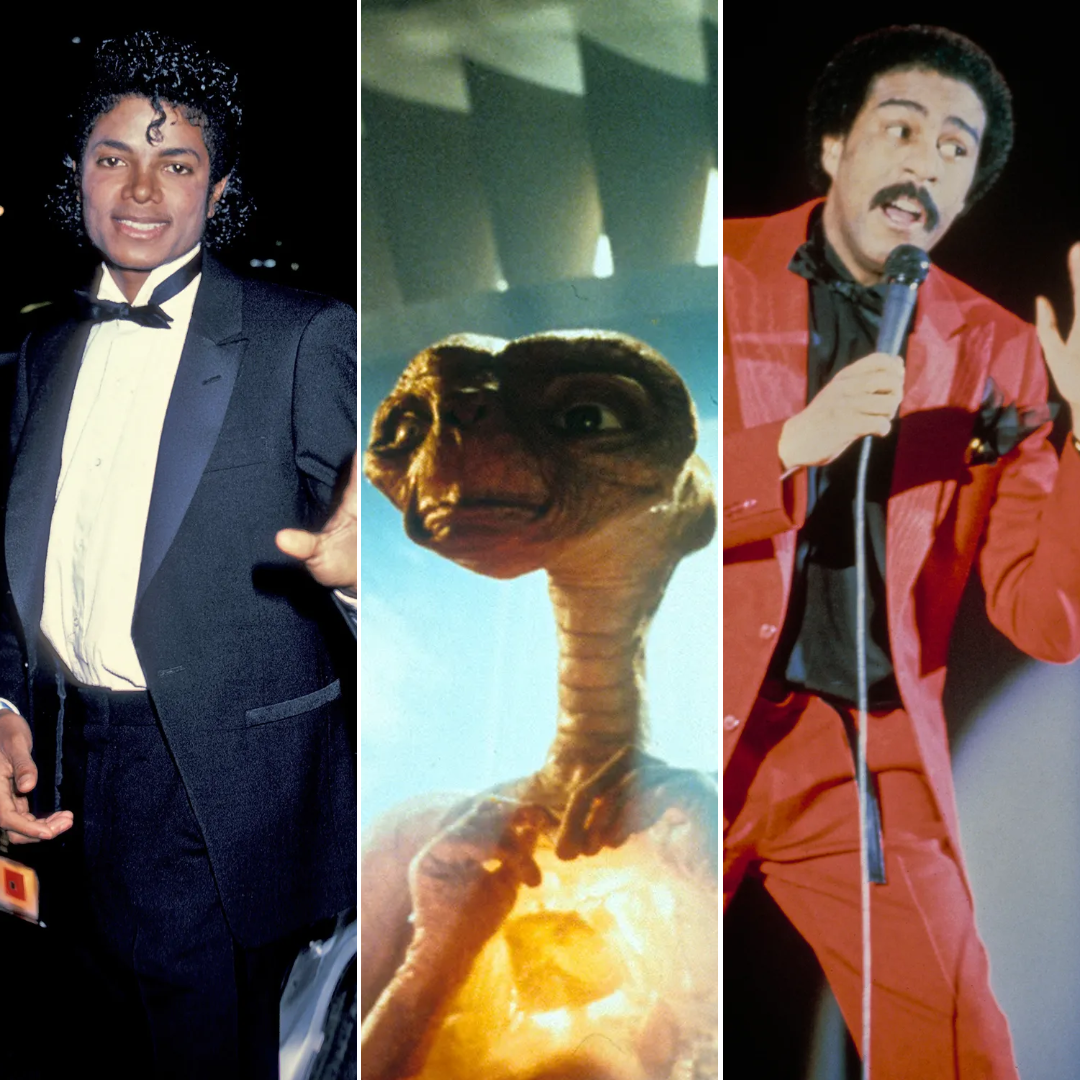
Before E.T. the Extra-Terrestrial became one of the most beloved movies of the 1980s, Universal had a question it could not answer from inside the studio.
Would the movie connect with Black audiences?
Steven Spielberg’s film had an emotional story that seemed universal on paper: a lonely boy, a frightened alien, a secret friendship and the pain of saying goodbye.
But according to former Universal executive Thom Mount, there was concern before release about whether audiences of color would feel the same connection to a movie whose principal cast was overwhelmingly white.
Spielberg wanted feedback.
So Universal quietly arranged something unusual.
Before most of the public had seen E.T., Michael Jackson and Richard Pryor were invited to a private screening.
The two stars were not brought in for publicity.
They were there to answer a question the studio considered important.
And according to Mount’s newly revealed account, their reaction gave Universal exactly the reassurance it was looking for.
Universal Wanted to Know Whether E.T. Could Cross Demographic Lines
The story appears in Max Evry’s forthcoming book, Stranded on Earth: How Night Skies Became E.T. the Extra-Terrestrial, which traces the unusual path that led to Spielberg’s 1982 classic.
In a new interview for the book, Mount recalled that the studio understood it had something emotionally powerful in E.T.
But executives were still thinking about who would respond to it.
That concern was not trivial.
A major studio release needed to reach far beyond one demographic if it was going to become the kind of phenomenon Universal hoped for.
Mount says Spielberg specifically wanted feedback from people of color.
That led to the idea of showing the movie privately to two of the most famous Black entertainers in America.
Richard Pryor was already a major comedy star with ties to Universal.
Michael Jackson was becoming one of the defining figures in popular music.
Both were invited to watch Spielberg’s unreleased film.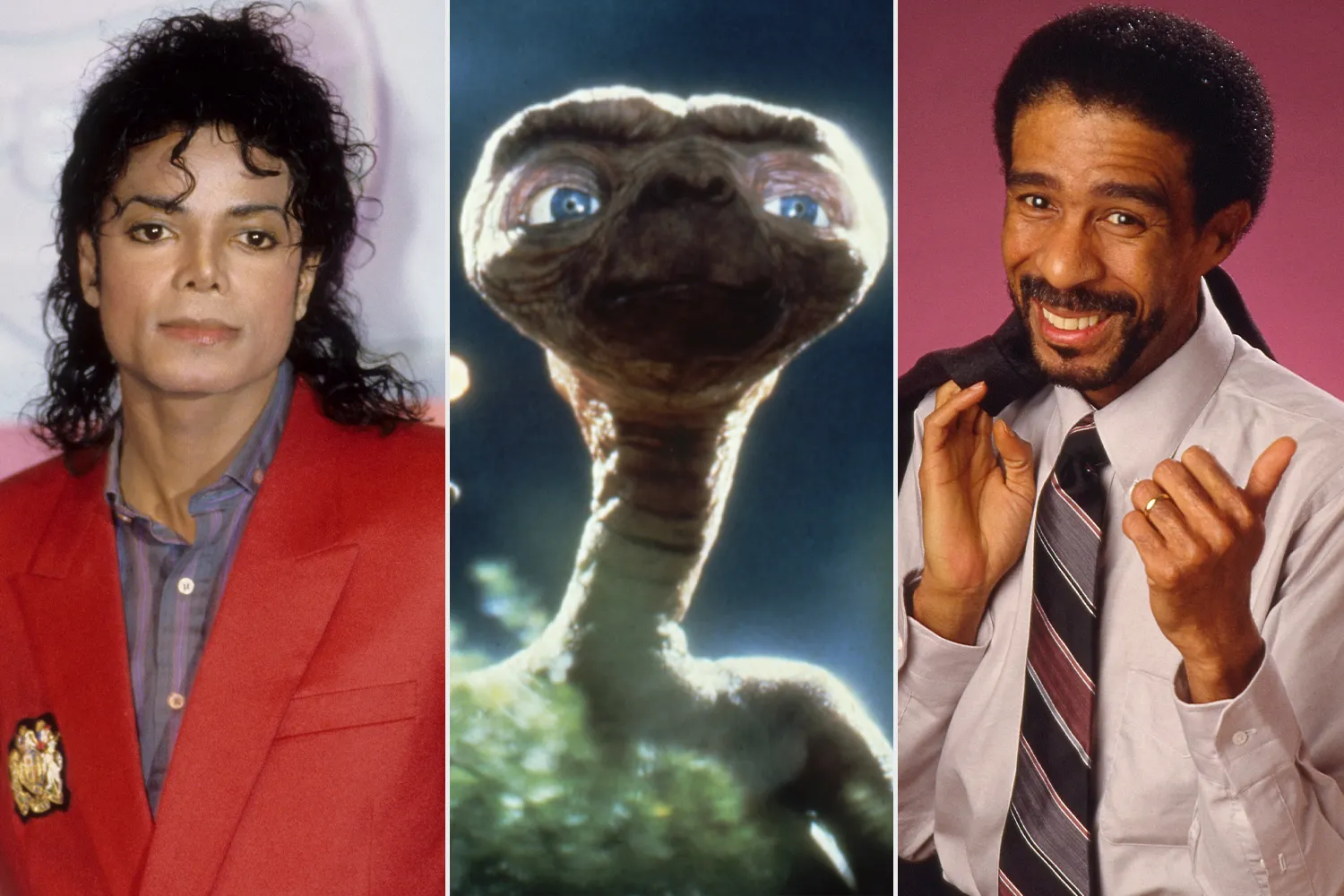
Richard Pryor and Michael Jackson Saw the Movie Before the Public
It is difficult now to imagine E.T. as an uncertain product.
The image of Elliott and E.T. flying across the moon became one of the most recognizable images in movie history.
The phrase “E.T. phone home” entered popular culture.
The film became a family classic that generations of viewers would revisit.
But none of that was guaranteed when Pryor and Jackson sat down for the private screening.
At that moment, they were simply watching a movie audiences had not yet had the chance to judge.
According to Mount, both men connected with it immediately.
They loved the film.
More importantly, both reportedly became emotional while watching it.
That response mattered to the studio because it suggested that the story was doing exactly what Spielberg hoped it would do.
The emotional core was reaching beyond the racial makeup of the cast.
The loneliness, friendship and separation at the center of the movie were not being experienced as belonging to one particular group of viewers.
The reaction from Jackson and Pryor suggested that E.T. could connect much more broadly.
For Universal, that was reassuring.
Pryor Did More Than Simply Like the Movie
Richard Pryor’s reaction did not remain private.
After seeing the movie, he began speaking positively about it in public.
That mattered.
Pryor was one of the most influential comedians and performers in America.
He had credibility with audiences that no studio marketing campaign could simply manufacture.
If he genuinely loved E.T., that was more powerful than a carefully written advertisement claiming the movie was for everyone.
His enthusiasm helped reinforce the idea that Spielberg’s film had a reach far beyond what Universal may initially have feared.
It is another example of how movies can develop momentum before release in ways the public rarely sees.
Studios hold test screenings.
Executives collect reactions.
Filmmakers invite trusted people to watch early cuts.
Sometimes those reactions influence editing.
Sometimes they influence marketing.
And sometimes, as in this case, they simply reassure everyone involved that the movie’s emotional language is working.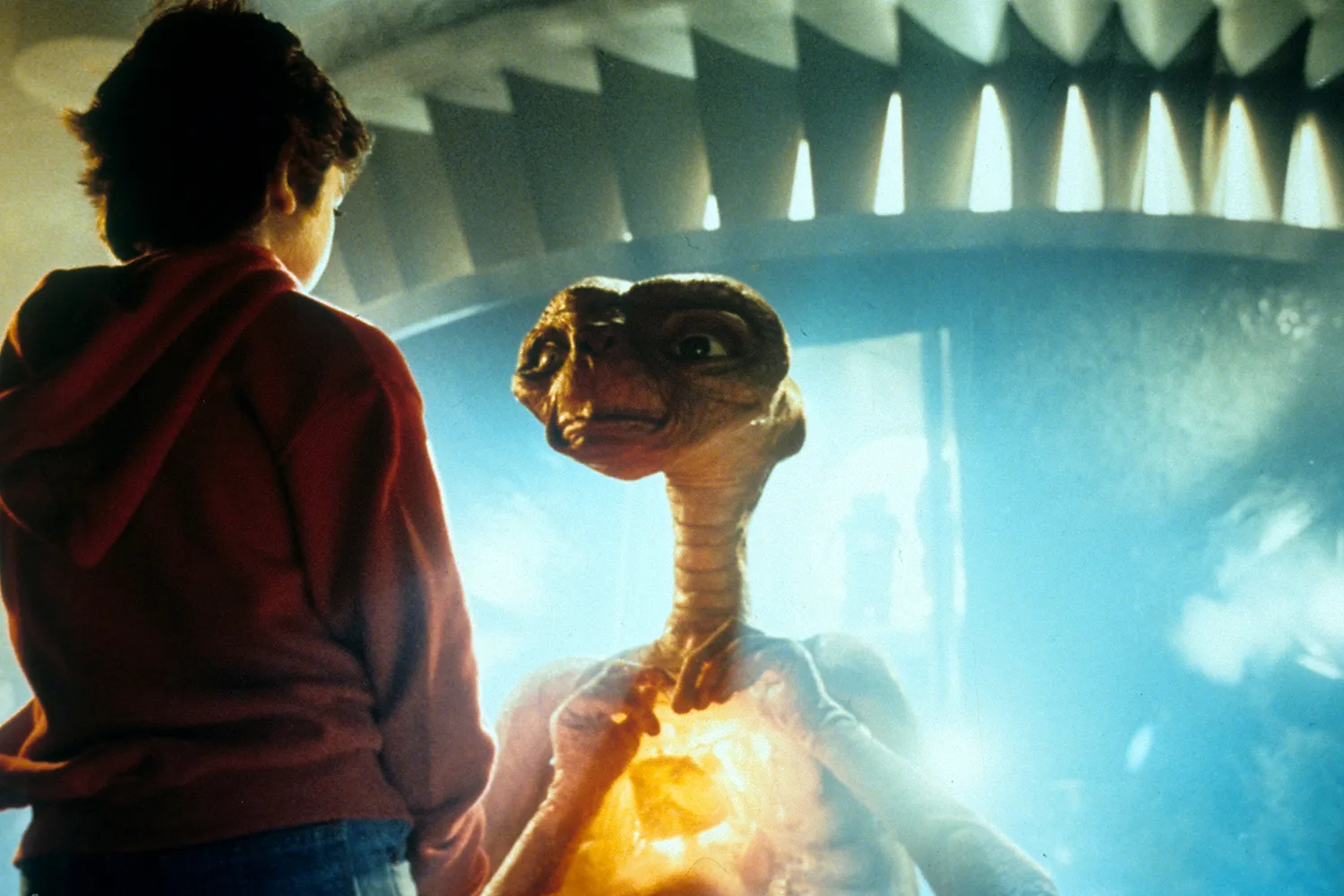
Michael Jackson’s Connection to E.T. Did Not End There
Jackson’s presence at the screening became even more interesting because his relationship with E.T. later continued in a much more public way.
He went on to narrate an E.T. storybook recording tied to the film.
The project combined Jackson’s narration with music and material from the movie, creating a strange but memorable intersection between two of the biggest cultural forces of the early 1980s.
The recording eventually earned Jackson a Grammy.
That later collaboration makes the private screening feel almost like the beginning of a relationship between Jackson and the movie.
At first, Universal simply wanted to know what he thought.
Later, his voice became officially connected to the story.
Given Jackson’s own fascination with childhood, fantasy and emotional storytelling, it is not hard to understand why E.T. may have affected him so strongly.
The movie is built around a child who feels isolated and misunderstood, then forms a bond with another being who is even more alone.
That emotional structure was central to the film’s appeal.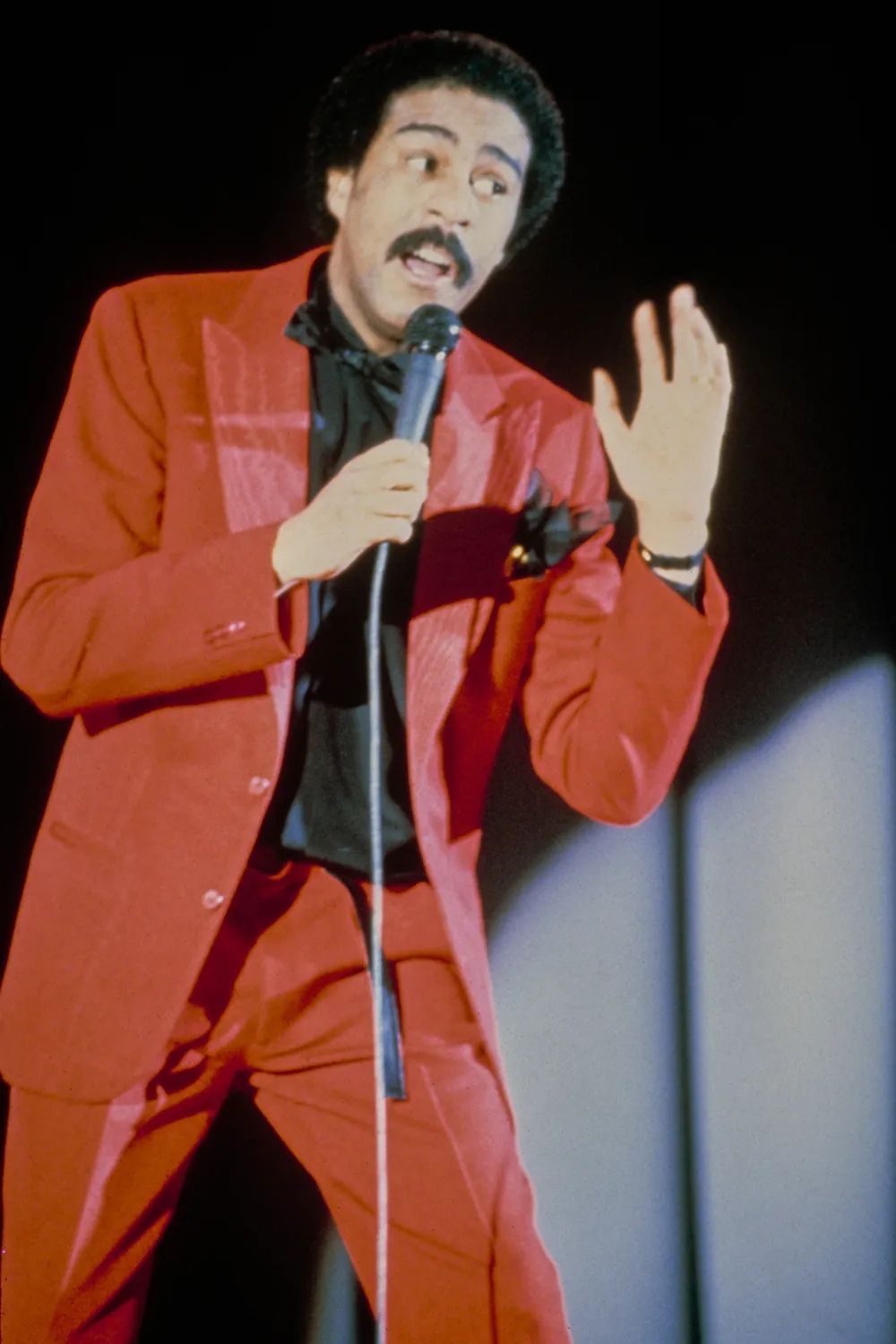
Spielberg’s Instinct Was That the Story Needed to Feel Universal
The revelation also says something about Spielberg’s instincts as a filmmaker.
He was not satisfied simply assuming that because he found the story emotional, everyone else would.
He wanted to know whether it reached people outside the immediate world represented on screen.
That kind of question is especially interesting in retrospect because E.T. ultimately became one of the clearest examples of a movie crossing demographic boundaries.
Children loved it.
Adults cried at it.
Families watched it together.
Audiences around the world understood Elliott’s fear of losing the friend he had just found.
The movie did not need a complicated explanation.
Its emotional mechanics were simple.
A boy is lonely.
He meets someone who needs him.
They become inseparable.
Then he realizes he has to let that friend go.
That structure proved powerful enough to work across age, nationality and race.
The private reaction from Pryor and Jackson gave Universal an early indication of that.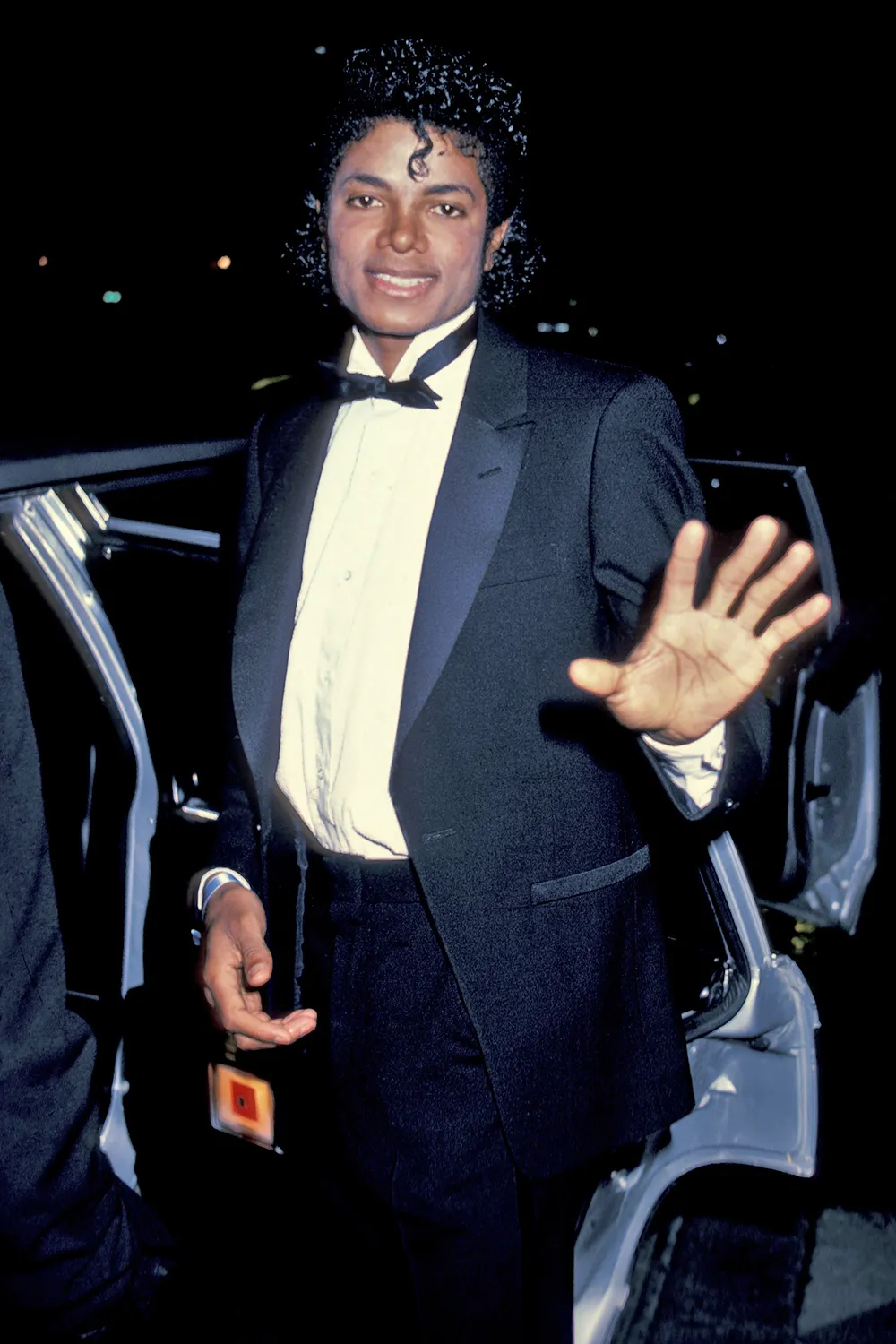
The Studio’s Worry Looks Very Different in Hindsight
Today, the idea that Universal worried about whether E.T. could find a wide audience may seem almost impossible.
The movie became one of the defining box-office successes of its era.
It remained in theaters for an extraordinary period.
It was re-released.
It became merchandise.
It became part of theme parks.
It became part of childhood for millions of people.
But before all of that happened, Universal was still trying to understand what it had.
That is what makes Mount’s recollection so fascinating.
Fans know what happened after release.
They know the phenomenon.
They know the famous bicycle flight.
They know the glowing finger.
They know the goodbye.
What they did not know was that before the public got its chance to react, two other icons of the era had already been quietly asked to help answer one of the studio’s biggest questions.
Could E.T. reach everyone?
Richard Pryor and Michael Jackson watched the movie.
Both reportedly became emotional.
Both loved it.
And Universal came away feeling much more confident that Spielberg’s story could travel far beyond the faces appearing on the screen.
Forty-four years later, that concern almost feels quaint.
But before E.T. became universal, the studio still needed proof that it could be.
Michael Jackson and Richard Pryor were among the first people asked to provide it.