A Mother Told Her Children the Injections Would Prevent Jet Lag. An Inquest Has Now Revealed What Was Really Happening

Three children in Oxfordshire believed they were preparing to leave the country for a holiday.
Then their mother told them they needed injections.
The explanation she gave was simple enough for a child to understand: the injections, she said, would help prevent jet lag.
But an inquest held nearly a year later has reconstructed a far more disturbing sequence of events.
The 49-year-old mother, who cannot be publicly identified for legal reasons, had not been preparing the children for an ordinary trip abroad. Investigators told Oxford Coroner’s Court that the injections contained insulin, a medication she had not been prescribed by her general practitioner.
Two of the children ultimately survived.
Their 9-year-old sister did not.
The mother died about a month later, and a coroner has now formally ruled her death a suicide.
The hearing also revealed evidence suggesting the events at the family’s home in Islip, Oxfordshire, had not been spontaneous.
Investigators traced the insulin to purchases made months earlier and described several steps they believe were taken to make it harder for anyone outside the house to realize something was wrong.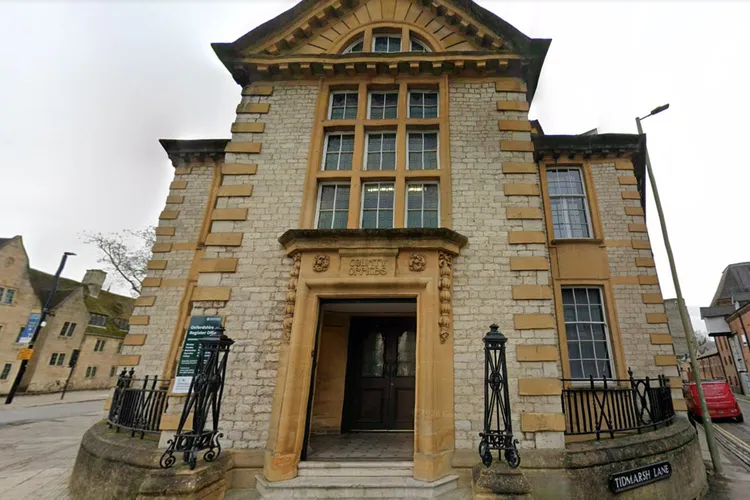
The Children Thought They Were Going on Holiday
The incident occurred on Oct. 21, 2025.
At the time, the mother was involved in court proceedings with her former husband concerning arrangements for their children.
Detective Sergeant Michael Neath told the inquest that the children were with their mother under the impression that they were going abroad.
It was within that supposed holiday context that she introduced the injections.
According to evidence presented at the hearing, she told the children they were intended to prevent jet lag.
That explanation concealed what investigators later determined the substance actually was.
The mother was not diabetic and had not been prescribed insulin by her GP, the inquest heard. Investigators would later discover evidence showing that insulin connected to the incident had been obtained outside Britain months before the events at the house.
Investigators Traced Purchases Back to Malaysia
Police examining the case did not stop with what was found inside the home.
They looked at where the medication had come from.
Analysis indicated that the insulin was from a batch distributed in Malaysia.
Investigators also recovered three receipts showing purchases from pharmacies there during a one-week period in August 2025.
That was roughly two months before the incident in Islip.
Detective Sergeant Neath told the coroner that the evidence suggested planning had begun as early as August.
That timeline became an important part of the inquest because it placed the acquisition of the medication well before the night the children believed they were preparing for a holiday.
The hearing was not a criminal trial. Under the British coronial system, an inquest determines facts surrounding a death rather than criminal guilt or civil liability.
But the evidence allowed the coroner to reconstruct what investigators believed had happened leading up to the mother’s death.
The Court Heard About Steps That May Have Delayed Discovery
Some of the most unsettling evidence concerned what happened around the house before anyone raised the alarm.
The inquest heard that the curtains had remained closed for an extended period.
A neighbor also said the mother had recently asked for the return of a house key that had previously been left with them.
Detective Sergeant Neath testified that the mother moved her vehicle shortly before the incident and said investigators believed these actions were intended to delay discovery of what was happening inside the home.
The court also heard that an older child’s phone was found underneath a pillow after their mother had taken it away, which police interpreted as an effort to prevent the child from raising the alarm.
These details gave investigators a very different picture from the seemingly ordinary story the children had been told about going away.
There was no simple preparation for a family vacation.
Instead, police believed the evidence pointed toward a sequence that had been planned in advance.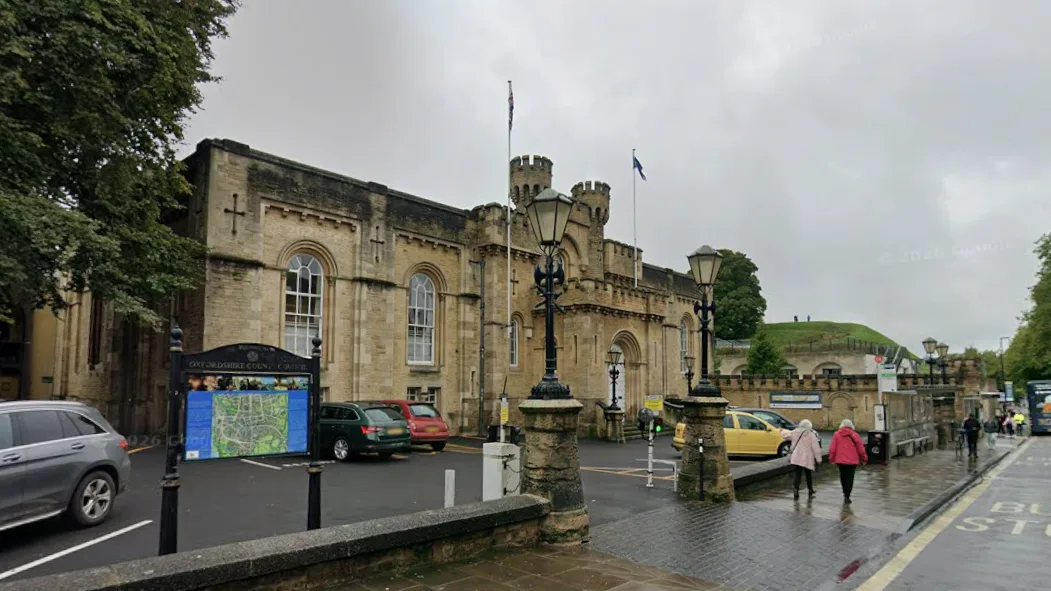
Two Children Made It to a Neighbor
Eventually, the situation inside the house was discovered because two of the children were able to get out and seek help.
A neighbor told the inquest that they heard banging at the door while upstairs.
When they answered, they found two children outside, barefoot and dressed in pajamas.
The older child appeared extremely distressed.
The neighbor then went to the family home, discovered the mother and another child inside and called emergency services.
The surviving children were taken for hospital treatment.
Their 9-year-old sister later died.
The mother was also hospitalized and remained at John Radcliffe Hospital until her death on Nov. 20, 2025.
The Inquest Examined the Custody Dispute — But Also Heard She Had Given No Warning
The hearing explored the mother’s emotional condition in the months leading up to the incident.
Evidence showed that she had been under considerable stress connected with proceedings over the children’s living arrangements.
She had previously been diagnosed with mixed anxiety and depressive disorder, according to reporting from the inquest.
But the evidence also contained an important contradiction.
People involved in her care did not report that she had signaled an intention to harm her children.
A psychotherapist told the hearing that although the woman was focused on the family court case and wanted to prevail, she had not given an indication that she planned violence.
That gap between what people around her understood and what investigators later reconstructed made the events particularly difficult to comprehend.
The Coroner Has Now Ruled on the Mother’s Death
At the conclusion of the inquest, Coroner Nicholas Graham formally determined that the mother had died by suicide.
He found that issues surrounding access to her children formed part of the context surrounding her state of mind.
The ruling concerned the mother’s death; an inquest does not function as a trial assigning criminal responsibility for everything that occurred inside the home.
For the surviving family, however, the legal reconstruction has now placed a timeline around an event that began with an explanation designed to sound harmless.
The children thought they were preparing to travel.
They were told the injections would prevent jet lag.
Months later, investigators found receipts showing that the medication had been acquired abroad well before that night.
They found evidence they believed suggested efforts to delay discovery.
Two children managed to escape and reach a neighbor.
Their younger sister did not survive.
And almost a year later, an Oxfordshire inquest has shown just how far the reality inside that house was from the holiday the children thought they were about to take.