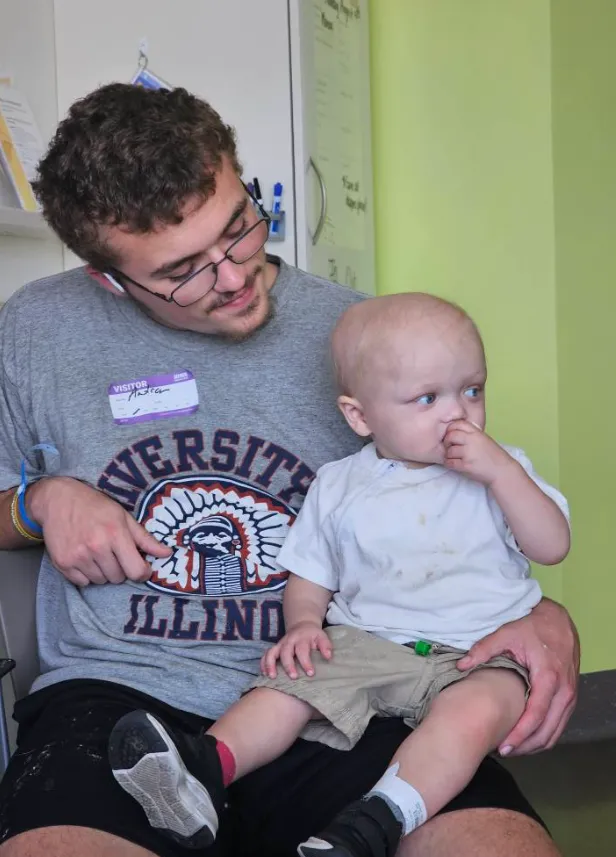
Young Patient Faces Chemotherapy With Strength as Family Prepares for Critical Phase of Treatment
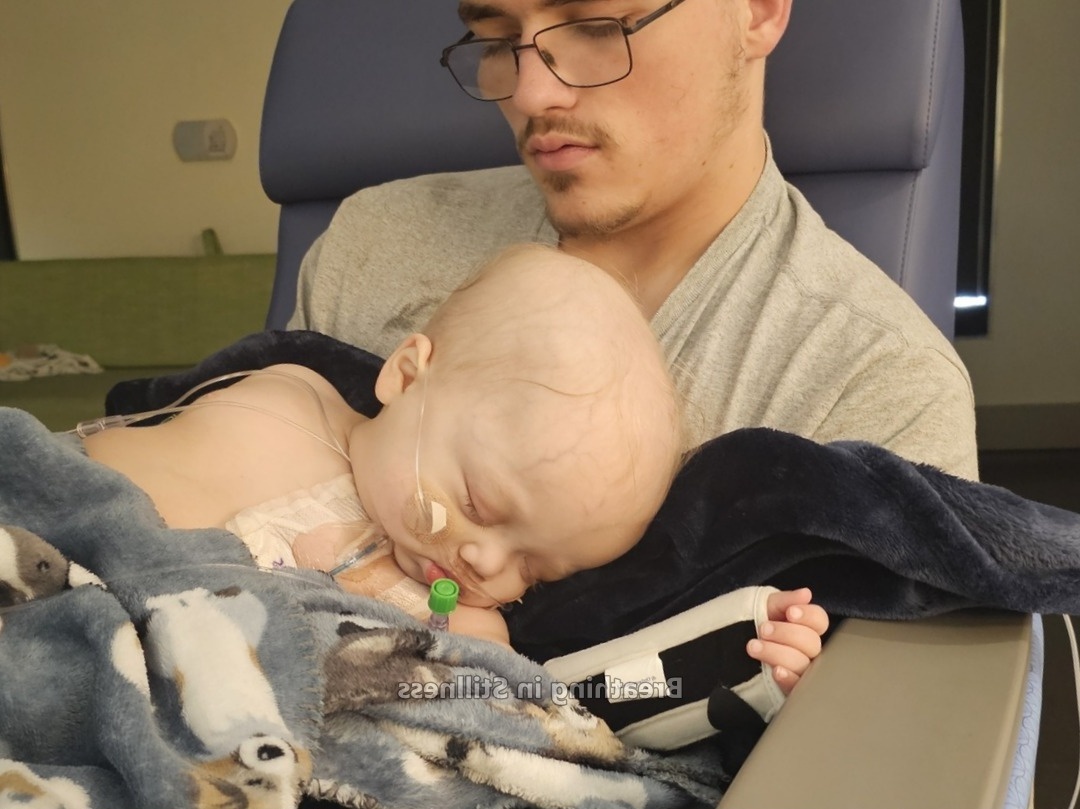
Little Marcus, a twenty-month-old patient undergoing treatment for a serious illness, has captured the attention and compassion of many as he begins another round of chemotherapy. His family, alongside hospital staff, continues to navigate the difficult routine of nausea, exhaustion, and emotional strain that accompanies treatment.
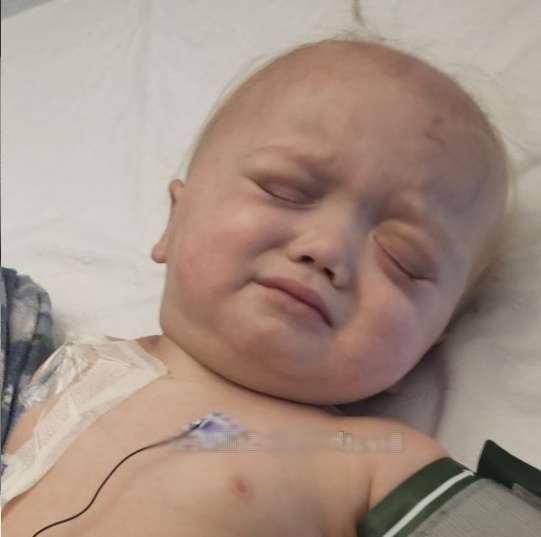
According to his parents, Marcus first showed signs of discomfort early one morning when he refused food and later became sick. This has happened before, and although the family has learned to expect it, the emotional impact remains the same each time.
Throughout the day, nurses stepped in to provide care, changing his gown, soothing him, and preparing him for what they described as his final scheduled bath before chemotherapy resumed. Marcus often reacts with discomfort during these moments, but his caregivers say he remains cooperative, a sign that even at his young age, he recognizes the importance of each step.
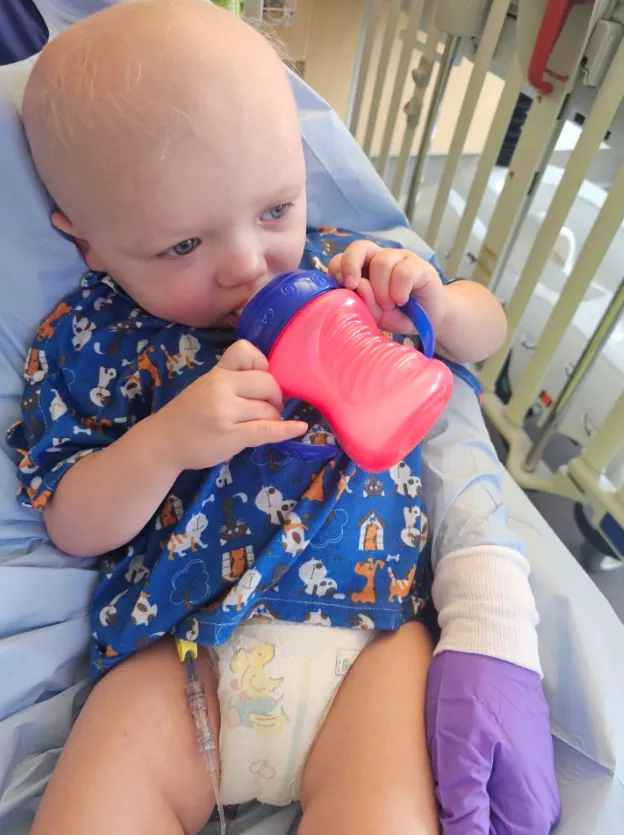
As part of his preparation, Marcus received premedication meant to reduce nausea and ease upcoming side effects. His parents explained that while they are not alarmed by his symptoms, they continue to find it difficult to watch him struggle, especially during bouts of vomiting or fatigue.
Later that evening, the family hoped Marcus would be awake for a special moment: the well-known tradition in which spectators at a local stadium turn toward the children’s hospital and wave to the young patients watching from the windows. Some family members planned to attend the game, hoping Marcus would be alert enough to return the gesture.
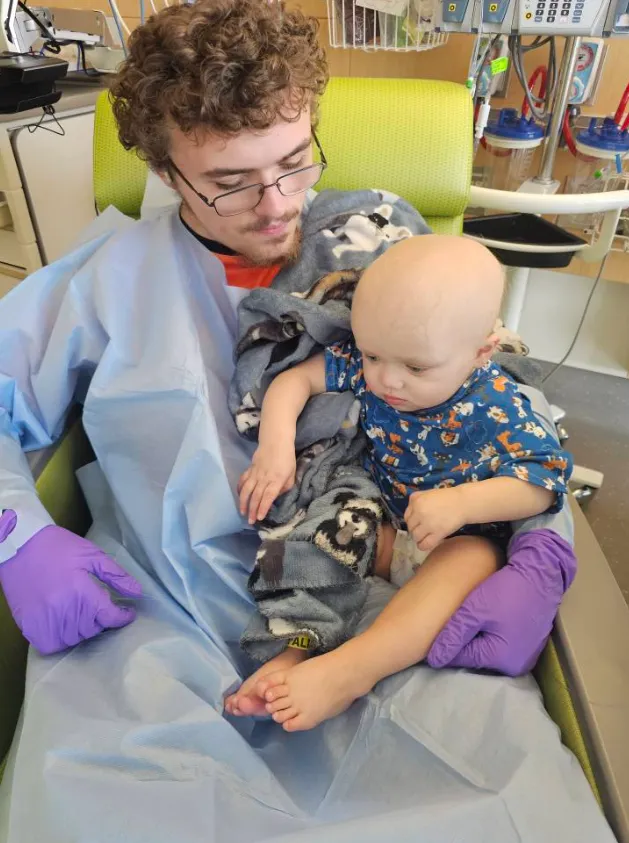
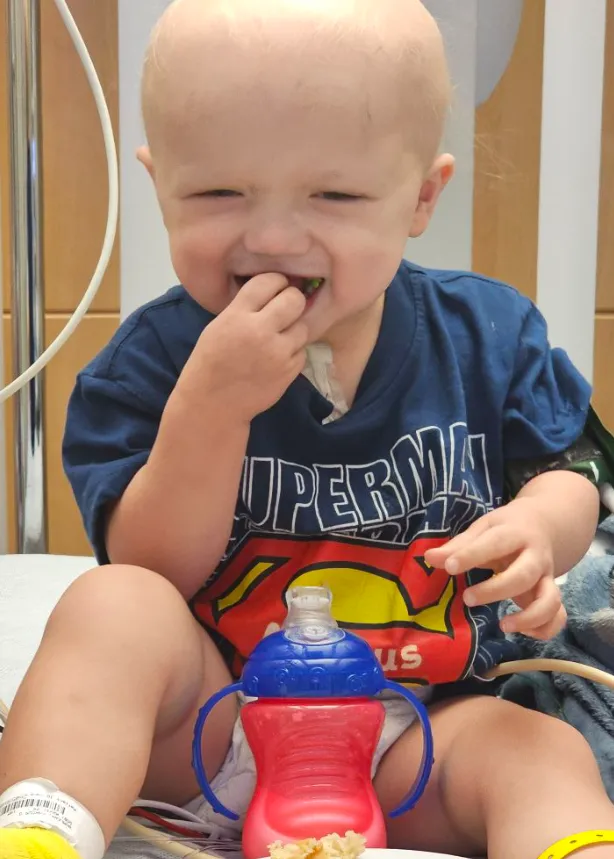
Despite the challenges, Marcus recently enjoyed a brief moment of comfort. On a better day, he spent time eating, sleeping, and seeking closeness — often falling asleep only when held. Coincidentally, it was also his 20-month milestone. That same day, the hospital cafeteria served beef tacos, a favorite food of his, offering him a small moment of joy.
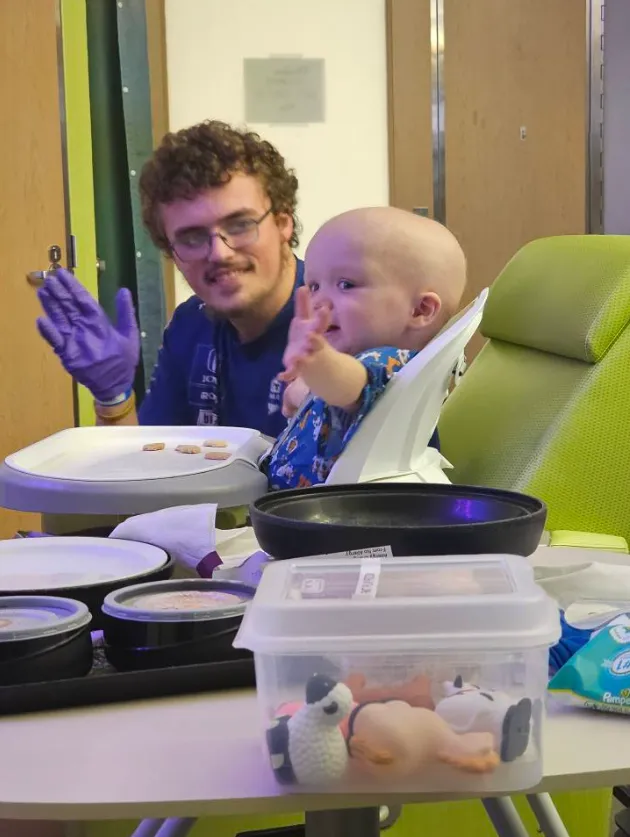
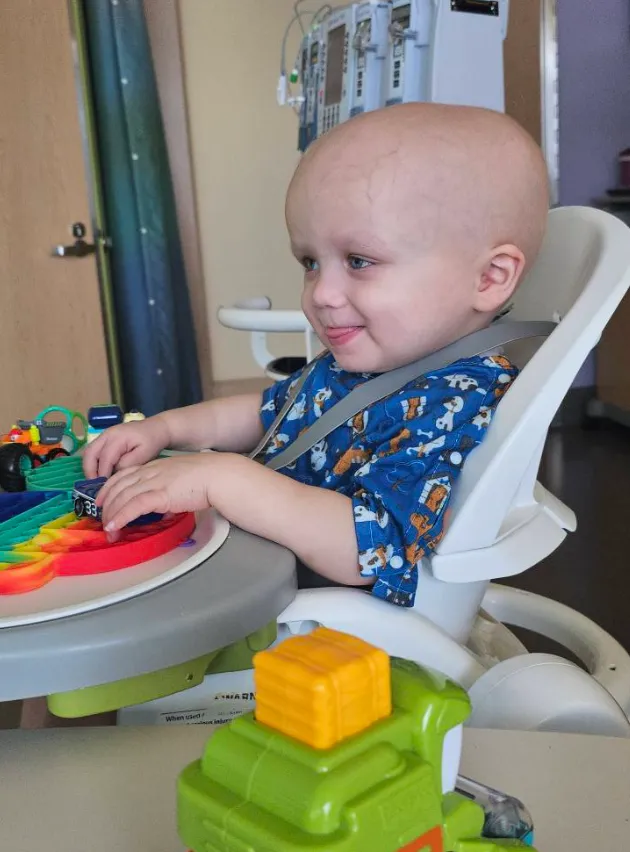
During treatment sessions, Marcus must remain in his high chair for safety. To keep him entertained, his parents set up his toys, placed a small table nearby, and played his favorite movie, Cars. He is known to mimic scenes from the film, and when he sees a character make a funny face, he imitates it with quiet laughter. These small reactions, his family says, help them endure the more painful moments.
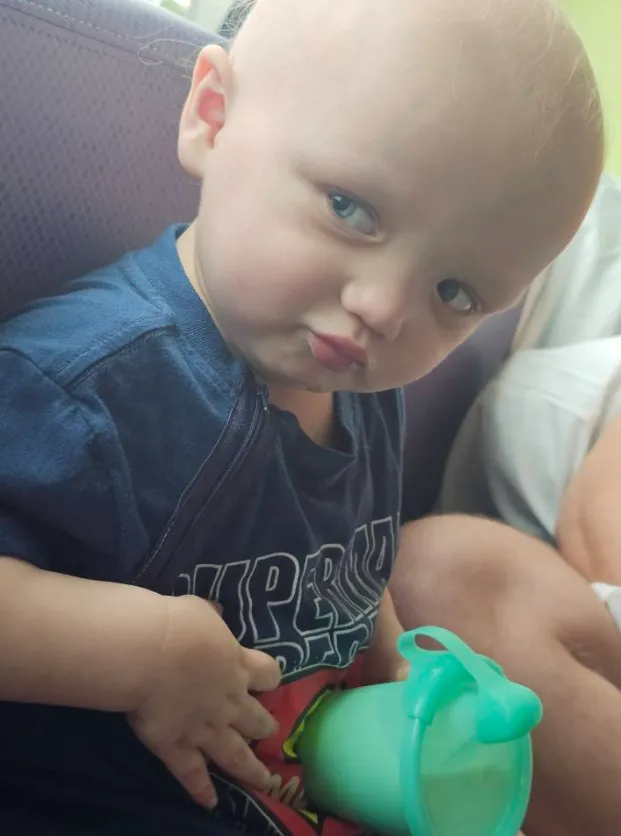
As chemotherapy progresses, Marcus’s parents have begun to notice his soft baby hair falling out — a visible reminder of the process happening within his body. They acknowledge that this is temporary, yet the emotional weight remains heavy.
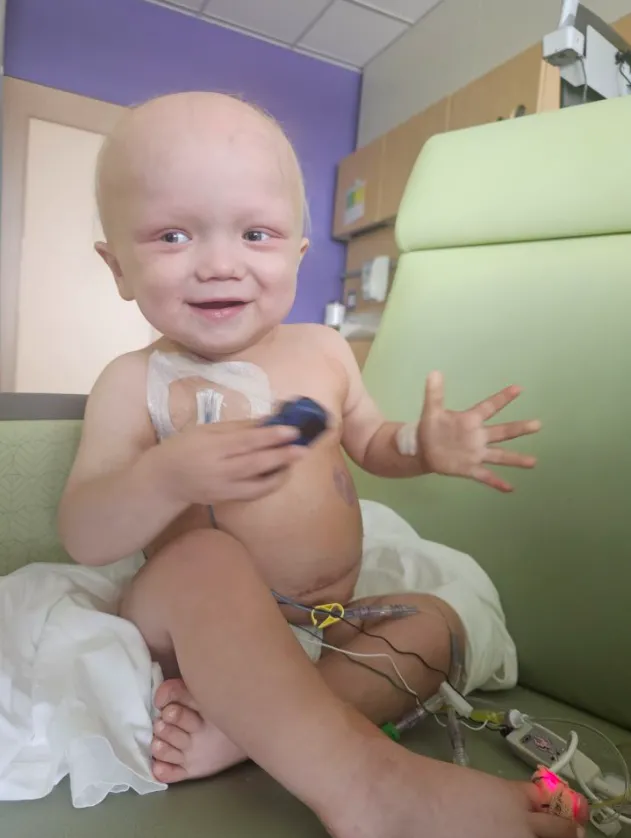
Over the next several days, his medical team expects his blood counts to drop, a normal response to treatment. His parents remain prepared for additional side effects, continuing to take each day as it comes. Despite the strain, they found relief when Marcus slept through the night with only minor discomfort.
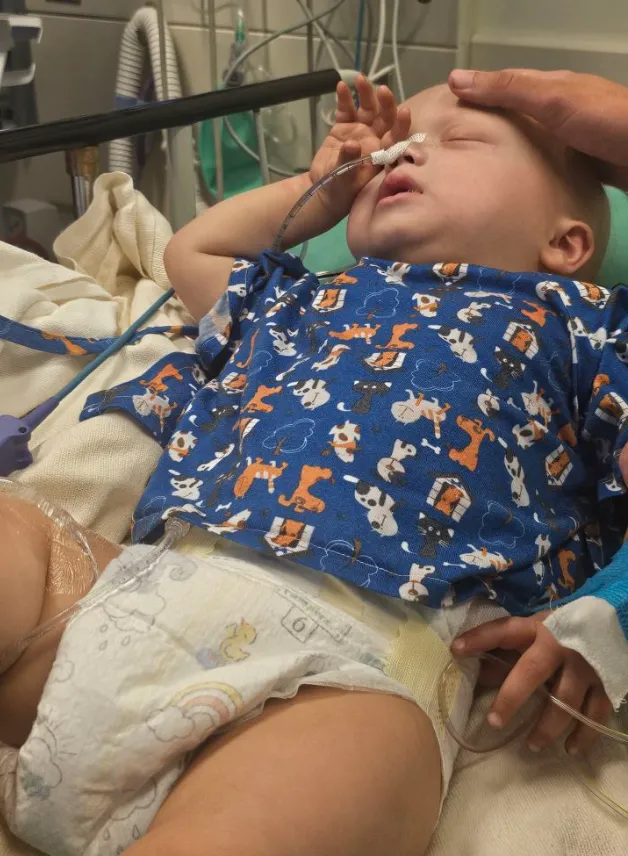
Today marks the last dose of his first chemotherapy drug. His family was told that within twenty-four hours, they will be able to hold him again without wearing protective coverings — a moment his mother described as deeply meaningful after days of separation.
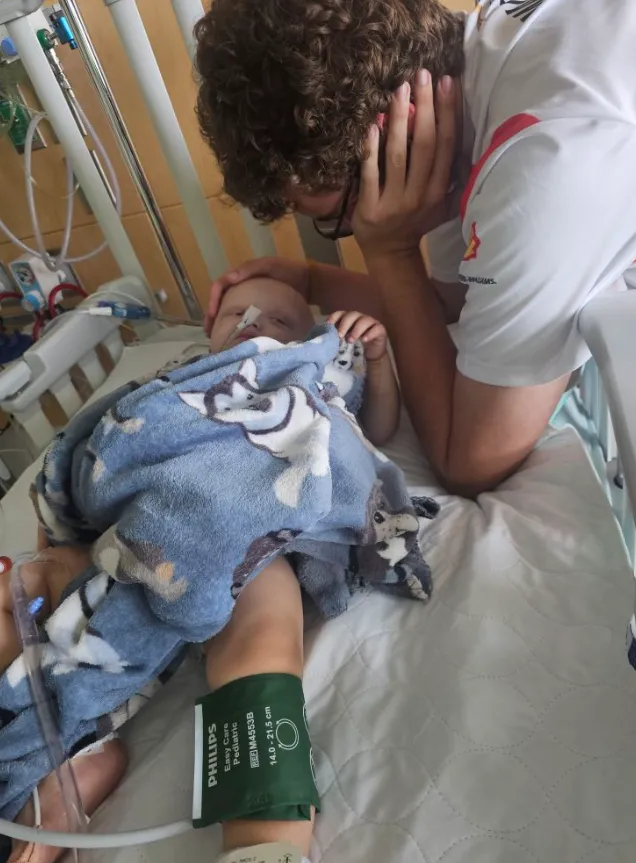
Later in the day, Marcus will begin another chemotherapy medication, administered daily over a four-day period. In the coming week, he will receive a PICC line, a device that allows doctors to deliver treatment more safely and efficiently. After that, he will move toward a bone marrow transplant, described by doctors as a major step in his overall treatment plan.
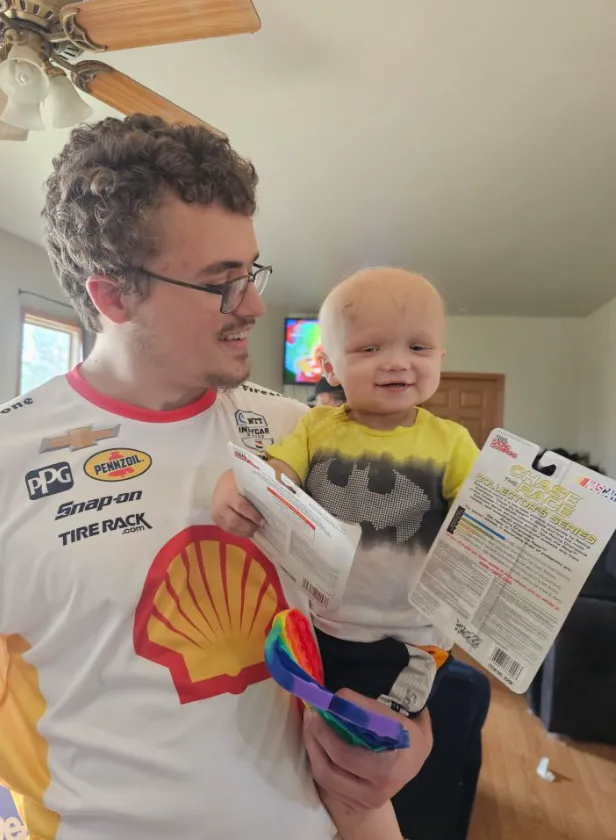
To make the hospital environment more comforting, Marcus’s parents rearranged the room, brought in a larger television, and created a space that feels more like home. When his favorite movie plays, Marcus claps, smiles, and points at the characters, filling the room with a sense of warmth that temporarily eases the stress of treatment.
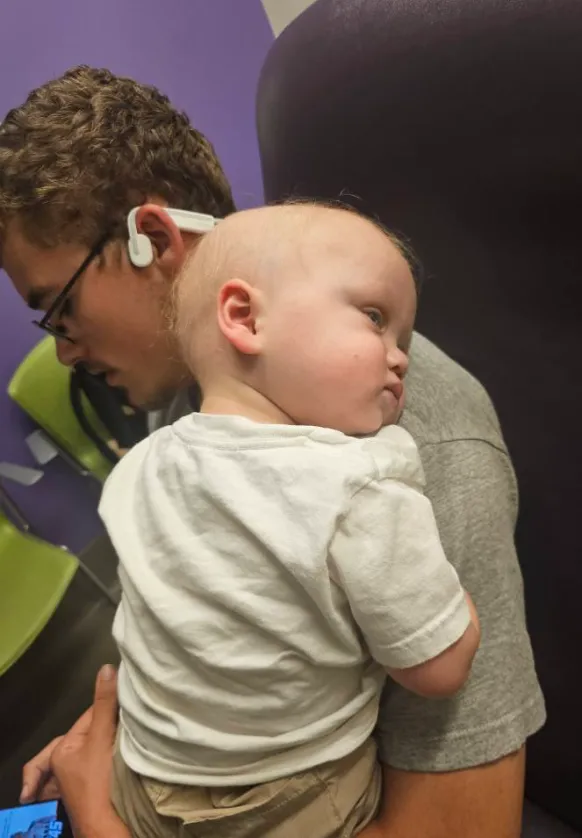
His days continue to alternate between challenges and small victories. Some mornings begin with energy; others start with nausea or tears. His parents balance fear with hope, often finding strength in small moments — a giggle, a playful sound, or a simple smile.
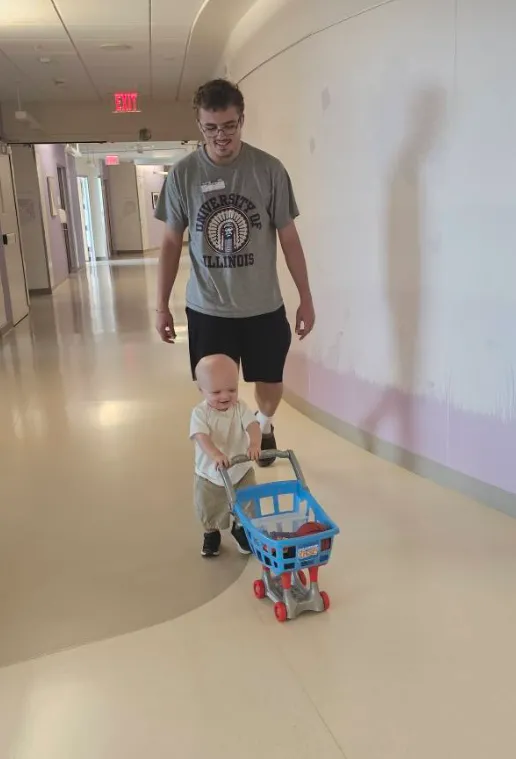
Tonight, thousands of people in a stadium will turn toward the children’s hospital and wave. And somewhere inside, Marcus may raise his hand in return — a small gesture filled with determination, resilience, and hope for the days ahead.