THREE DAYS OLD AND STILL WITH HIS EYES CLOSED, BABY RUDY WAS TOLD IT WAS “NORMAL” UNTIL A HEARTBREAKING DIAGNOSIS REVEALED THE REAL REASON
MIDWIVES at first told Beth Fair-Lawton that it was “normal” for babies not to open their eyes after a C-section delivery.
But having had her first son by C-section too, she was not convinced. She pushed for tests, never expecting to learn that her newborn had an incredibly rare condition.
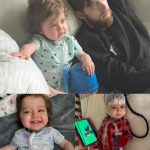
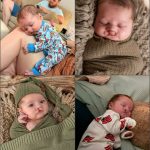
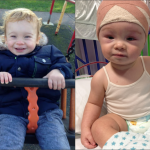
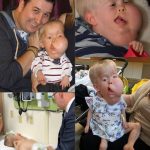
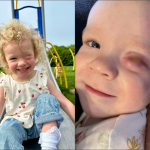
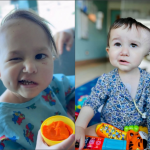
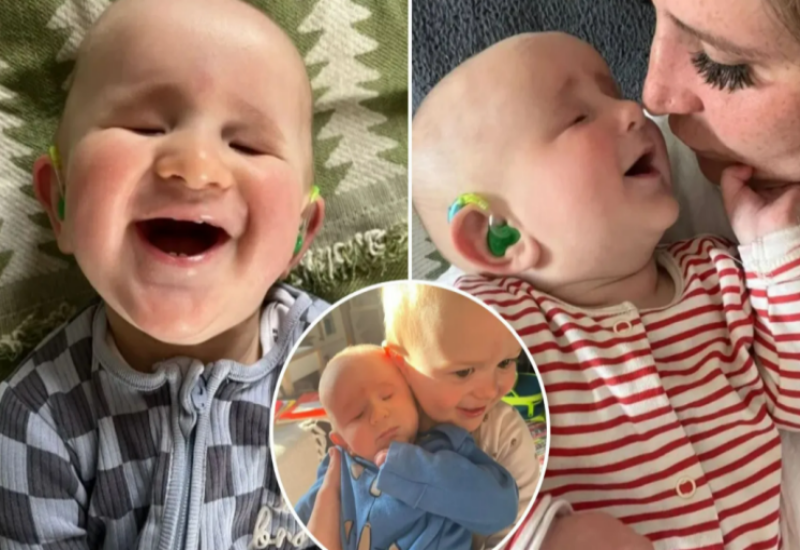
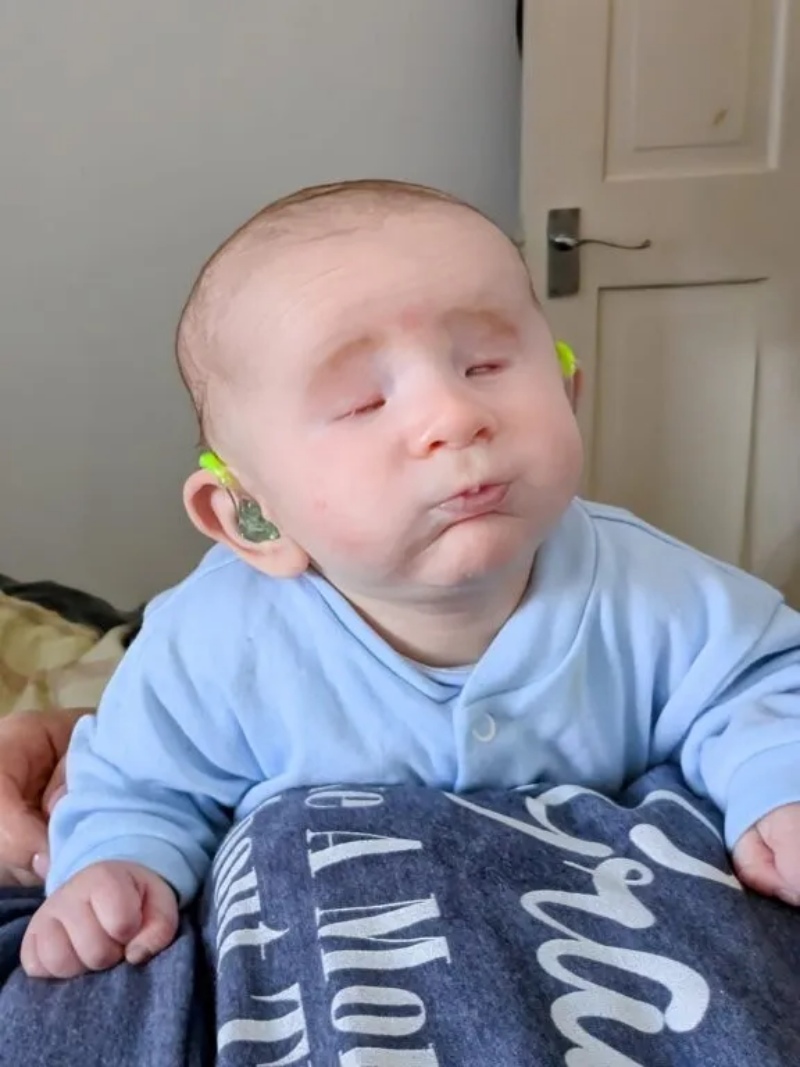
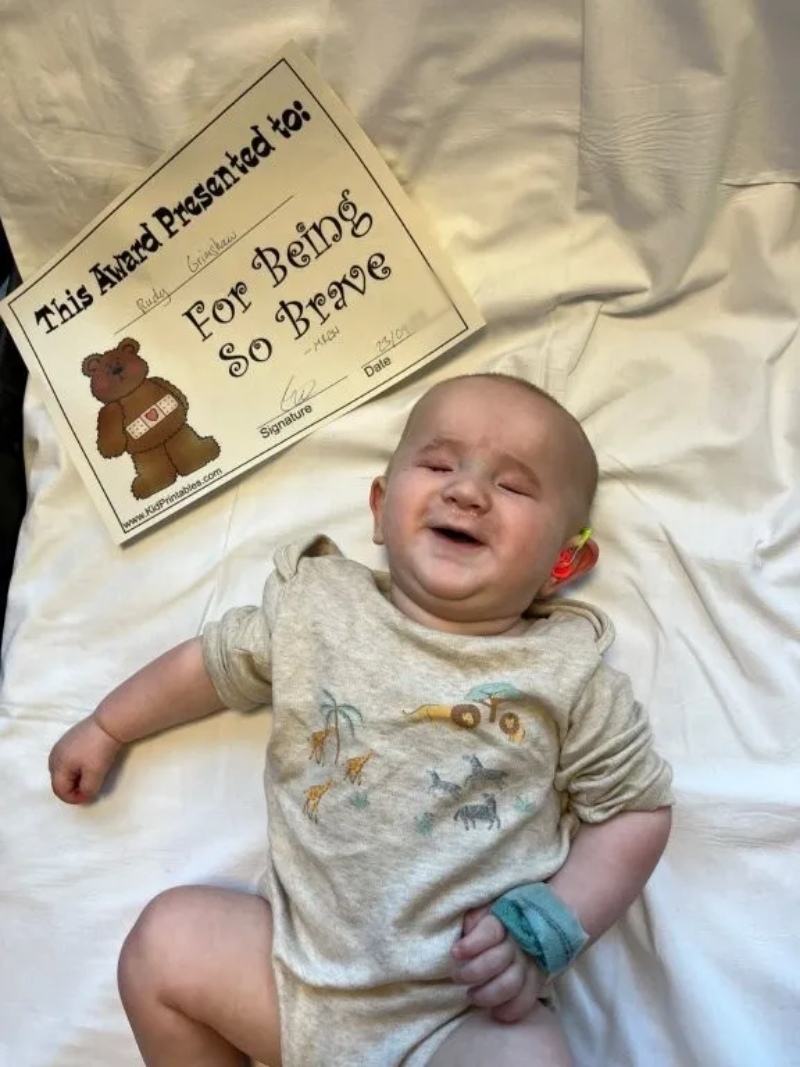
Baby Rudy, now 16 months old, was born with bilateral anophthalmia, meaning he developed without eyes or optic nerves. Despite his challenges, he is thriving in his own way, using his hands to feel and recognise his family’s faces.
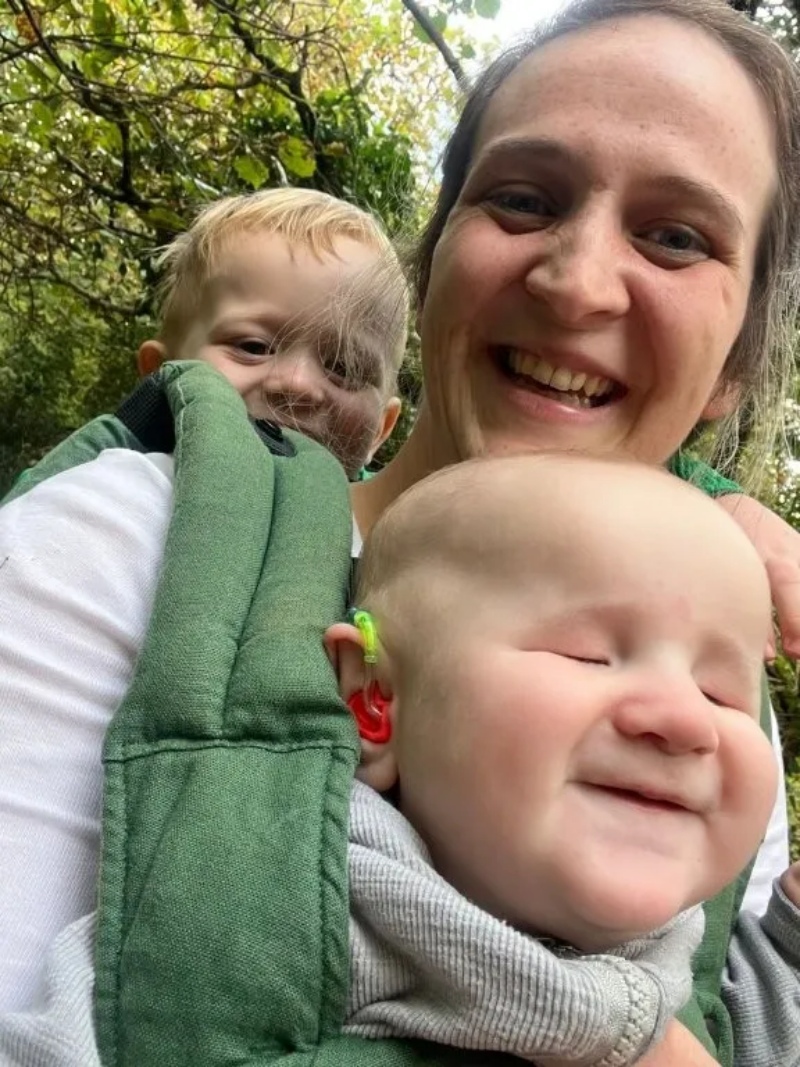
Mum-of-two Beth, 31, says: “I only wish other adults could be so understanding. Some people have been very insensitive.
“It took three days for the midwives to take my concerns seriously.
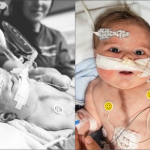
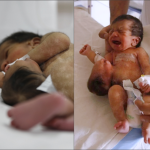
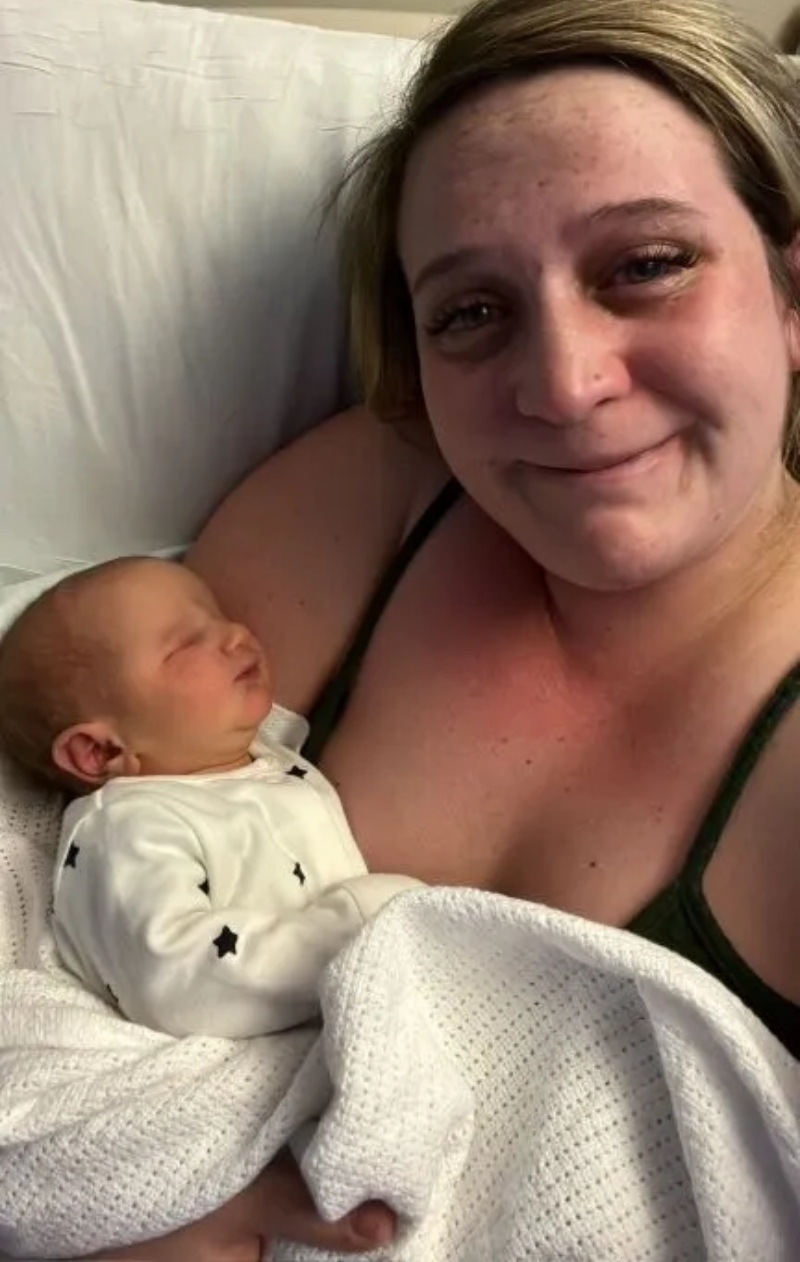
“I have a photo of the moment I was told about Rudy’s condition. Even though it is difficult to look at, it is part of our journey and reminds me how far we have come.
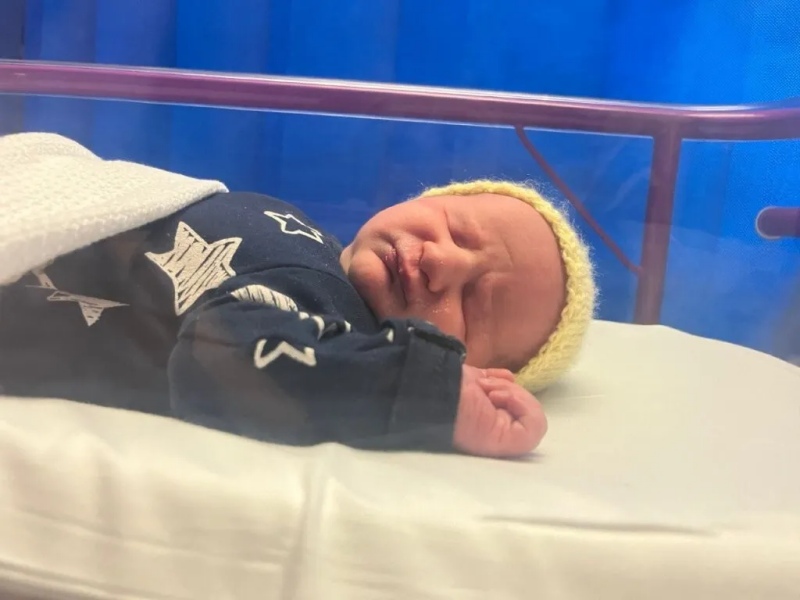
“Rudy is a happy, cheeky little boy, always smiling. He loves to clap and brings us so much joy.”
Beth, who has Jax and Rudy with Andrew Grimshaw, 49, a logistics manager, had a normal pregnancy and was booked for an elective C-section on January 2, 2025.
Post-natal checks initially showed Rudy was healthy, but as the hours passed, Beth began wondering why he wasn’t opening his eyes.
She says: “The midwife told me it was normal for C-section babies not to open their eyes, but Jax, my older son, was C-section too.
“I had a bad feeling. I asked several times for him to be checked but was told he was fine.”
On day three, Beth finally persuaded a midwife to take a closer look.
“After trying to open Rudy’s eyes herself, she brought another midwife, then a NICU nurse and a consultant.
“My heart dropped. I knew what was coming.”
Beth was then told Rudy likely had no eyes or very small eyes. Further assessments confirmed bilateral anophthalmia, an extremely rare condition affecting the development of the eyes.
Beth spent her 30th birthday in hospital with her son, who was allowed home 19 days later.
Genetic testing showed Rudy has a mutation in one of his SOX2 genes, a very rare change estimated to occur in around one in 100,000 to one in 250,000 cases.
The mutation is de novo, meaning it occurred for the first time in Rudy and was not inherited from his parents.
Rudy also has moderate hearing loss and difficulties with his swallow reflex, so he currently requires tube feeding.
“I think we were in shock and denial,” Beth says.
“The usual worries you have for a newborn just spiralled. Life became a series of hospital and therapy appointments.
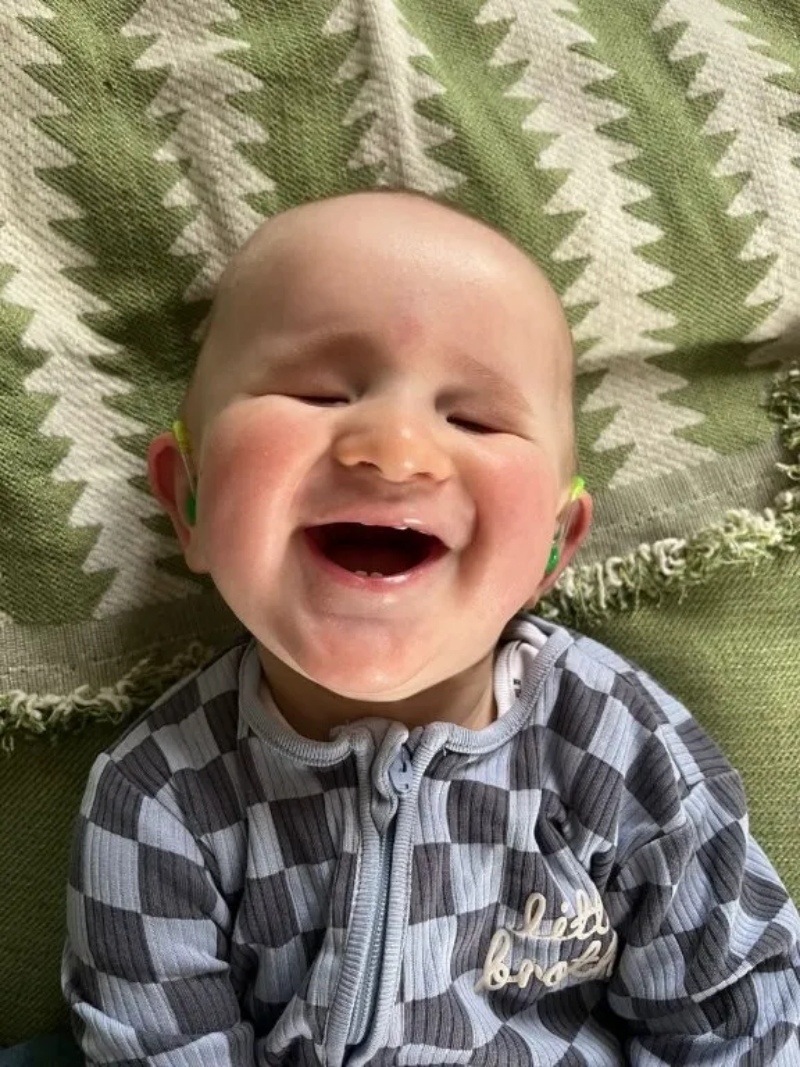
“He had hearing aids fitted and surgery to place conformers in his eye sockets to help maintain his facial structure and keep the option of prosthetics open in the future.
“More than once, he’s been called in for a vision test. I have to explain that he doesn’t have eyes. It’s so rare that even doctors can be surprised by it.”
Beth says some people have struggled to understand Rudy’s condition.
“I tried going to baby groups. Some parents were incredibly supportive, while others stared or avoided us. It made me feel uncomfortable, as though we didn’t belong.”
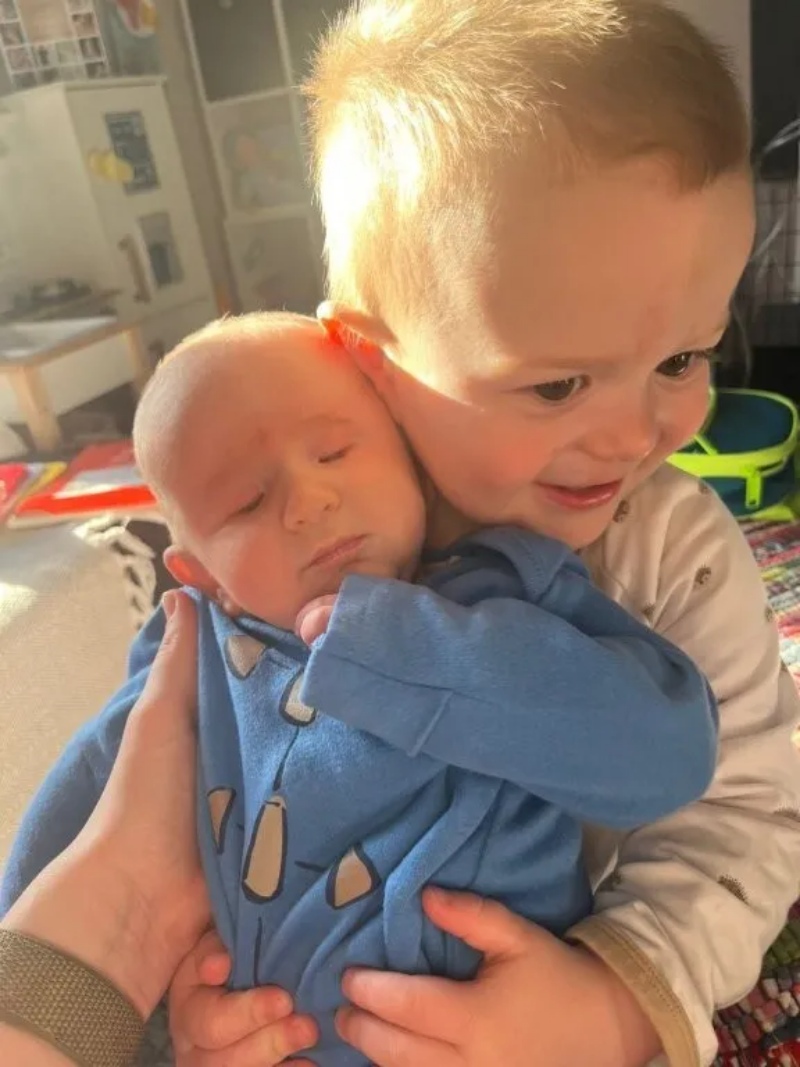
But Rudy’s older brother Jax, three, has become a wonderful role model.
“He adores Rudy. He says, ‘Rudy can’t open his eyes, but he can see with his hands.’
“He puts toys into Rudy’s hands and says, ‘Look at this, Rudy!’
“Jax kept asking why Rudy didn’t open his eyes, but gradually he accepted it.
“He rolls Rudy around the floor, they play together, they play the piano, and it does Rudy good.”
Rudy has developmental delays but has recently learned to sit up and clap. He loves stories and music, and his hearing aids work well.
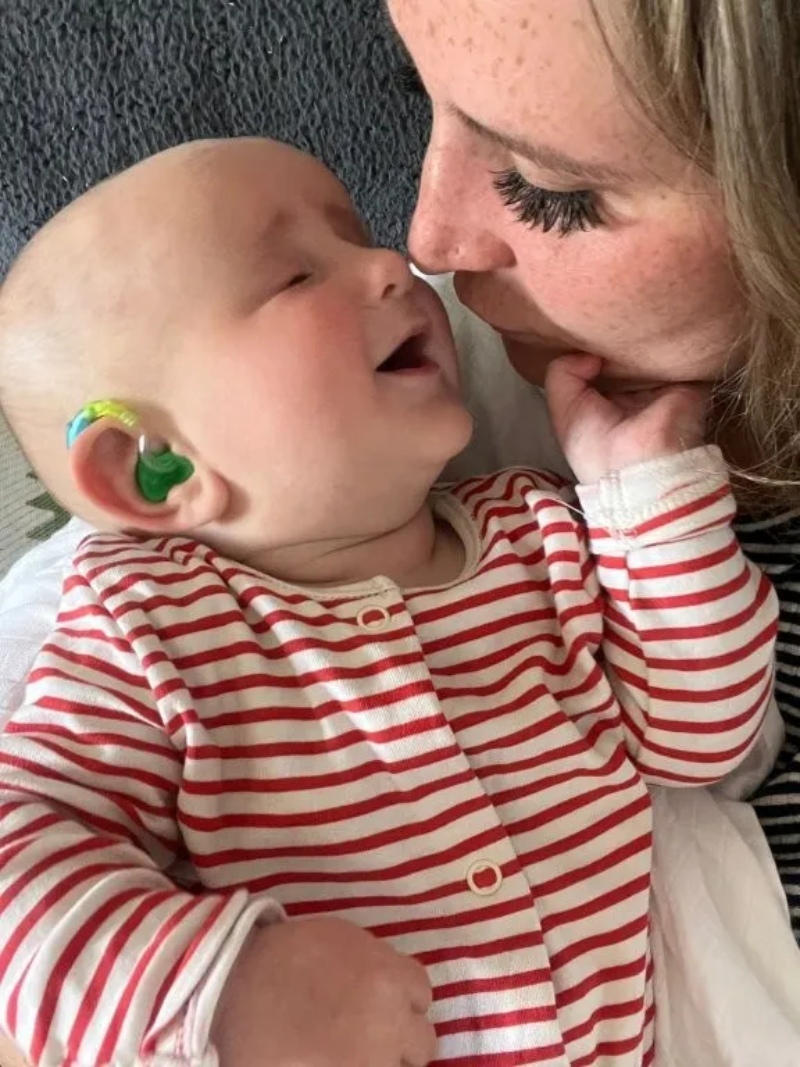
“If he’s been away from me, he puts his hands out and feels my face to check if it’s me,” Beth says.
“I’ve had a 3D family photo made so he can feel all our faces together. Over the years, I plan to make an album of 3D pictures for him.”
Rudy is currently waiting for further tests on his swallow reflex and an operation to slightly extend his eyelids. He has also been approved for a nursery place, which Beth hopes will help him gain more independence.
“We don’t know what the future holds, but Rudy brings us so much joy each day. I’ve learned to live in the moment and celebrate every milestone, big and small.”
Beth and Andrew are now fundraising for specialist equipment to help Rudy enjoy a more independent role in family life.
They have also received support from Microphthalmia, Anophthalmia & Coloboma Support (MACS), a national charity supporting children and adults born without eyes or with underdeveloped eyes.
“Because Rudy’s condition is so rare, there isn’t anyone living nearby that he can relate to as he grows up,” Beth says.
“We’ve made contact with a family in London and one in Greece.
“I hope by speaking out I can raise awareness and understanding.”
Source: The Sun