‘WEREWOLF’ GIRL DUBBED THE ‘CHILD FROM HEAVEN’ AS HER RARE CONDITION MAKES HER STAND OUT FROM OTHER CHILDREN
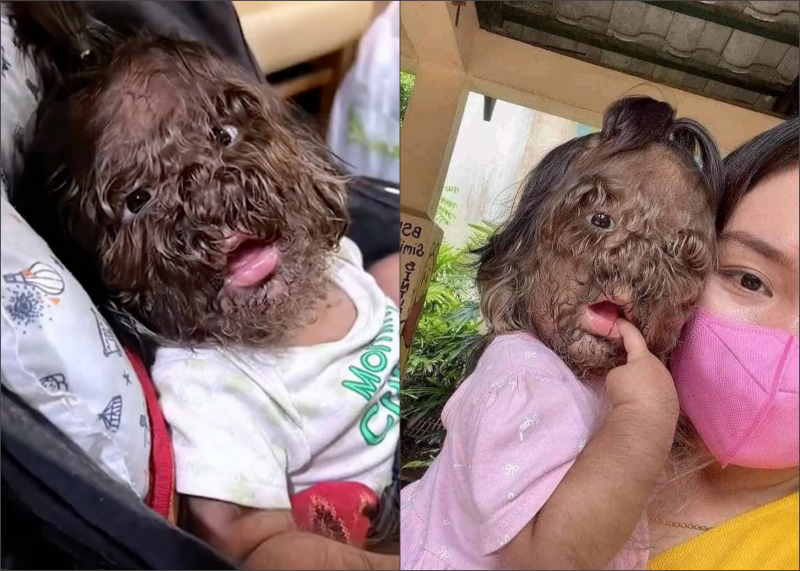
Hair to the throne.
Adik Missclyen was born with a rare condition known as congenital hypertrichosis, sometimes referred to as “werewolf syndrome.” The extremely uncommon condition causes her to grow unusually long hair on her face and upper body.
Her father, Roland Jimbai, said people often look at his youngest daughter differently, with some even referring to Adik as an “animal child.”

“At first, we were deeply hurt and felt stressed. We felt uncomfortable and started avoiding taking our daughter to public places, except when she needed to visit the hospital. We were very worried about what people might say,” Jimbai shared.
The father added that Adik’s rare condition does not affect her overall health, but the family still takes her for occasional medical check-ups to make sure everything remains well.
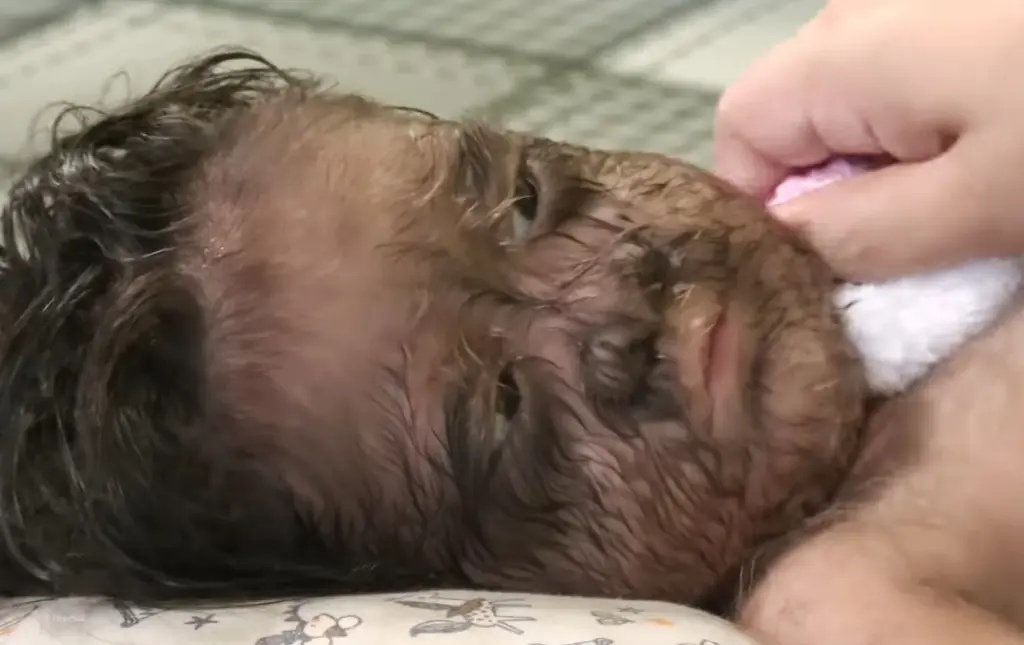
“I am still at a loss for words,” the tot’s father Roland Jimbai, told Newsflash of the royal rendezvous, which occurred September 11 in Bintulu, Borneo.
Also known as “werewolf syndrome,” hypertrichosis is extremely rare, with fewer than 100 recorded cases since the Middle Ages. Little Adik was also born without nostrils.

However, the hirsute child’s condition didn’t prevent her from meeting the Southeast Asian nation’s rulers.
The unusually hairy child and her parents, Jimbai and Theresa Guntin, were among many lined up to see Yang di-Pertuan Agong Al-Sultan Abdullah Ri’ayatuddin Al-Mustafa Billah and his consort, Raja Permaisuri Agong Tunku Azizah Aminah Maimunah Iskandariah.

However, the standard meet and greet took a turn after the king and his queen stopped to pose for photos with Adik and her family.
“It was worth the wait when Sultan Abdullah, Tunku Azizah and their children met up with our family and took pictures with Missclyen,” Jimbai gushed. “I am incredibly happy that we had the chance to meet the King and Queen.”

If that weren’t a big enough honor, the proud father said they dubbed little Adik “anak syurga,” which translates to “a child from heaven.”
“The King told me to take care of Missclyen as she is God’s blessing,” said Jimbai, who hopes his family can meet the “royal couple again if possible.”
This special photo opportunity was a far cry from how little Adik is usually treated, per her father.

He claimed that strangers frequently give his child unusual looks, while online commenters even call her “animal child.”
“Initially, we were really hurt and felt stressed,” Jimbai lamented. “We felt upset and began avoiding bringing her to public places, except for hospital follow-ups.”
He added, “We were so afraid of what people were going to say.”

Thankfully, little Adik’s rare condition doesn’t affect her health, although the family takes her for regular check-ups just to make sure.
As yet, there is no cure for hypertrichosis. Those living with the condition simply try and manage the excess hair via bleaching, trimming, shaving, waxing, lasers and other hair removal methods.

This isn’t the first high-profile case of hypertrichosis, which can either be present at birth or appear during adulthood.
The condition famously affected several circus performers in the 19th and early 20th centuries, most notably Julia Pastrana, a Mexican performer known as the “bear lady” on the carnival circuit due to her heavily haired face.

In a more recent example, several years ago children in Spain developed excess hair all over their bodies after they were accidentally given a hair loss drug for their indigestion.