Christa Pike’s Aunt Says Her Survival Was God’s Will After Failed Execution
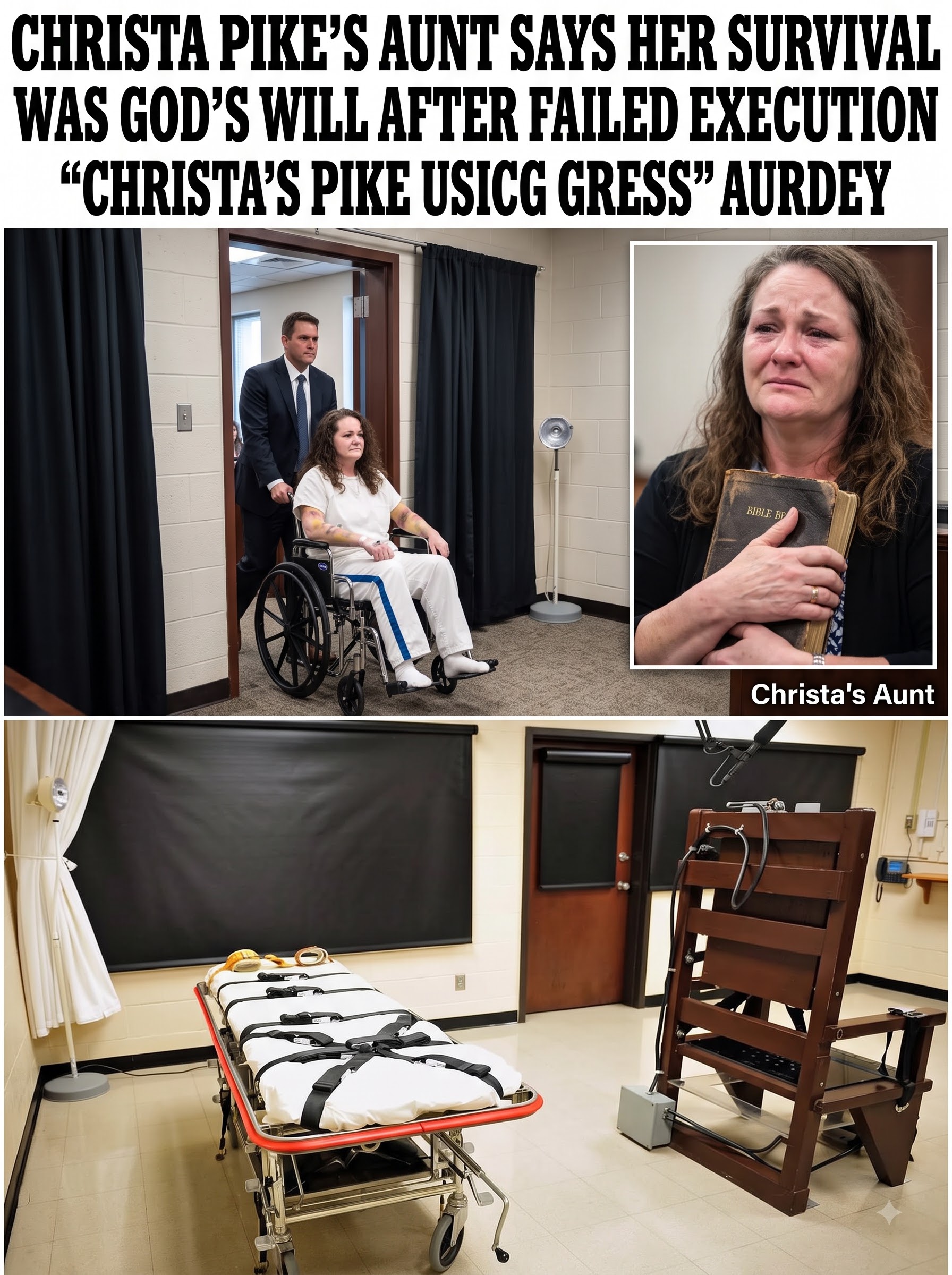
Christa Pike’s Aunt Says Her Survival Was God’s Will After Failed Execution
NASHVILLE, Tenn. — Christa Pike’s survival after Tennessee’s failed lethal-injection execution has taken a deeply personal and religious turn, with her aunt saying she believes Pike was spared for a reason.
Carrie Ross, who helped raise Pike and has described her as being like a daughter, believes Pike’s survival was not simply a medical outcome.
Instead, Ross sees it as an act of divine intervention.
“God is in control, not the Department of Correction,” Ross said, according to the New York Post.
Her comments come days after Pike became the first known U.S. prisoner to survive after execution drugs were administered as part of a completed lethal-injection attempt.
Two doses were administered — but Pike survived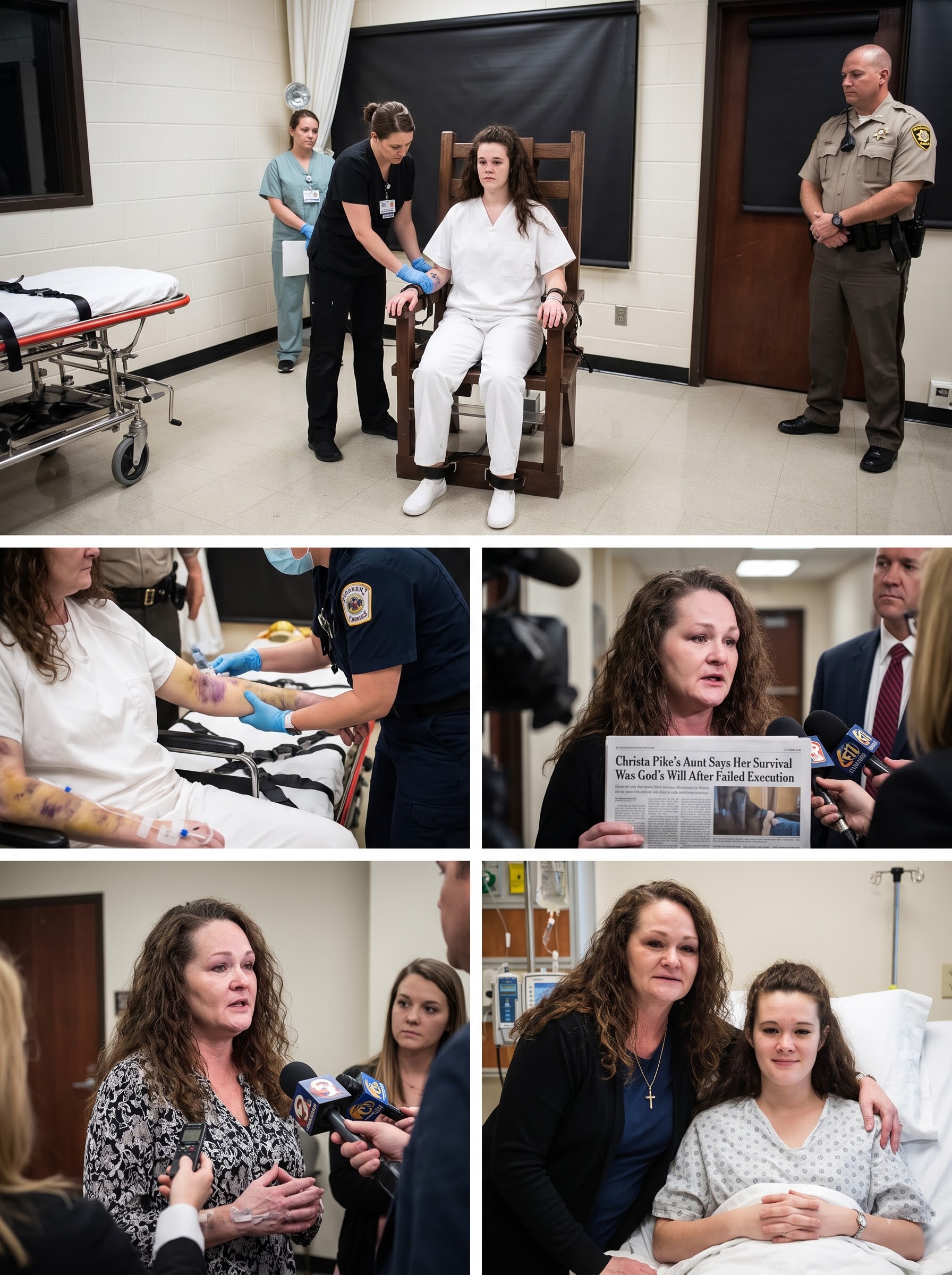
Pike, 50, was scheduled to be executed at Tennessee’s Riverbend Maximum Security Institution in Nashville on Sept. 30.
Officials administered two doses of pentobarbital, but Pike continued breathing and did not die.
She was eventually taken to a hospital, where she remained in critical condition.
Her attorneys initially feared she had suffered catastrophic neurological damage. On Oct. 6, however, they announced that Pike had regained consciousness and was able to speak.
Her recovery remains medically serious.
According to her attorneys, Pike has developed pneumonia and a blood clot, has had difficulty swallowing and has been unable to properly move her arms and hands.
Her aunt opposes another execution attempt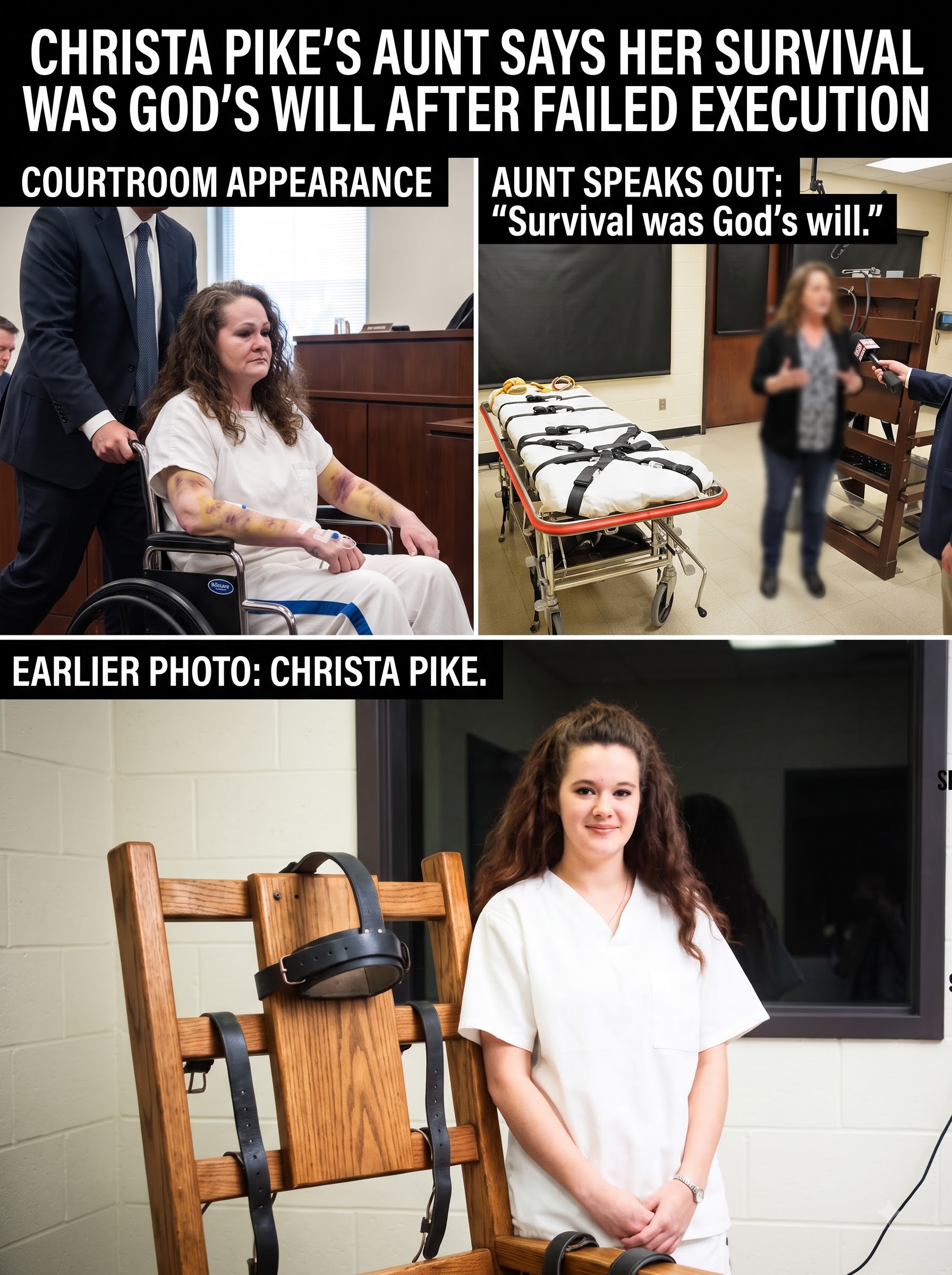
For Ross, the question is no longer simply whether Tennessee can carry out Pike’s death sentence.
She believes another attempt would be wrong.
Ross has urged officials to commute Pike’s death sentence to life without parole, arguing that Pike has already endured the physical consequences of an execution attempt.
Her position comes as Pike’s attorneys pursue a legal challenge over what happened inside the execution chamber.
On Oct. 7, a Tennessee judge ordered the state to preserve evidence connected to the failed execution, including medical equipment, surveillance footage, communications and other materials.
What happens to Pike now?
That question remains unresolved.
Pike’s death sentence has not simply disappeared because the execution failed. At the same time, attempting to execute her again could raise unprecedented constitutional and legal questions because she already received the execution drugs and survived. Legal experts say her case has moved into largely uncharted territory.
Tennessee Gov. Bill Lee has suspended executions in the state for the remainder of 2026 while an independent review examines what went wrong.
Meanwhile, Pike’s legal team is seeking to preserve evidence and continues to push for her sentence to be commuted.
For Ross, however, the explanation is more personal than legal.
She believes Pike’s survival carries a meaning that goes beyond the failed procedure — that, in her view, God intervened when the state attempted to end Pike’s life.
Whether that belief will have any impact on Pike’s legal future remains uncertain.
But one thing is clear: after two doses of execution drugs failed to kill her, Christa Pike’s case has entered territory Tennessee — and the U.S. legal system — has rarely, if ever, faced before.