For 34 Years, Police Knew Her by the Name Her Killer Gave Them. Now She Has Her Real Name Back
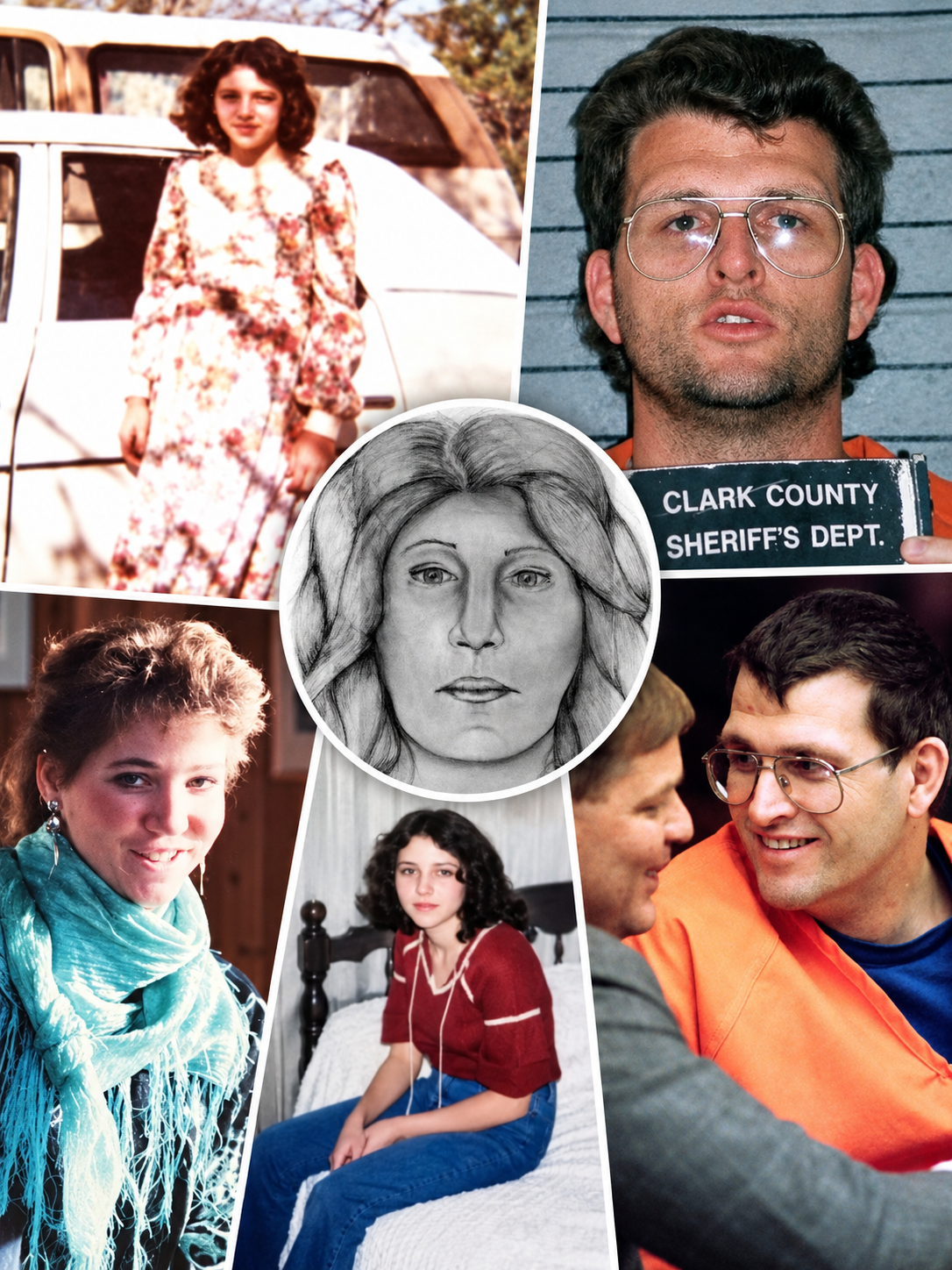
For nearly 34 years, investigators knew who had killed the woman found beside a California highway.
They knew approximately when she died.
They knew where her body had been left.
They even had a confession from the serial killer responsible.
But they did not know the most basic thing about her.
Her name.
Keith Hunter Jesperson, the long-haul truck driver who became known as the “Happy Face Killer,” told investigators he knew the woman as “Claudia.”
For decades, that was the name attached to her case.
But investigators could never prove it belonged to her.
Then, in August 2026, DNA finally gave the woman back something her killer could not provide:
Her real identity.
She was Lydia Jane Wade McWhorter, a 26-year-old woman from Texas whose family had spent decades wondering what happened after she disappeared.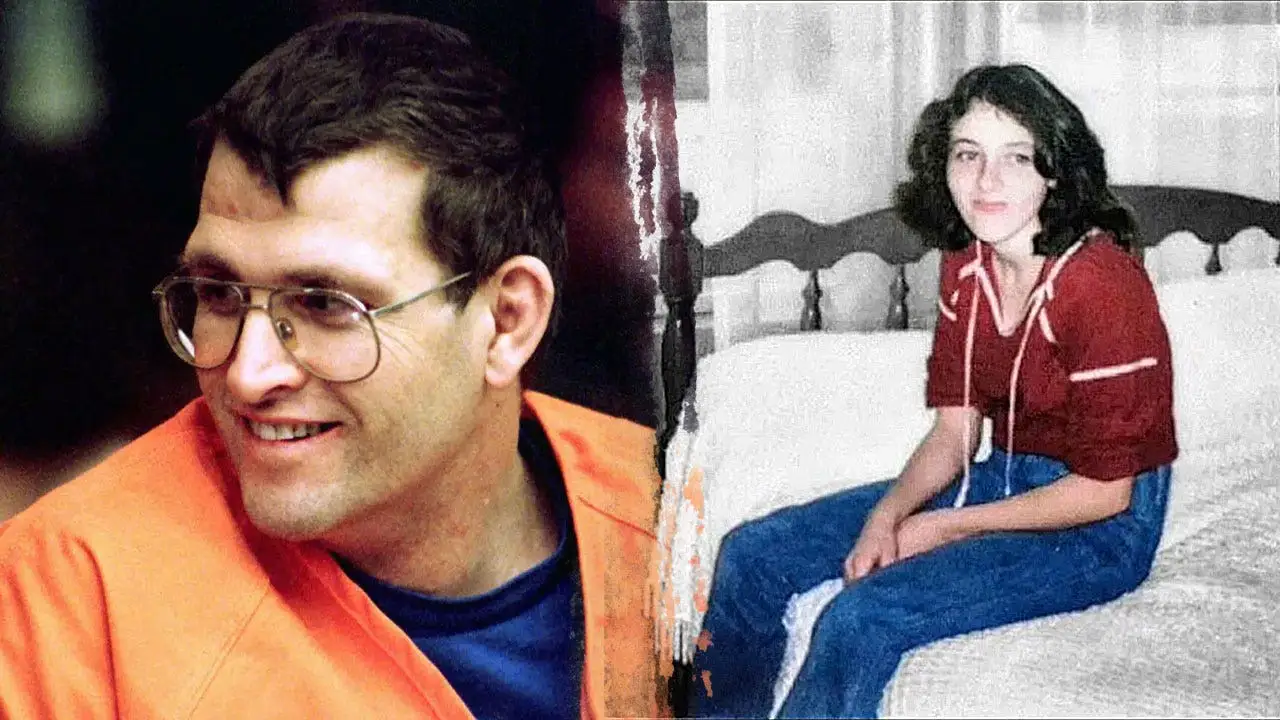
A Body Beside a Desert Highway
On August 30, 1992, Lydia’s body was discovered along Highway 95, approximately seven miles north of Blythe, California.
At the time, authorities did not know who she was.
Investigators documented physical details that they hoped might eventually lead someone to recognize her.
She was believed to be a young adult woman with blonde hair and a medium build.
She had a distinctive tattoo consisting of two small dots near her right thumb.
She was wearing a T-shirt featuring a motorcycle.
But no identification connected those details to a name.
The woman became another unidentified homicide victim.
Years later, investigators would learn much more about how she died.
They still would not know who she was.
The Killer Called Her “Claudia”
Jesperson worked as a long-haul truck driver, traveling enormous distances across the United States.
He later confessed to killing multiple women during the early 1990s.
According to the account he eventually gave investigators, he encountered the unidentified woman while driving through Southern California in August 1992.
Jesperson said he met her near Interstate 15 south of the Victorville area.
She reportedly wanted to travel toward Los Angeles.
Because his route was taking him in another direction, the two instead traveled toward other parts of Southern California.
At some point, according to Jesperson, they argued.
He admitted killing her inside his truck.
He then drove toward Blythe and disposed of her body beside Highway 95.
Jesperson told investigators the woman had called herself “Claudia.”
But authorities had no independent way to confirm that name.
It could have been genuine.
It could have been an alias.
Or Jesperson could simply have remembered it incorrectly.
And so, even after the killer was identified, the victim remained unknown.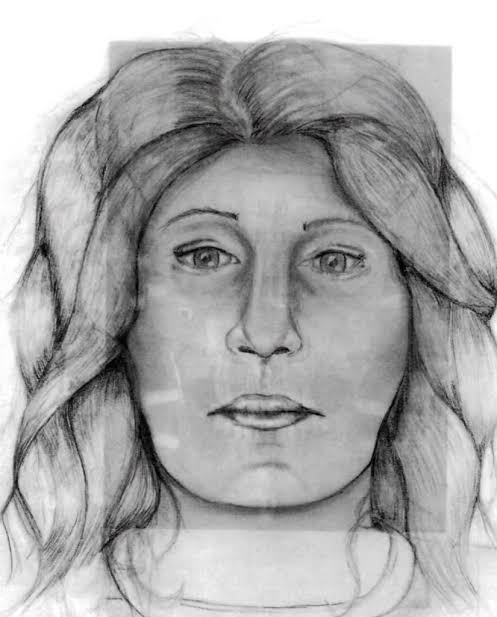
The Murder Was Solved Before the Identity Was
The case developed in an unusual way.
Most homicide investigations begin with a known victim while detectives search for the killer.
Here, the opposite eventually became true.
Jesperson was arrested in 1995.
His crimes stretched across several states, and he became known as the “Happy Face Killer” because of smiley-face symbols associated with letters discussing his crimes.
He ultimately admitted responsibility for the California killing.
In 2010, Jesperson pleaded guilty to murdering the unidentified woman whose body had been found near Blythe.
He received an additional prison sentence for the killing.
Legally, investigators had an answer to one major question.
They knew who killed her.
What they still did not know was who she had been before she met him.
Science Begins Building a Family Tree
Investigators continued trying to identify her.
Over the years, they used facial reconstructions, anthropological examinations and other forensic techniques.
As DNA technology improved, the possibilities changed dramatically.
Instead of relying entirely on someone recognizing a reconstruction or connecting the victim with an old missing-person report, investigators could begin searching for biological relatives.
Forensic genetic genealogy offered a new path.
The method uses DNA relationships to locate people who may share ancestors with an unknown individual.
Genealogists can then build family trees and gradually narrow possible identities based on age, sex, geography and family history.
Eventually, genetic research helped investigators identify relatives connected to the victim’s biological father’s side of the family.
That was progress.
But it did not immediately reveal her name.
The relatives did not provide the final connection investigators needed.
The genetic trail had brought detectives much closer.
But the woman was still unidentified.
Investigators Keep Searching
By the mid-2020s, she remained the final unidentified victim connected to the murders for which Jesperson had been convicted.
Investigators renewed efforts to identify her.
Information about the victim was circulated publicly again.
Authorities revisited old evidence.
They also questioned Jesperson again, hoping that memories from decades earlier might contain something useful.
Jesperson described the woman as someone who hitchhiked frequently and appeared familiar with parts of Southern California and Nevada.
Genetic research suggested family connections elsewhere in the United States.
Investigators continued searching for relatives who could provide the DNA needed to confirm an identity.
Then a new lead emerged.
A Maternal Relative Helps Solve the Mystery
Investigators eventually developed a connection to the woman’s maternal family.
That opened another branch of the genetic family tree.
DNA testing was performed with a close relative.
In August 2026, the results finally provided the confirmation investigators had sought for more than three decades.
The woman known as “Claudia” was actually Lydia Jane Wade McWhorter.
She had been 26 years old when she died.
She was from Texas.
And she had family members who had lived for decades without knowing what had happened to her.
The DNA result did more than identify a homicide victim.
It connected two stories that had existed separately since 1992.
In California, investigators had an unidentified woman killed by a serial murderer.
In Texas, a family had lost Lydia.
For 34 years, no one had been able to prove those stories belonged to the same person.
Now they could.
Her Family Finally Has an Answer
For investigators, identification marked the closing of one of the longest unanswered questions connected to Jesperson’s crimes.
For Lydia’s family, the meaning was far more personal.
Their relative had not simply vanished without explanation.
Her journey had taken her hundreds of miles from home.
At some point, she encountered Jesperson.
Her body was discovered shortly after her death.
But because investigators could not connect the unidentified woman in California with Lydia’s family, her relatives remained without answers for decades.
They did not know where she was.
They did not know what had happened.
And they did not know that law enforcement had actually recovered her body years earlier.
Modern DNA finally bridged that gap.
More Than a Jane Doe
Cases involving unidentified victims can gradually become defined by forensic descriptions.
Height.
Hair color.
Clothing.
Tattoos.
Dental records.
Approximate age.
Those details are necessary for investigators, but they can also obscure the fact that the person had an entire life before becoming a case number.
Lydia had a name.
She had relatives.
She had a history that existed long before Keith Jesperson entered her story.
For decades, however, almost everything publicly known about her came through the man who killed her.
Even the name investigators used — “Claudia” — came from him.
That changed in 2026.
DNA allowed investigators to move beyond the killer’s version of her identity.
Her Killer’s Name No Longer Defines Her
Jesperson became nationally known because of his crimes.
His nickname appeared repeatedly in stories about the women he murdered.
For decades, Lydia’s identity remained overshadowed by his.
She was described as “Claudia.”
An unidentified woman.
A Jane Doe.
One of the “Happy Face Killer’s” victims.
But those descriptions were never the complete story.
Nearly 34 years after her body was discovered beside a California highway, investigators were finally able to say who she really was.
She was not simply the name her killer remembered.
She was not an unidentified case.
She was not just another victim on a serial killer’s list.
Her name was Lydia Jane Wade McWhorter.
And after more than three decades, that name finally belongs to her story again.