For More Than a Month, Nobody Knew Whether Her Death Was a Crime. Then the Medical Examiner Changed Everything

When 29-year-old Tasia Fortune was found hanging from a tree behind a vacant home in Jackson, Mississippi, one question immediately overshadowed almost everything else.
What happened to her?
Her body was discovered on August 3, 2026, behind an abandoned property in the 500 block of Road of Remembrance in west Jackson.
The circumstances were disturbing enough to draw national attention almost immediately.
But for weeks, there was one crucial thing authorities could not officially say:
Whether Fortune’s death was a homicide.
Police investigated aggressively from the beginning, interviewing people and gathering evidence while waiting for the state medical examiner’s final determination.
More than a month passed.
Then, on the night of September 10, the answer finally arrived.
The medical examiner officially classified Fortune’s death as a homicide.
Within hours, the investigation changed dramatically.
Police obtained warrants.
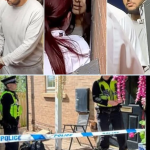
The next day, officers arrested 51-year-old Jarques “Jock” Ratliff and charged him with murder.
But even that arrest did not close the case.
Police say the investigation remains active.
And they have publicly indicated that more arrests may follow.
Tasia Fortune Was Found Behind a Vacant House
Fortune’s body was discovered behind a vacant residence in west Jackson on August 3.
She was hanging from a tree by a cord.
The scene immediately generated intense public concern.
Fortune was Black, and the image of a Black woman found hanging from a tree in Mississippi inevitably evoked the state’s history of racial violence and lynching.
But authorities repeatedly warned against reaching conclusions before forensic evidence was complete.
Police did not publicly identify a racial motive.
Fortune’s mother, Christy Spivey, would later say she did not believe her daughter’s death was racially motivated.
What the family did believe strongly was that Fortune had not taken her own life.
From the beginning, they wanted investigators to determine exactly how she ended up behind that house.
Police Treated the Case Seriously From Day One
One reason the case became confusing publicly was the difference between how police were investigating the death and what the medical examiner had officially determined.
Jackson Police Chief RaShall Brackney later said investigators had approached the case as a possible homicide from the beginning.
But a police theory and a medical examiner’s ruling are not the same thing.
The state medical examiner had to determine the official manner of death.
An autopsy was conducted.
Then investigators waited.
Days turned into weeks.
During that time, police interviewed nearly 15 people as they tried to reconstruct Fortune’s final movements and relationships.
They also developed people of interest and continued collecting evidence.
But without the medical examiner’s official homicide determination, police said there were investigative steps they were not yet prepared to take.
For Fortune’s family, the wait was agonizing.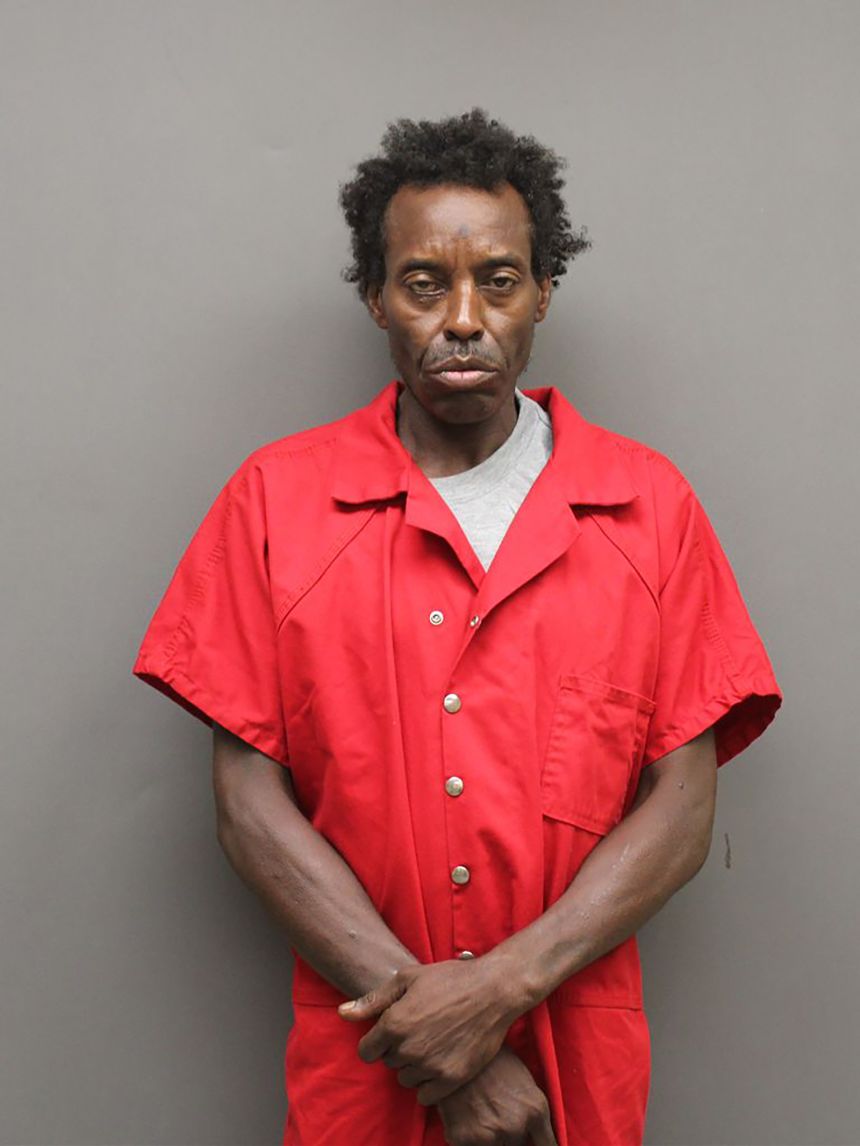
Who Was Tasia Fortune?
Fortune was originally from Kentucky.
Her life had not been easy.
Family members said she entered foster care when she was young and left Kentucky as a teenager.
She eventually made her way to Jackson, where she lived for years.
As an adult, Fortune experienced periods of homelessness and struggled with addiction.
But those close to her said she was still trying to move forward.
She was a mother of four.
Her family described her as intelligent and athletic, someone who had once excelled at cross-country running.
Shortly before her death, she was reportedly thinking about rebuilding her life and starting a cleaning business.
That made the circumstances of her death even harder for her family to understand.
They were not simply waiting for an autopsy result.
They were waiting to learn what had happened to someone they loved.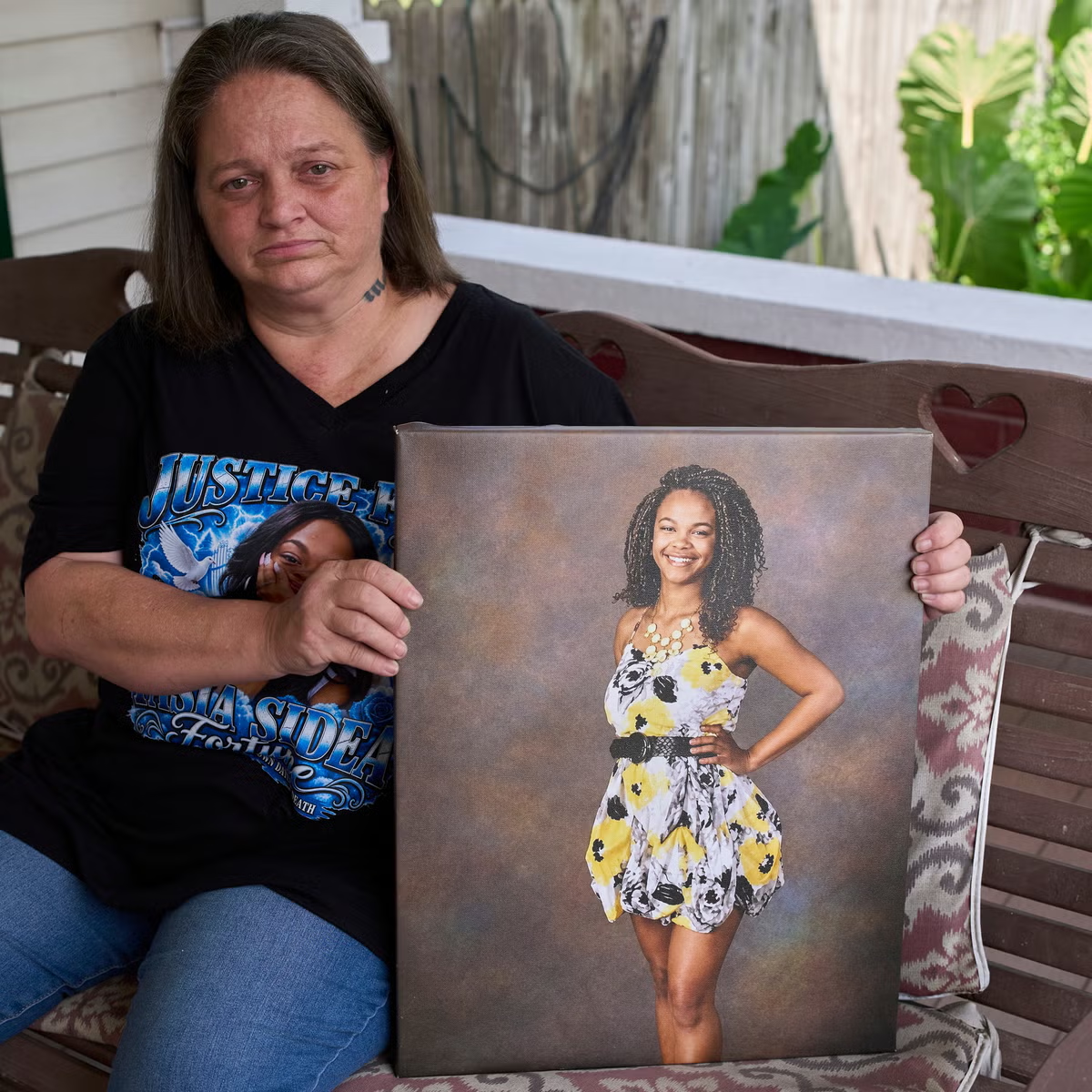
September 10 Changed the Investigation
For more than a month, the case existed in an uncomfortable space.
Police clearly considered the circumstances suspicious.
But the medical examiner’s official conclusion had not arrived.
Then, on Thursday night, September 10, investigators received the ruling they had been waiting for.
Homicide.
That single forensic determination changed what police could publicly say about Fortune’s death.
She had not simply been found dead under unexplained circumstances.
Authorities were now officially investigating a killing.
Police moved quickly.
Investigators secured two search warrants and an arrest warrant for Jarques Ratliff.
By the following day, they were searching for him.
Police Arrest Jarques Ratliff
Ratliff, 51, was not located when officers initially executed the search warrants.
Police later found him in Jackson and took him into custody.
He was charged with murder in Fortune’s death.
Authorities have said Ratliff and Fortune had some type of association, but they have not publicly explained the exact nature of their relationship.
That remains one of the significant unanswered questions in the case.
Were they friends?
Acquaintances?
Did they spend time together regularly?
What happened between them before Fortune died?
Police have withheld many details, saying releasing too much information could damage an active investigation.
Court information has also alleged that Fortune was hanged using a black cable-type cord.
However, authorities have still not publicly disclosed all of the forensic evidence they believe connects Ratliff to the killing.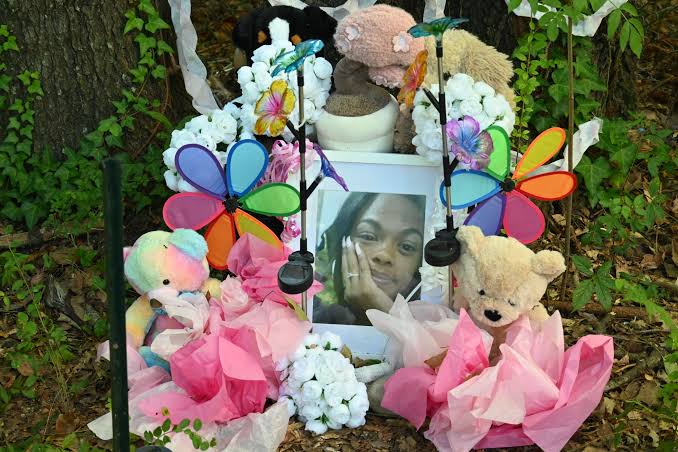
Ratliff Says He Is Not Guilty
An arrest is not a conviction.
On September 14, Ratliff appeared in court and pleaded not guilty to the murder charge.
His attorney urged the public not to prejudge the case and emphasized that Ratliff had not confessed.
A judge denied Ratliff bond after hearing arguments concerning whether he should remain jailed while the case proceeds.
The prosecution must still prove its allegations in court.
Ratliff will have the opportunity to challenge the state’s evidence and present a defense.
For that reason, the case should not be described as solved in the legal sense.
Police have made an arrest.
A trial has not determined guilt.
And Police Say There May Be More Arrests
Perhaps the most important development after Ratliff’s arrest was what the police chief said next.
The investigation was not over.
Authorities said they expect additional arrests.
That statement suggests investigators believe other people may have information or potential involvement relevant to Fortune’s death.
Police have not publicly explained who those people might be or what roles they are suspected of playing.
The chief said investigators are deliberately withholding certain details because people involved in the case may possess information only they would know.
Releasing those facts publicly could make it harder for detectives to evaluate future statements and evidence.
For Fortune’s family, that means Ratliff’s arrest represents progress — but not necessarily the final answer.
One Official Ruling Changed Everything
For weeks, the most basic question remained unresolved.
Was Tasia Fortune’s death a suicide, an accident, or a homicide?
Police gathered evidence.
Her family demanded answers.
The public debated what the disturbing scene might mean.
Then the medical examiner made an official determination.
Homicide.
Within roughly a day, police had moved from waiting for that forensic ruling to arresting a man on a murder charge.
Now the investigation has entered a new stage.
Jarques Ratliff has pleaded not guilty.
His relationship with Fortune has not been fully explained.
A motive has not been publicly established.
And police say additional arrests could still come.
That is why the homicide ruling was not the ending to Tasia Fortune’s case.
It was the moment the mystery changed.
For more than a month, people were asking whether her death had been a crime.
Now investigators say it was.
The question they are trying to answer next is much bigger:
Exactly what happened to Tasia Fortune — and who else, if anyone, was involved?