‘I WAS TOLD TO END THE PREGNANCY’: MUM’S EMOTIONAL JOURNEY AFTER SCAN REVEALED HER BABY WAS MISSING A LEG BONE
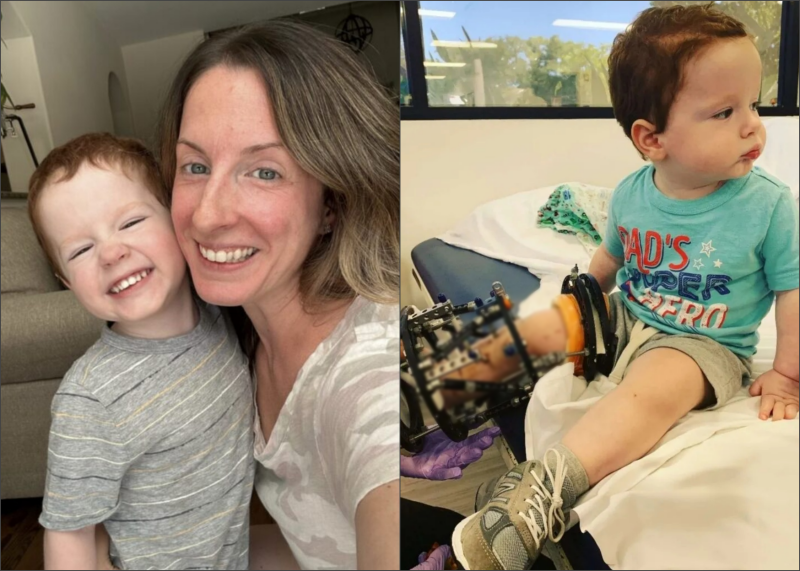
When Jenna Cohen was 20 weeks pregnant, she expected a routine scan to offer another glimpse of her unborn baby.
Doctors discovered that her baby was missing the fibula — one of the two long bones in the lower leg — and Jenna was suddenly faced with news she had never imagined receiving.
“It was sort of like an out-of-body experience…the feeling of heat rising, and my ears were ringing really, really loudly,” Jenna recalled.
Then came the words that left her completely stunned.
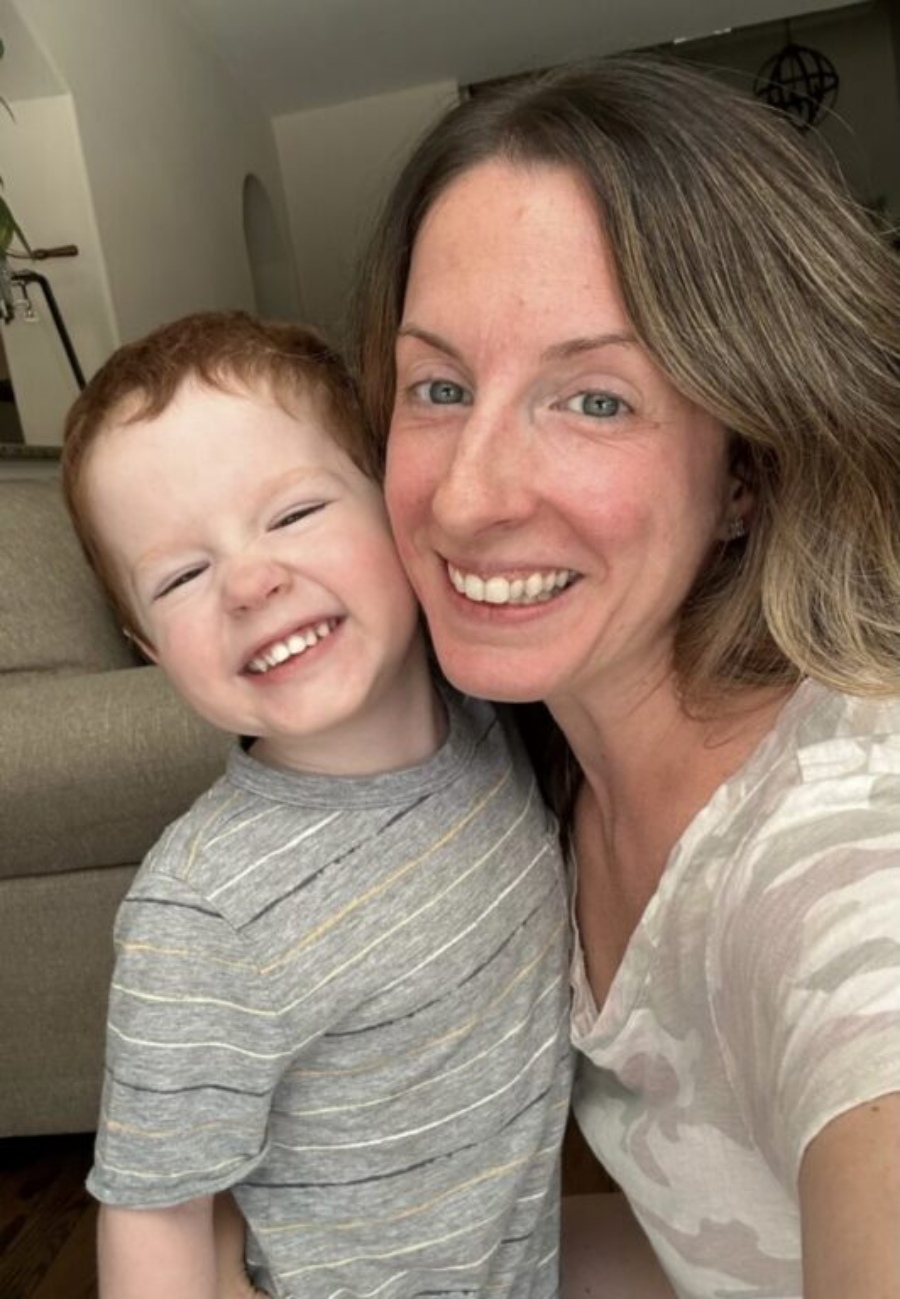
She said she was advised to terminate the pregnancy.
But Jenna made a different choice.
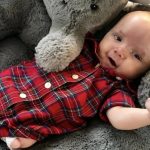
She decided to continue her pregnancy and welcome her son, Angelo, despite the uncertainty surrounding his future.
The pregnancy itself became difficult, and just a few weeks later Jenna was placed on bed rest because of other complications. At that point, her focus was simply on making it safely through the pregnancy — for both herself and her unborn child.
Angelo was eventually born with fibular hemimelia, a rare condition in which the fibula is missing or significantly underdeveloped.
At first, Jenna had no idea what life might look like for her little boy.
Then a friend suggested she search Facebook for support groups.
“If she didn’t say that to me, I don’t think that I would have ever thought to do it,” Jenna said.
“But holy guacamole, the amount of groups that came up! It was such a sigh of relief for me because I finally felt like I wasn’t alone.”
For Jenna, connecting with other families changed the way she viewed Angelo’s future.
Their stories showed her that although her son’s path might look different from that of other children, there was still every reason to imagine a happy and active life ahead.
She also found a specialist who understood Angelo’s condition. During their first appointment, the family was able to discuss a treatment plan and begin preparing for the years ahead.
Without treatment, doctors projected that Angelo’s legs could eventually differ in length by around six inches.
His journey therefore involved several carefully planned procedures.
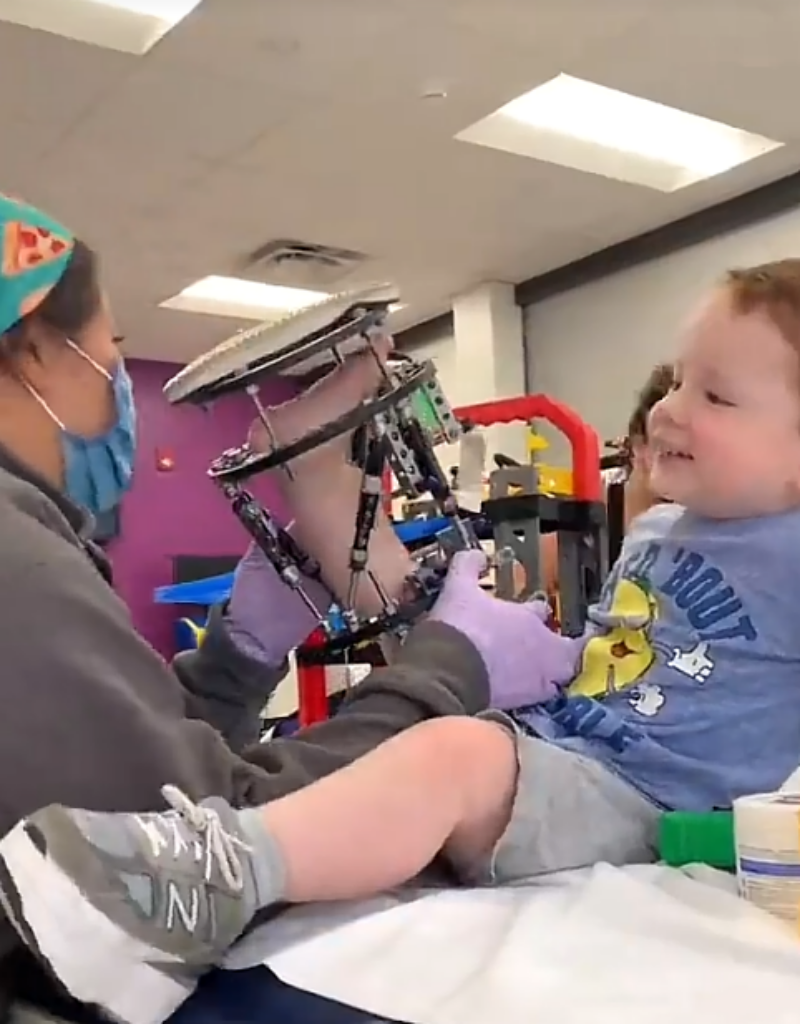
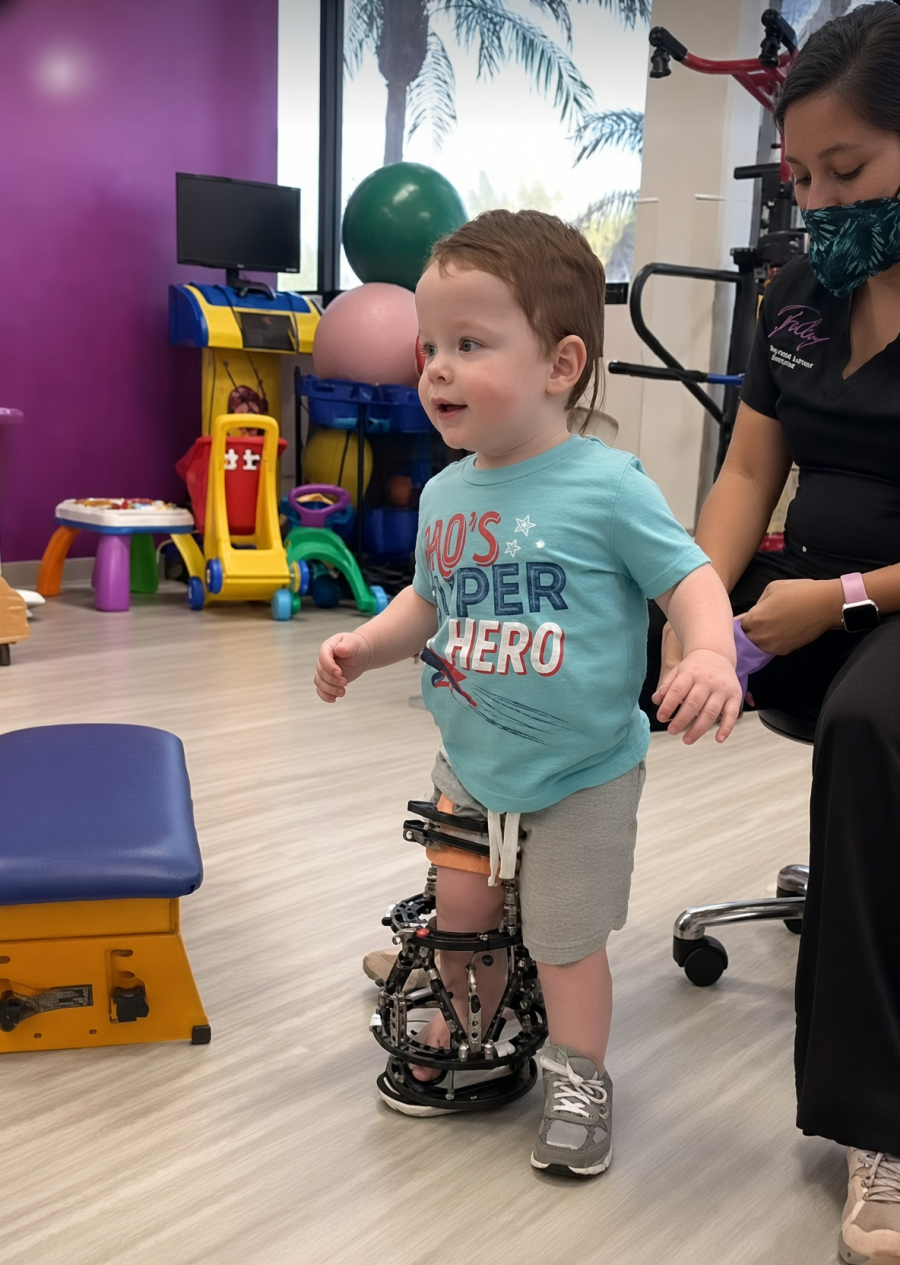
Angelo first underwent surgery on his ankle, which was positioned incorrectly, and at 22 months old he had his first leg-lengthening procedure.
Before his first surgery, he did not walk until around 15 months old and wore an AFO brace for six months.
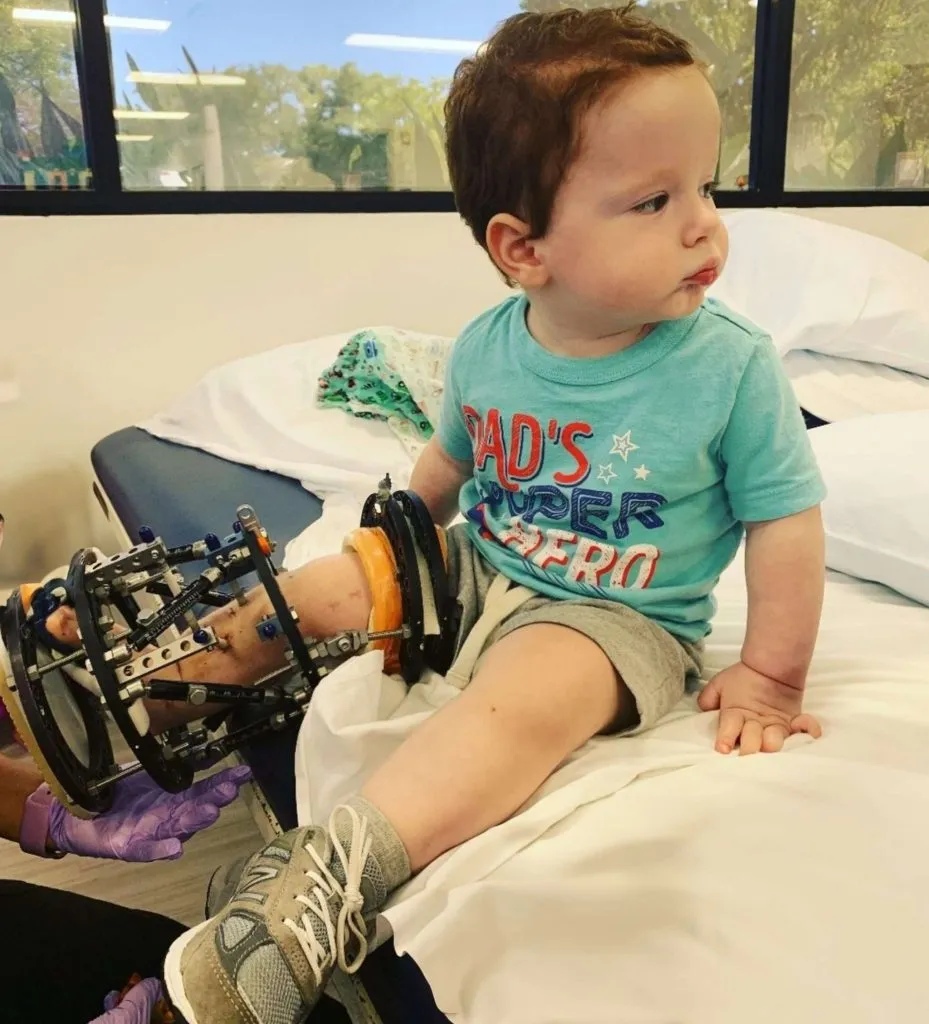
He also used a shoe lift to help compensate for the difference in leg length.
After his right leg was lengthened, his legs became even and he no longer needed the lift. But because the two legs continue to grow at different rates, the difference will gradually return as Angelo grows.
Further procedures are expected around his fifth birthday and again during his early teenage years.
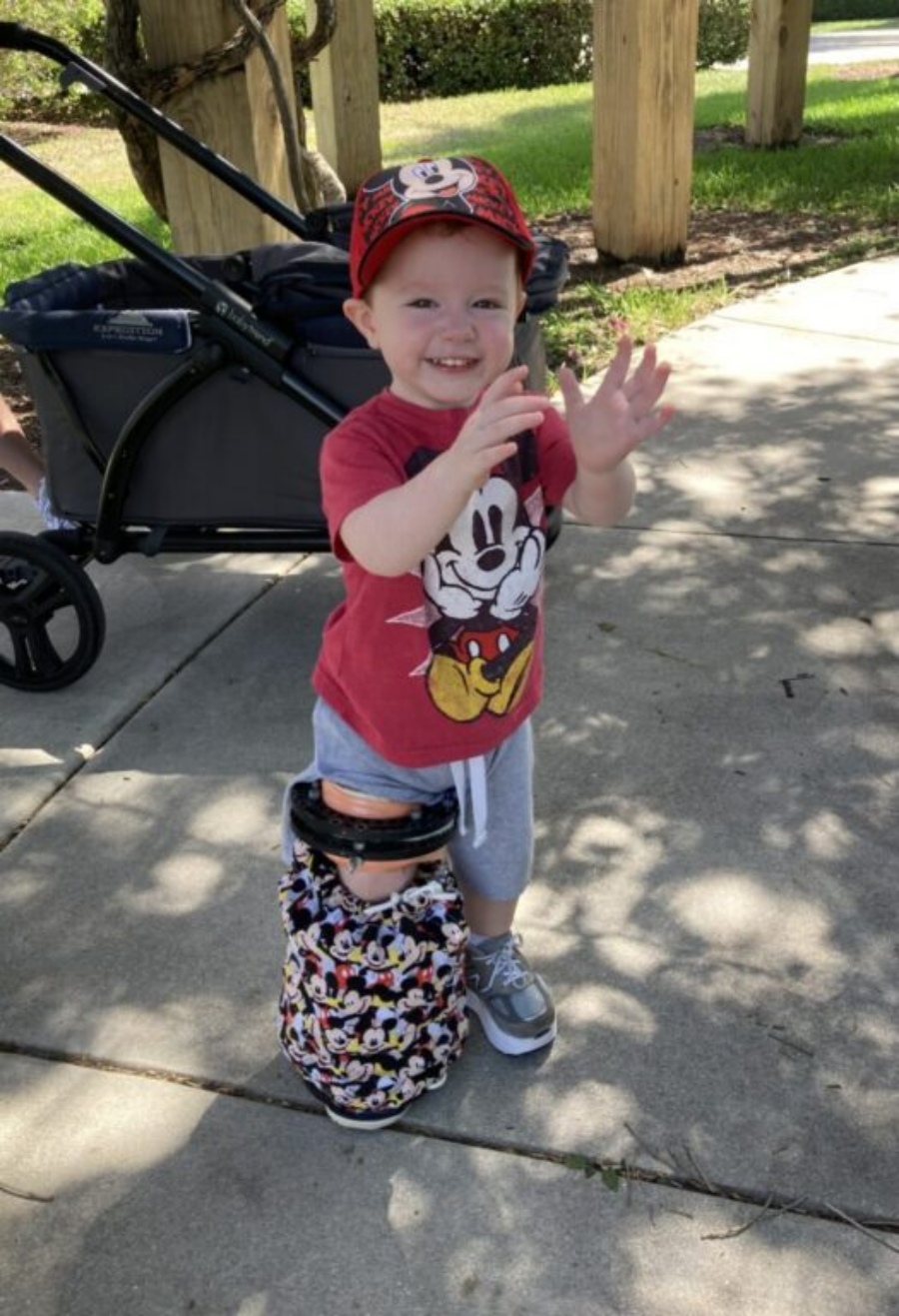
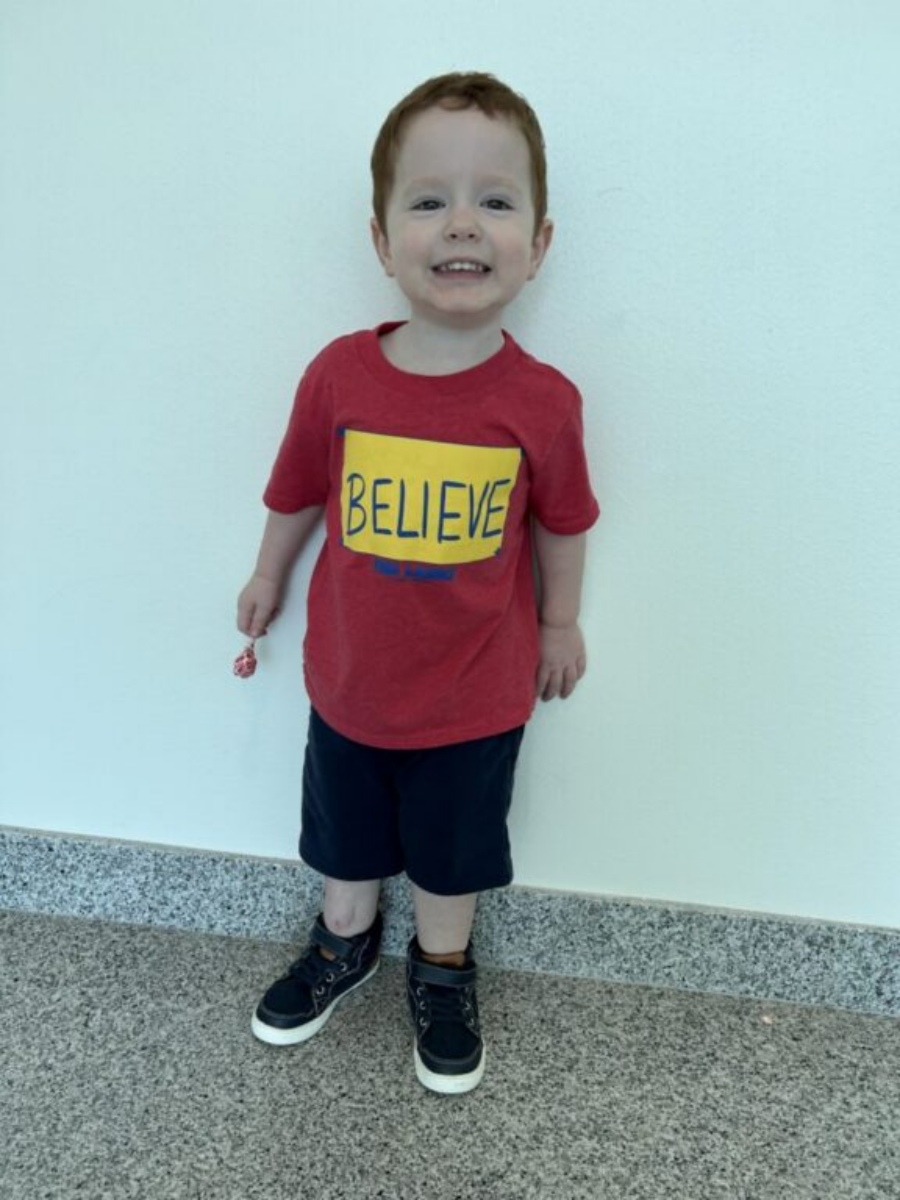
For a time, Angelo was restricted from running and jumping. Today, however, he is much more mobile and is able to keep up with other children in many of the activities he enjoys.
His journey is far from over, but Jenna says the experience has taught her an important lesson about facing an unexpected diagnosis.
“If you’re given a diagnosis during pregnancy…enjoy the pregnancy, because there’s no point in worrying,” she said. “You will deal with everything in due time.”
Looking back on the first time she met Angelo’s doctors, Jenna remembers feeling an overwhelming sense of relief.
“When I met Angelo’s doctors for the first time, I just wanted to hug them,” she said.
After being told that something was wrong with her unborn child and being advised to end the pregnancy, she finally met specialists who told her that there was a plan and that Angelo could move forward.
Her advice to other families facing an unexpected prenatal diagnosis is simple: research, ask questions and seek additional medical opinions.
“Just do your homework and take the time to research doctors, seek second and third opinions.”
Jenna also admits that before Angelo, she had never heard of fibular hemimelia or realized that children could be born with similar limb differences.
Today, the condition is no longer an unfamiliar medical term to her — it is part of her family’s story and a journey she has learned to take one step at a time.
Angelo’s path may involve more procedures as he grows, but the little boy who once had his future described only in terms of medical challenges is now growing, moving and discovering the world around him.
And for Jenna, that is the future she wanted him to have all along.
Source: patientworthy.com