A 12-Year-Old Cancer Patient Had One Last YouTube Dream. Strangers Helped Him Reach It Days Before Hospice
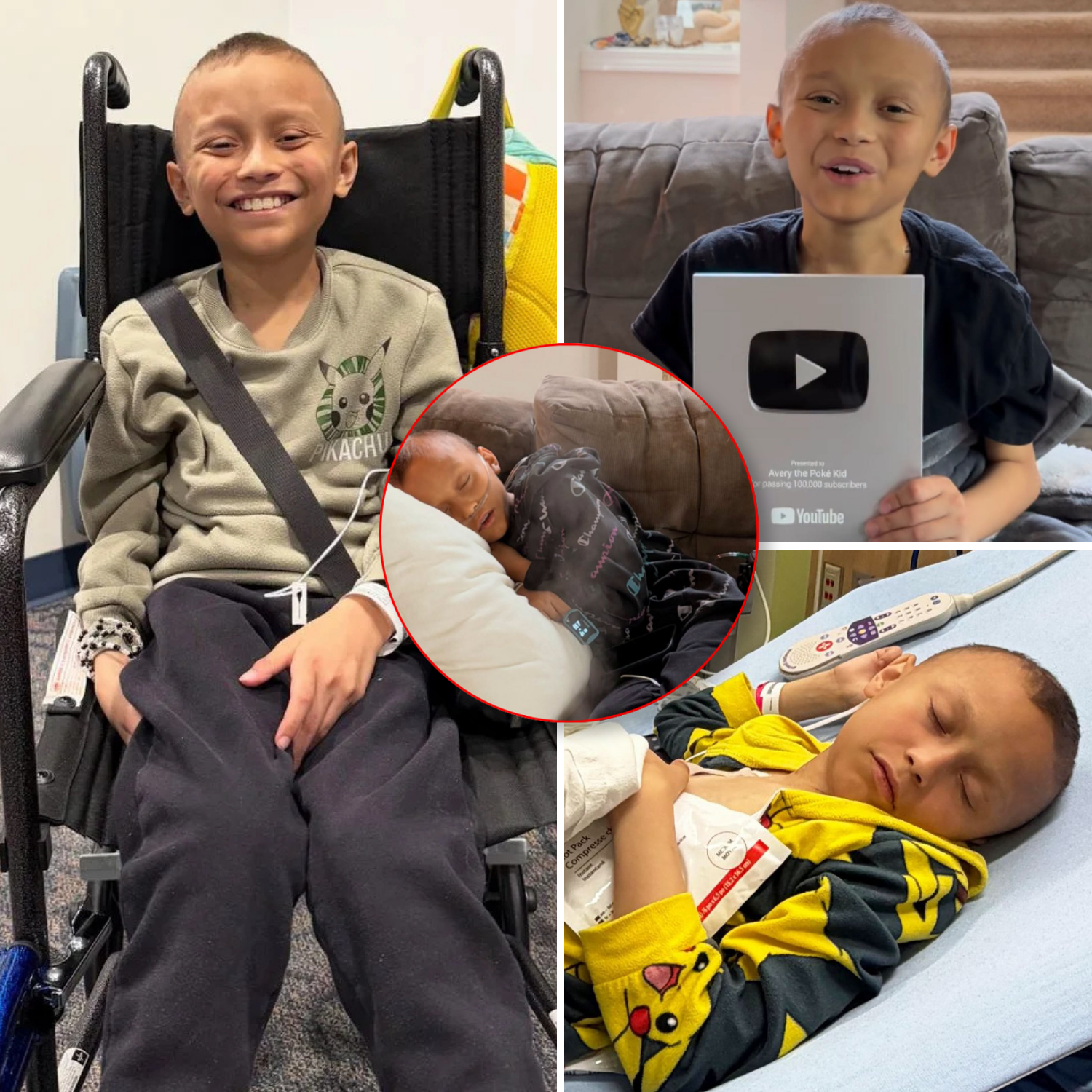
For years, Avery’s life had been measured by things no child should have to memorize.
The next scan.
The next surgery.
The next treatment.
The next procedure.
The next chance.
But in the final weeks of August, after nearly eight years of fighting an extraordinarily rare childhood cancer, Avery’s family received the news they had spent years hoping would never come.
Treatment was no longer stopping the disease.
His parents decided they would no longer continue cancer-directed therapy.
And suddenly, the question was no longer what treatment came next.
It was how to make the time Avery still had feel like his own.
One answer came from something completely unrelated to hospitals: Pokémon cards and YouTube.
Avery, known online as Avery the Poke Kid, had dreamed of becoming a creator with 100,000 YouTube subscribers — the milestone that earns eligible creators YouTube’s Silver Creator Award.
Thousands of strangers decided they were going to help him reach it.
They did.
On September 10, Avery opened his Silver Play Button on camera.
Seven days later, his parents announced that their 12-year-old son had entered hospice care.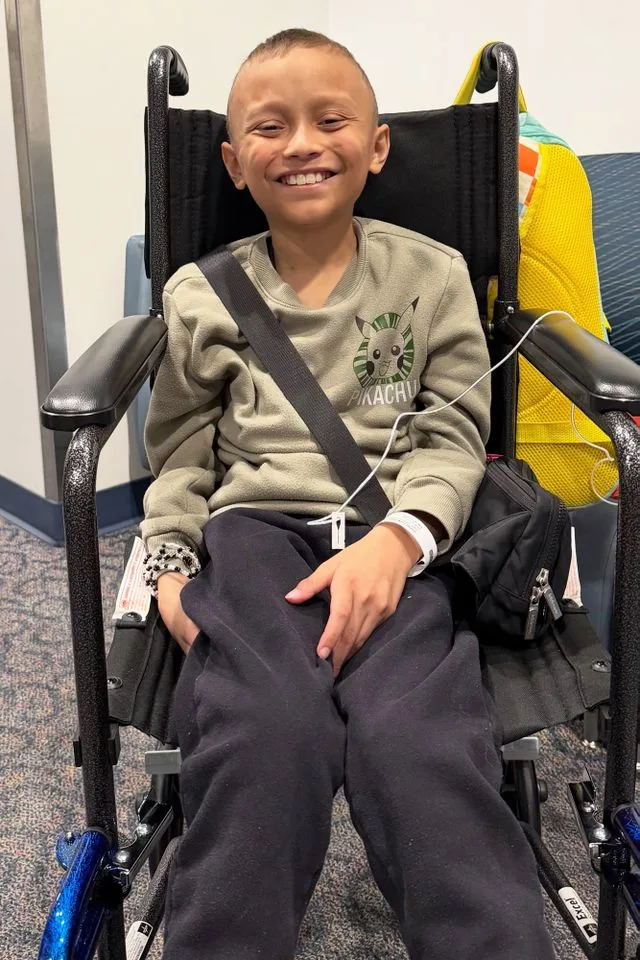
Cancer entered Avery’s life before he started school
Avery was diagnosed nearly eight years ago with pancreatoblastoma, a rare malignant pancreatic tumor found primarily in young children.
The disease is so uncommon that pancreatic tumors overall occur at an estimated rate of only about 0.46 cases per million people under age 30. Pancreatoblastoma typically appears during the first decade of life, with a median diagnosis age of about 5.
Avery was around 4 when his family’s cancer journey began.
Over the years, he underwent multiple operations and radiation treatments. His disease repeatedly returned.
He had even entered hospice twice before and survived long enough to leave it again, according to his family’s account.
That history helps explain why the words “hospice” and “no more cancer-directed treatment” carry such complicated meaning for those who have followed Avery.
His family has been here before.
They have watched situations that appeared hopeless change.
And even now, they say they continue hoping for a miracle.
But this time, scans showed what they described as “extensive progression.”
Tumors were now present in both lungs, his liver and his shoulder.
“There was always a next”
On August 27, Avery’s parents, Christian Garcia and Rebecca Rosa-Valentin, shared the update they had never wanted to write.
Despite everything doctors had tried, they said, Avery’s cancer was continuing to spread.
The family had decided to stop active cancer treatment.
For nearly eight years, they wrote, their lives had revolved around looking ahead.
There was always another treatment.
Another scan.
Another procedure.
Another idea.
Another possibility.
Now they were choosing something different.
They were choosing the present.
They described sitting together doing nothing, laughing at Avery’s jokes, opening Pokémon cards and telling him again and again that they loved him.
They also told Avery something parents of seriously ill children often struggle to put into words:
He did not have to keep being a “fighter” for them.
He did not need to smile when he hurt or perform bravery to make them proud.
Cancer, they said, had always been part of Avery’s story.
But it had never been Avery himself.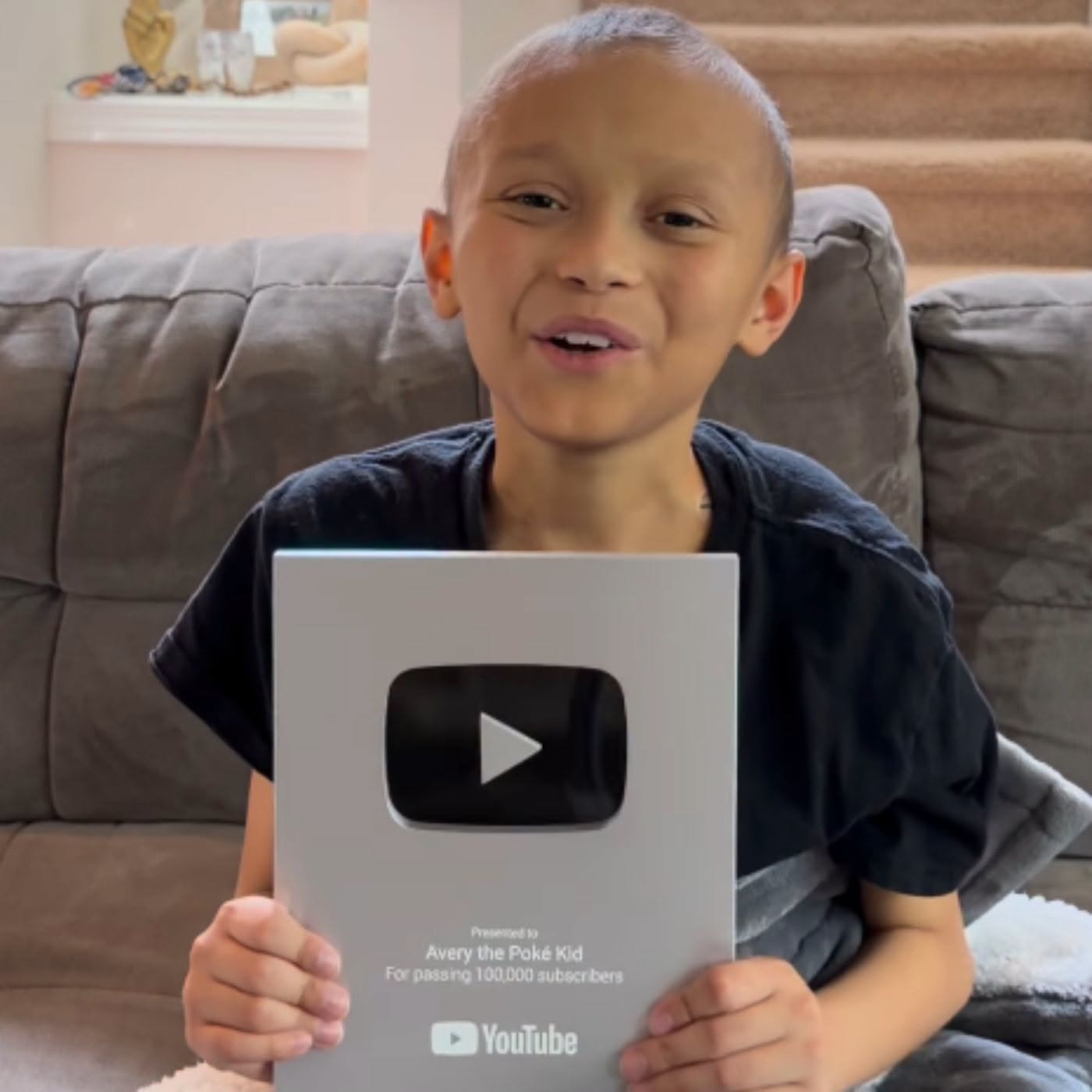
Pokémon became more than a hobby
Over roughly the past year, Avery increasingly shared another part of his identity online.
Pokémon.
Under the name Avery the Poke Kid, he opened trading-card packs, showed off pulls, joked with viewers and sometimes documented parts of his medical life.
What started around a child’s hobby grew rapidly.
Across Instagram, TikTok, Facebook and YouTube, Avery amassed more than 600,000 followers, according to reporting following his hospice announcement.
The cards provided something cancer could not entirely control.
There was always another pack to open.
Another character to chase.
Another video to make.
Another reason to look forward to tomorrow.
Avery also used his growing platform for children facing illnesses of their own.
In August, for example, he highlighted a girl named Myra who was battling an aggressive brain tumor and surprised her with an Eevee-themed gift. Avery asked Pokémon and Lego whether they might help him create similar moments for more children with cancer.
His influence within the hobby became large enough that the Trading Card Game Hall of Fame listed Avery among its Class of 2026 inductees.
But there was one milestone Avery still wanted badly.
100,000 YouTube subscribers.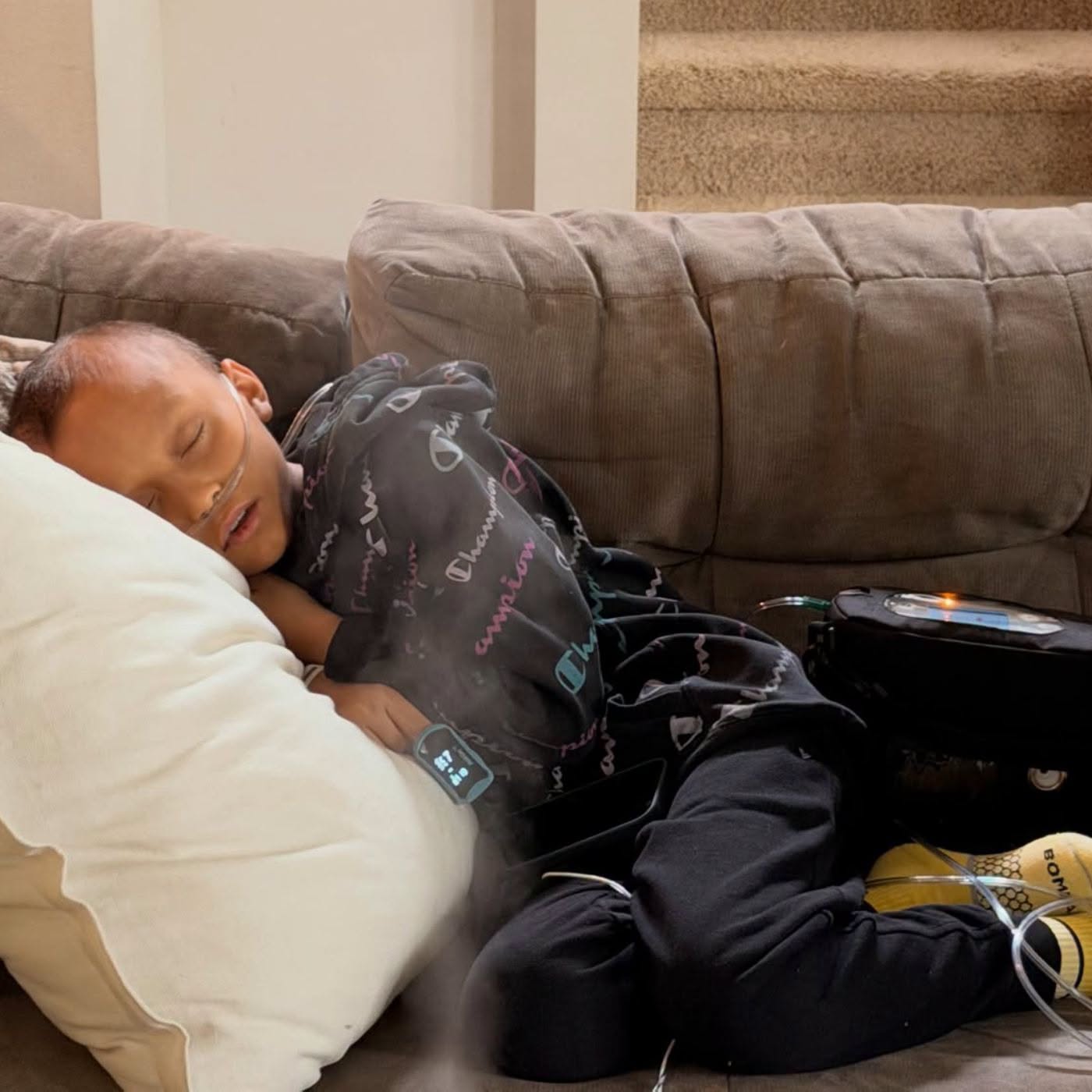
The internet decided to get him there
As Avery’s health worsened, his goal began spreading through the Pokémon community.
Creators and collectors encouraged their followers to subscribe.
One of the people Avery’s family specifically thanked was Pokémon creator RippinPokeHits, who helped generate momentum around the campaign.
The number climbed.
Then it crossed 100,000.
For a child who had spent almost two-thirds of his life dealing with cancer, this was a milestone that had nothing to do with laboratory results.
It was something Avery had chosen.
Something he had built.
Something that belonged to him.
His parents wrote that they were overwhelmed by how quickly people came together to make it happen.
Then came the physical proof.
On September 10, Avery posted a video opening his Silver Play Button.
“We did it,” the caption began.
His family thanked everyone who had helped make the moment possible.
The post drew tens of thousands of reactions and thousands of comments celebrating with him.
For most creators, a Silver Play Button is a career milestone.
For Avery, it represented something more difficult to describe.
It was evidence that hundreds of thousands of strangers had seen him as more than a sick child.
They had watched his jokes.
His cards.
His personality.
His excitement.
And when there was still one dream left within reach, they had pushed together until he could hold it in his hands.
Seven days later, the family shared another update
On September 17, Avery’s parents announced that he had entered hospice.
The newest scans showed extensive progression in his lungs, liver and shoulder.
This time, there was no next experimental plan announced.
No new treatment protocol.
No procedure around the corner.
“For now, our focus is Avery,” his parents wrote.
They said their priority was keeping him comfortable, keeping him laughing and giving him things to look forward to.
They acknowledged that they did not know what the coming days would look like or how much time the family had left together.
Hospice care does not mean that a family stops caring for a patient. It generally shifts the goal away from trying to cure or control the underlying terminal illness and toward comfort, symptom management and quality of life.
For Avery’s parents, that means something much more personal.
Being together.
Making him smile.
And making sure their son knows exactly how loved he is.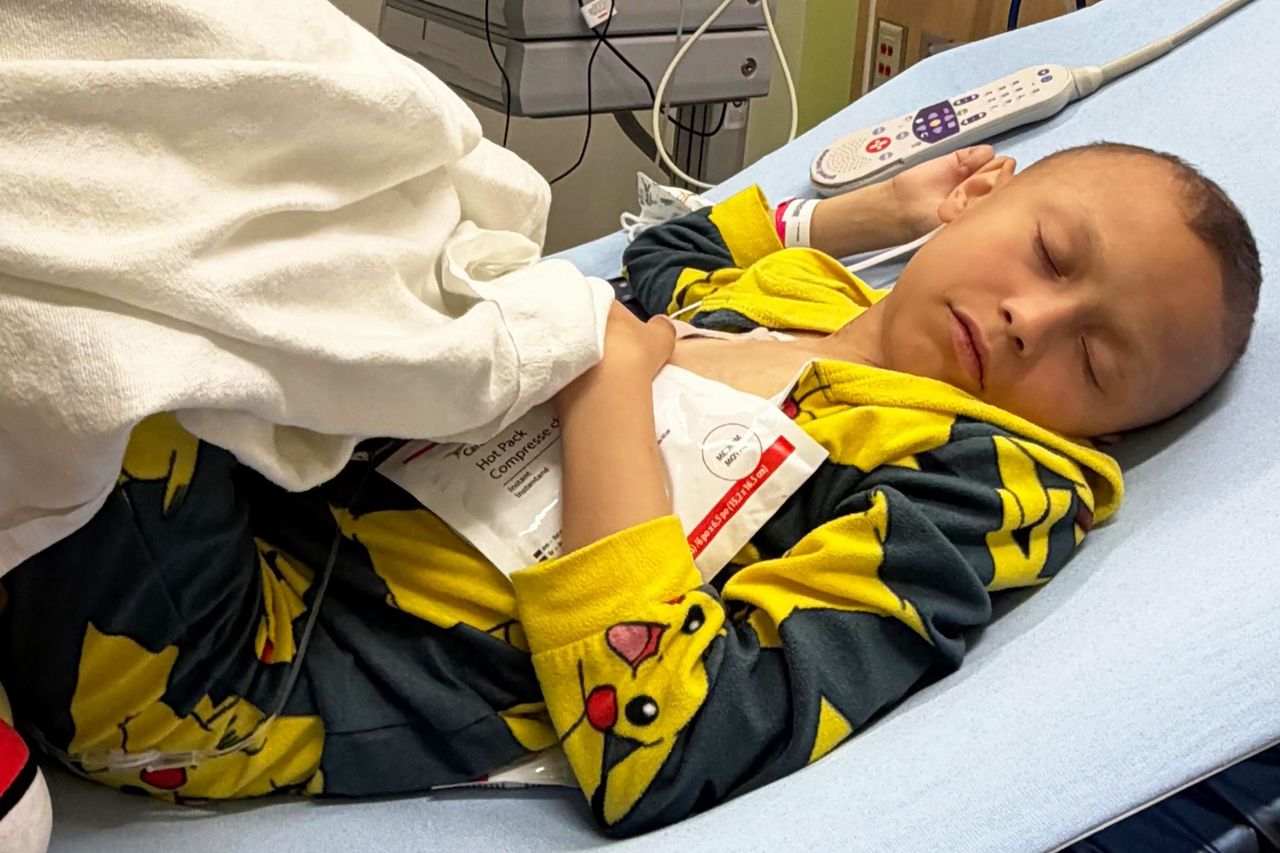
Nearly eight years of fighting — and still being Avery
Pancreatoblastoma can sometimes be treated successfully, particularly when doctors are able to completely remove the tumor. But recurrent or metastatic disease can be extraordinarily difficult, especially after multiple previous treatments.
Avery has lived with that reality since early childhood.
Cancer took him into operating rooms.
It brought radiation.
It brought frightening scans.
It brought hospice before.
But somehow, a completely different community grew around him too.
Pokémon collectors.
YouTube viewers.
People who had never met Avery but knew which cards made him excited.
People who wanted to see what he opened next.
People who helped turn an online subscriber counter into one bright spot during an unimaginably difficult period.
That may be why the timing of Avery’s Silver Play Button has affected so many people.
The community could not make the tumors disappear.
It could not promise his parents another treatment would work.
It could not tell them how much time remained.
But there was one thing it could still give him.
A dream he could actually reach.
Avery crossed 100,000 subscribers.
The award arrived.
He opened the box.
He smiled.
And one week later, when his parents told the world their son had entered hospice, they were able to look back at at least one recent moment that cancer had not taken away.
For nearly eight years, Avery’s family lived waiting for whatever came next.
Now they are trying not to.
They are opening Pokémon cards.
They are laughing at his jokes.
They are sitting beside him.
And they are telling a 12-year-old boy, as many times as necessary, that he never had to defeat cancer to make them proud.
He only ever had to be Avery.