King Charles Breaks Palace Silence After Charles Spencer’s Explosive Princess Diana Claim
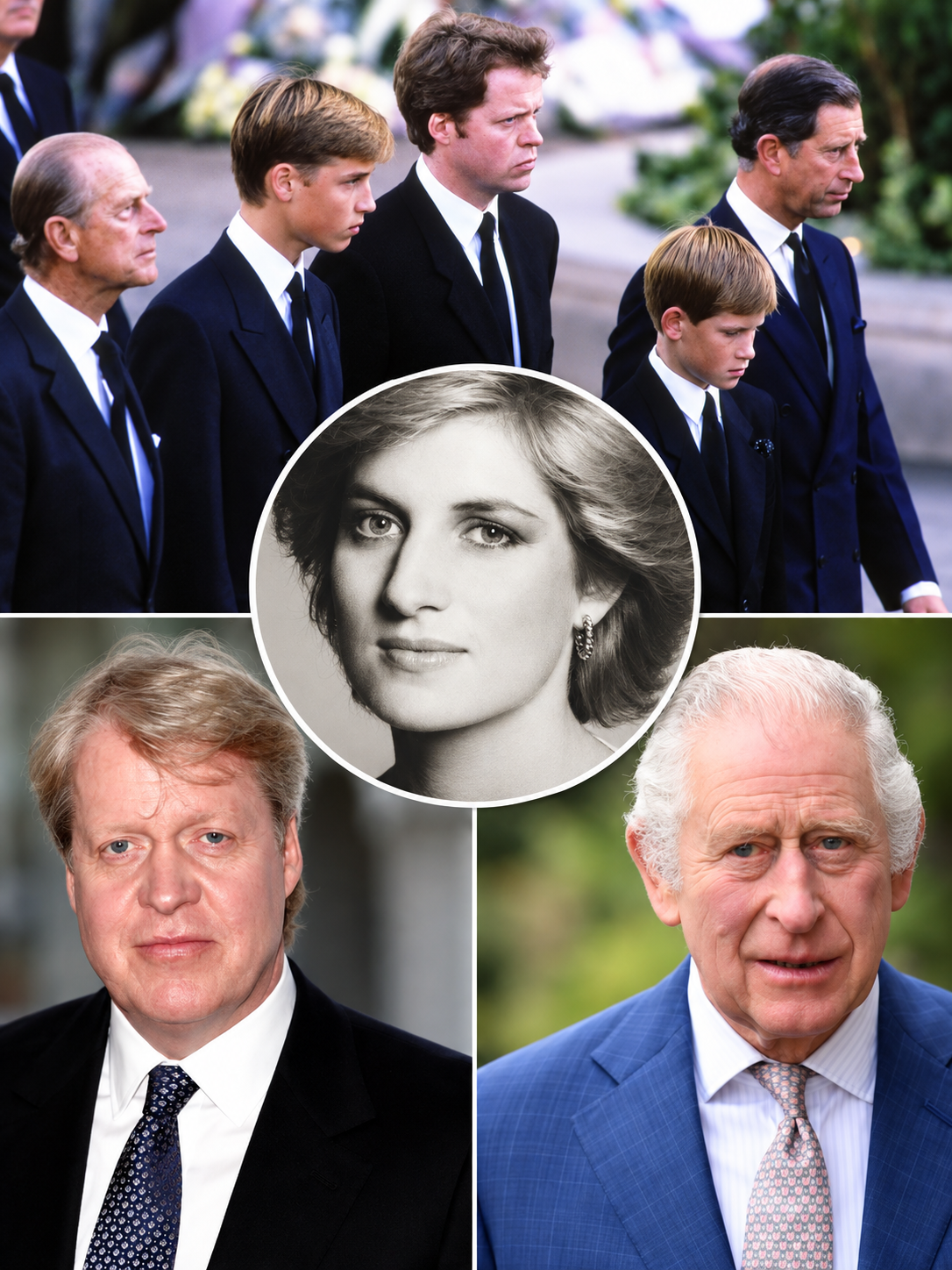
Nearly three decades after Princess Diana’s death, a private exchange from the chaotic days surrounding her funeral has become the center of a new and deeply personal dispute between her brother and King Charles.
Buckingham Palace has taken the unusual step of responding to a claim made by Charles Spencer, the 9th Earl Spencer, in his forthcoming memoir, Swan Song: Diana, My Sister. In the book, Spencer describes an angry telephone conversation with the man who was then Prince Charles shortly after Diana died in Paris on Aug. 31, 1997.
According to Spencer’s account, the discussion became increasingly heated before Charles allegedly made a striking prediction about Diana’s place in public memory.
Spencer writes that the future King told him, “We’ll forget her soon enough!”
The allegation has now prompted a rare statement from the palace, reopening questions about the emotional tensions inside Diana’s family during one of the most closely watched periods in modern royal history.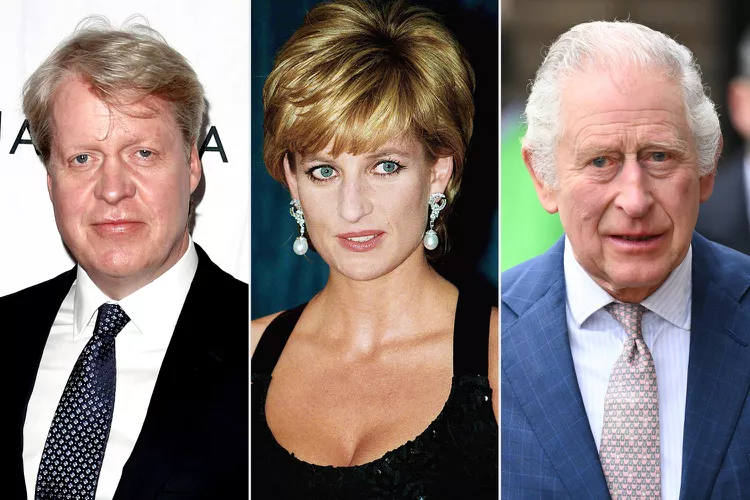
Palace Responds to Spencer’s Account
The disputed conversation appears in Spencer’s new book, scheduled for release on Sept. 22.
A preview of the memoir emerged on Sept. 16, revealing Spencer’s version of the telephone call and describing what he believed was intense anger coming from Prince Charles in the immediate aftermath of Diana’s death.
Spencer recalls allowing Charles to speak without interruption as the conversation grew tense. When Charles suddenly stopped talking, Spencer initially believed he was trying to regain his composure.
Instead, Spencer says the pause was followed by the remark that has now drawn Buckingham Palace into the controversy.
The palace traditionally avoids responding directly to claims contained in books. This time, however, a spokesperson addressed Spencer’s account shortly after it became public.
The statement said King Charles understands that the grief of losing a sibling can influence judgment and memory, even many years after the loss.
Rather than directly offering a detailed alternative version of the conversation, the palace response appeared to question how reliably Spencer remembers an exchange that occurred during an extraordinarily painful period.
The Argument Centered on William and Harry
At the heart of the reported disagreement was another decision that remains one of the most unforgettable images from Diana’s funeral: whether her two sons should walk behind their mother’s coffin.
Prince William was 15 at the time. Prince Harry was just 12.
Spencer says the debate about the boys joining the procession contributed to the argument with Prince Charles.
On Sept. 6, 1997, William and Harry ultimately walked through London behind Diana’s coffin alongside their father, their grandfather Prince Philip and their uncle Charles Spencer.
The sight of the two young princes following their mother’s funeral cortege became one of the defining images of the day.
Years later, both brothers spoke publicly about how the decision was made.
In a 2017 documentary examining the week following Diana’s death, William described the choice as a collective family decision and acknowledged that it had not been easy.
Harry later offered additional details in his 2023 memoir Spare.
According to Harry, several adults were deeply uncomfortable with the idea of the boys making the public walk. He specifically recalled his uncle Charles objecting strongly and arguing that forcing two grieving children to walk behind their mother’s coffin would be cruel.
That background gives Spencer’s new account additional emotional weight.
His disagreement with the future King, as he presents it, was not simply about royal protocol. It unfolded as the family struggled with how two children should mourn their mother while the entire world watched.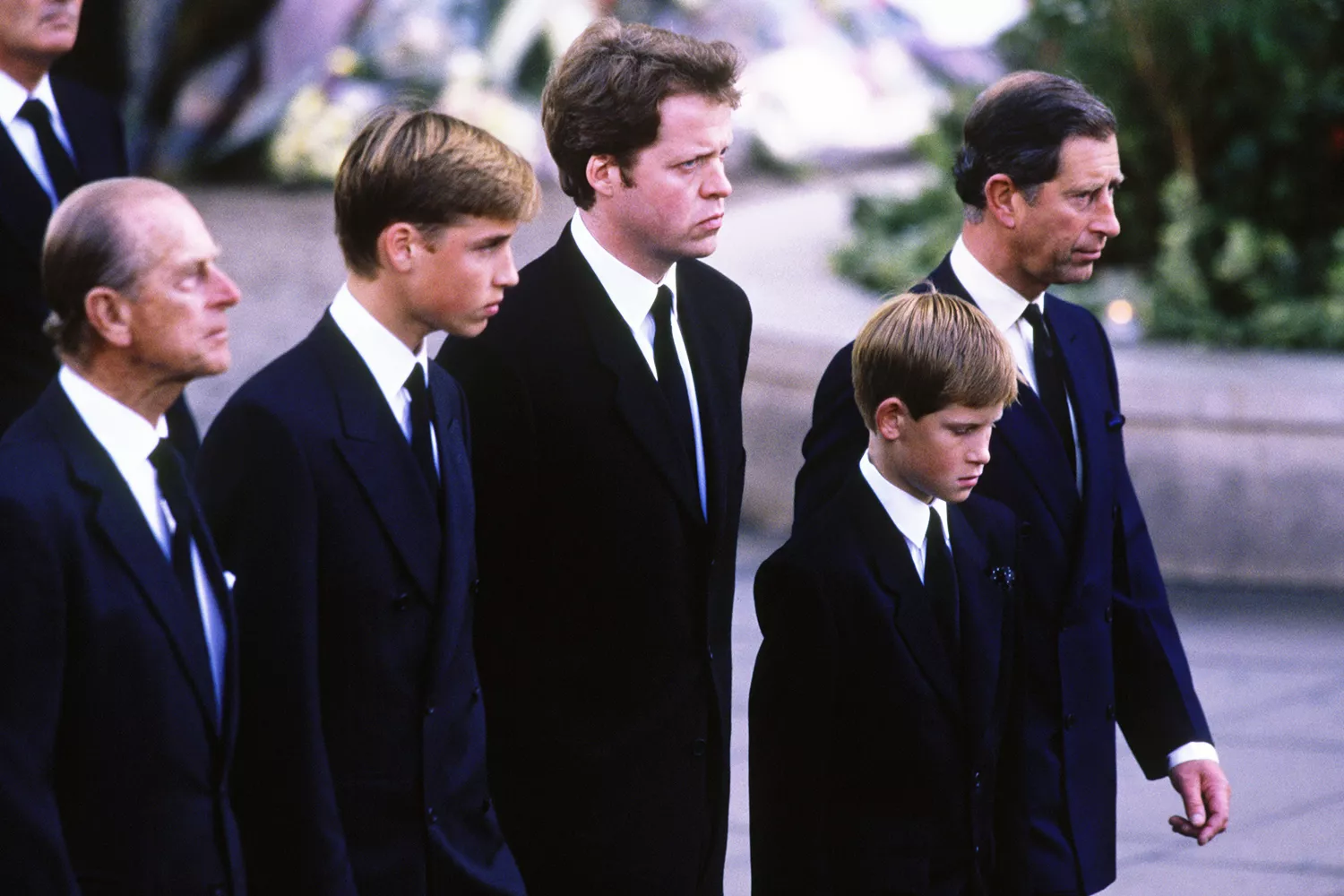
Diana’s Death Created an Unprecedented Moment
Princess Diana was 36 when she died following a car crash in Paris.
Her death triggered an extraordinary international reaction, with enormous crowds gathering to mourn her and millions following developments surrounding her funeral.
For those closest to Diana, however, the global spectacle existed alongside a private family loss.
Spencer has long positioned himself as a fiercely protective brother. His funeral eulogy became one of the most remembered speeches of the service, particularly because he spoke about protecting Diana’s sons and preserving what he believed his sister represented.
Almost 30 years later, he says his new book is another attempt to tell Diana’s story from the perspective of someone who knew her not as a royal figure or international celebrity, but as his sister.
Swan Song: Diana, My Sister marks the first time Spencer has spoken at such length about Diana in book form.
He has explained that the approach of the 30th anniversary of her death led to numerous interview requests and ultimately encouraged him to put his memories into a single account.
Spencer has described his goal as presenting what he sees as the truth about Diana from a brother’s perspective while maintaining a fundamentally positive portrayal of her.
Spencer Calls the Memoir His Most Personal Book
For Spencer, the project has clearly carried a different emotional significance from his previous writing.
After completing the audiobook recording, he described Swan Song as the most personal book he had ever written.
At its core, he said, the memoir was simply a brother’s tribute to an extraordinary sister.
Spencer added that once he completed the recording, he felt he had finally said what he needed to say. He also expressed his belief that Diana herself would have approved of the finished work.
The memoir arrives at a time when public fascination with Diana shows little sign of disappearing — making the alleged statement attributed to King Charles particularly striking.
Nearly three decades after her death, Diana remains the subject of books, documentaries, family reflections and continuing debate about her life inside and outside the royal family.
An Unusual Problem Before Publication
The book attracted attention even before the latest palace response.
Just days before publication, four copies of Swan Song: Diana, My Sister were reportedly stolen from a truck in the Netherlands.
The vehicle had been transporting books to a warehouse when the driver stopped overnight to sleep. After waking, the driver discovered that someone had broken into the truck.
Curiously, only a small number of Spencer’s memoirs were reportedly missing.
Dutch authorities were said to be investigating, while a publishing source described the circumstances as highly unusual because tight security measures had been put in place around the release.
The episode added another layer of intrigue to a memoir already expected to generate intense interest because of Spencer’s previously untold recollections.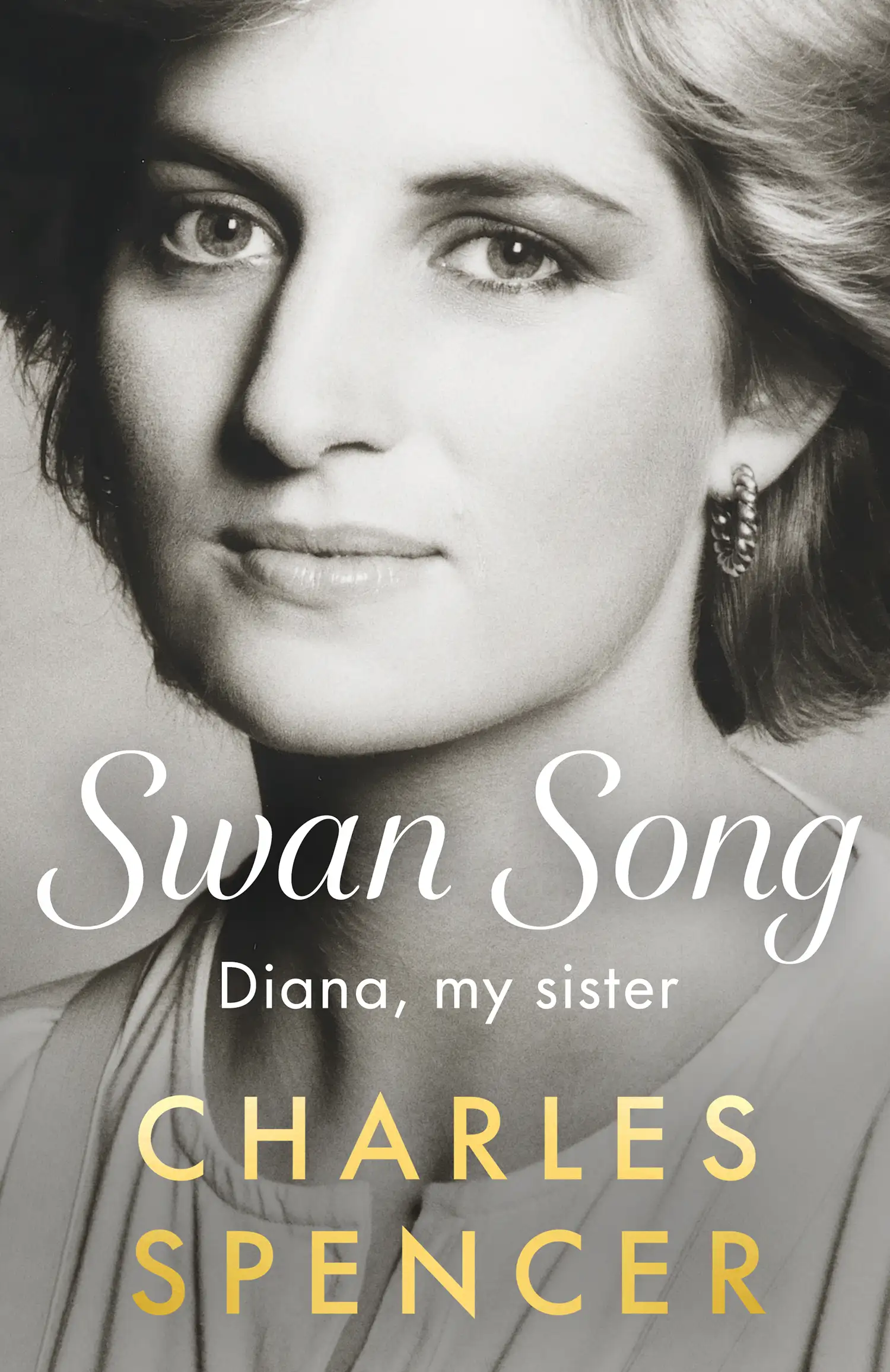
A Family Memory Still Contested Decades Later
The palace response ensures that one of Spencer’s most dramatic recollections will not pass without challenge.
Spencer presents the telephone call as a moment that revealed how strained emotions had become following Diana’s death. Buckingham Palace, meanwhile, has pointed to the effects of profound grief on memory and judgment.
What is undisputed is the extraordinary emotional setting in which the disagreement occurred.
Diana had just died. Two teenage boys had lost their mother. Her brother was grieving his sister. Her former husband was preparing for a funeral under unprecedented international scrutiny.
Almost 30 years later, the decisions, arguments and memories formed during those few days continue to resonate.
Spencer’s memoir may have been written as a personal tribute to his sister, but its revelations are once again bringing the private tensions surrounding Diana’s death into public view — and prompting the King himself to respond to a story from a family tragedy that the world has never truly forgotten.