AILEEN WUORNOS: THE PARTS OF HER STORY LEFT OUTSIDE NETFLIX’S DOCUMENTARY
AILEEN WUORNOS: THE PARTS OF HER STORY LEFT OUTSIDE NETFLIX’S DOCUMENTARY
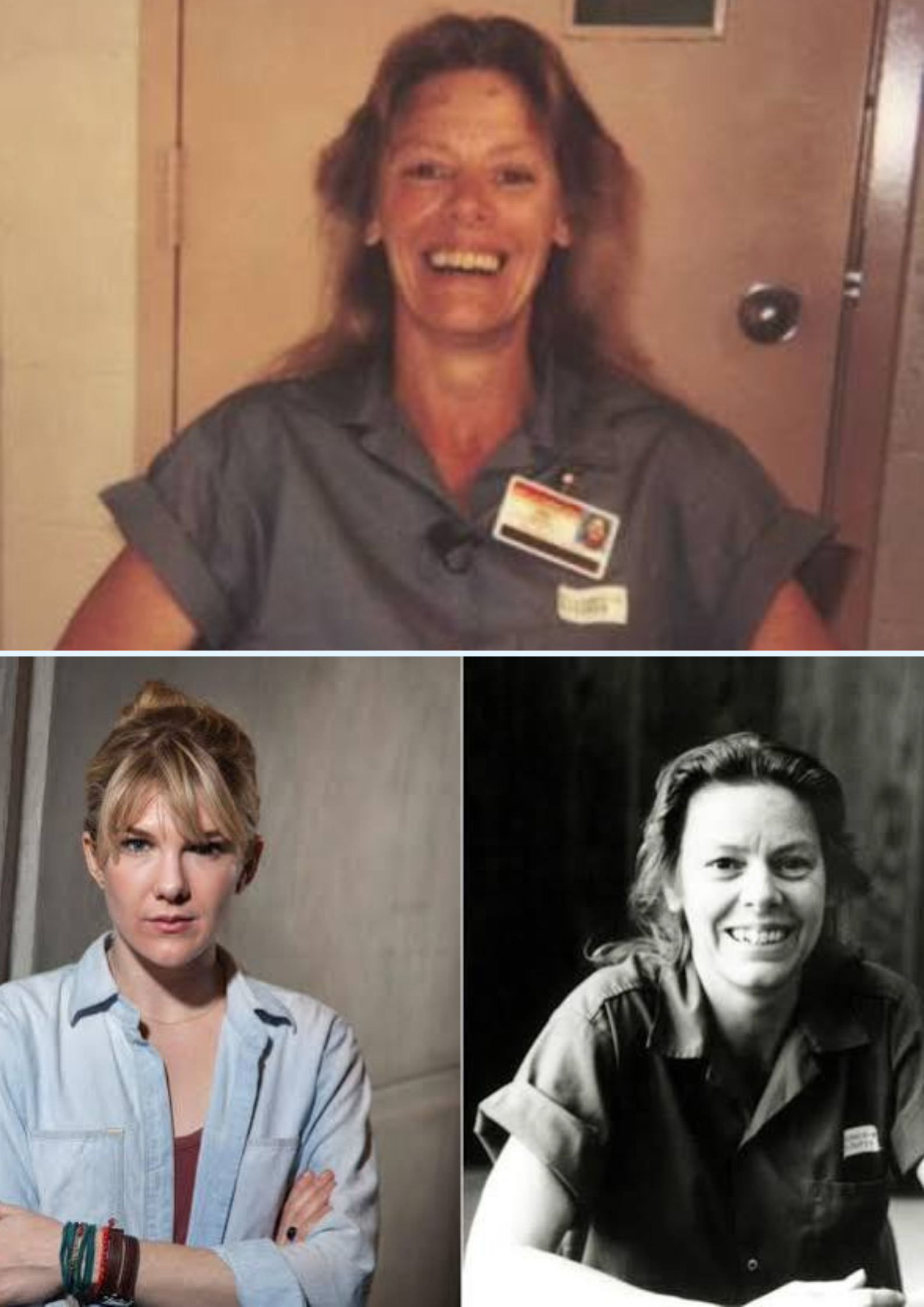
Aileen Wuornos became one of the most infamous names in American true crime, but the story of the woman behind the headlines was far more complicated than the image of the “Queen of the Serial Killers.”
Netflix’s 2025 documentary “Aileen: Queen of the Serial Killers” revisits Wuornos through archival footage, police recordings and previously unseen conversations recorded while she was on death row.
Rather than simply retelling the murders, director Emily Turner sought to examine the experiences and circumstances that shaped Wuornos — while leaving viewers to wrestle with the contradiction between the abuse she described and the violence she later committed.
But some details of Wuornos’s life received little attention or were left outside the documentary’s central narrative.
 A childhood marked by abandonment and alleged abuse
Wuornos was born in Michigan in 1956 and never had a relationship with her biological father.
Her mother abandoned her and her brother when they were young, and the children were raised by their grandparents. Wuornos later described her childhood as deeply abusive, alleging that she suffered physical and sexual abuse.
Her biological father, Leo Pittman, had been imprisoned for sex crimes against children and later died by suicide while in custody.
By her teenage years, Wuornos was already living an unstable life.
At 14, she became pregnant. She later said she had been raped, although accounts of the circumstances surrounding the pregnancy varied over the years.
She gave birth to a son in 1971, but the child was placed for adoption.
After leaving school, Wuornos spent periods living on the streets, in abandoned vehicles and in the woods. She eventually hitchhiked to Florida, where she survived through sex work and petty crime.
 The marriage that lasted only months
One part of Wuornos’s adult life that received relatively little attention in popular portrayals was her brief marriage.
In 1976, she married Lewis Fell, a wealthy yacht-club president who was considerably older than her.
The marriage was extremely short-lived.
According to biographical accounts, Fell sought an annulment after Wuornos assaulted him with his own cane. The marriage ended after only a matter of weeks.
The episode was another turbulent chapter in a life already marked by unstable relationships and repeated encounters with the law.
Tyria Moore was central to the murder case
The person who became most closely connected to Wuornos during the period of the killings was Tyria Moore.
The two women met in 1986 and eventually began living together. Moore became Wuornos’s partner during the period when she killed seven men in Florida between 1989 and 1990.
Wuornos later claimed that some of the killings were committed in self-defense.
But Moore eventually left her and cooperated with investigators.
Police arranged a series of recorded telephone conversations between the two women in 1991. During those calls, Moore encouraged Wuornos to confess, and Wuornos made incriminating statements.
Moore later testified against her at trial.
Her cooperation became one of the most important elements in the prosecution’s case.
Wuornos spent years on death row
Wuornos was convicted of murdering six men and received multiple death sentences. She later pleaded no contest to additional killings.
Her first trial centered on the death of Richard Mallory, whom Wuornos claimed had sexually assaulted her.
The Netflix documentary revisits that claim and points to records showing Mallory had previously been convicted of attempted rape and had spent time receiving treatment at a facility for sexual offenders.
The documentary does not present this information as a simple answer to the case. Instead, it leaves viewers to consider Wuornos’s account alongside the evidence used to convict her.
The cameras became part of her life
Wuornos became a media sensation long before the 2003 film Monster brought her story to an even wider audience.
Reporters followed her case closely, while television programs and filmmakers sought access to the woman at the center of one of America’s most notorious murder investigations.
But her relationship with the media became increasingly complicated.
The Netflix documentary includes recordings from filmmaker Jasmine Hirst, who spoke with Wuornos while she was on death row.
Those conversations provide a very different perspective from conventional television interviews because Wuornos is heard speaking at length without the usual layer of commentators explaining what audiences should think.
Director Emily Turner said the filmmakers deliberately relied on archival material and audio rather than traditional talking-head interviews.
Her final years were increasingly troubled
Wuornos spent more than a decade on death row before her execution.
Her mental state became an important part of the public debate surrounding her case. A&E notes that she was diagnosed with borderline personality disorder and antisocial personality disorder, while questions about her mental health continued throughout her years in prison.
She was executed by lethal injection in Florida on October 9, 2002, at the age of 46.
Her final public words became another part of the mythology surrounding her death.
But behind the sensational headlines, her final years were also marked by isolation, media attention and an increasingly complicated relationship with the people attempting to tell her story.
A complicated legacy
Wuornos’s story has repeatedly been reduced to competing labels: victim, murderer, sex worker, feminist symbol or monster.
Netflix’s documentary deliberately resists choosing just one.
Turner has said she wanted audiences to confront the contradiction rather than receive a simple explanation for Wuornos’s life.
That distinction matters because acknowledging the abuse and abandonment Wuornos experienced does not erase the fact that she was convicted of killing multiple men.
At the same time, examining her childhood, relationships and treatment by the media provides a fuller picture of the person behind one of America’s most notorious criminal cases.
More than two decades after her execution, Aileen Wuornos remains a figure whose life continues to raise difficult questions about trauma, violence, criminal justice and the way society chooses to remember infamous people.
Her story is not simply the story of the crimes that made her famous.
It is also the story of what happened long before the headlines — and what remained after the cameras turned away.