Presley Gerber’s Death Prompts Dr. Drew to Question Whether Rehab Was the Right Level of Care

Presley Gerber’s death has prompted Dr. Drew Pinsky to raise difficult questions about the kind of treatment the model had been receiving, arguing that a conventional rehabilitation facility may not have provided the level of medical supervision he needed.
Speaking on a podcast following Gerber’s death, Dr. Drew said he believed Presley would have been better treated in a psychiatric hospital rather than a luxury rehabilitation setting. His concern centered largely on the medications Presley had reportedly been taking and the complexity of managing them safely.
Presley, the son of supermodel Cindy Crawford and businessman Rande Gerber, had previously spoken publicly about his medication use. In a since-deleted Instagram video posted in 2025, he reportedly discussed taking Suboxone together with benzodiazepines.
Dr. Drew described that combination as particularly dangerous and suggested that managing several powerful medications could have been beyond what Presley should have been expected to handle without a more intensive medical environment.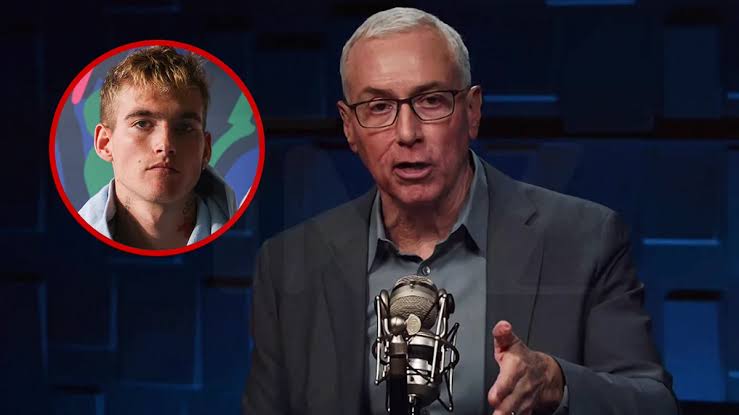
For Dr. Drew, the circumstances surrounding Presley also highlighted a much broader problem with addiction treatment.
He argued that financial resources and access to expensive facilities do not necessarily guarantee that a patient will receive the type of care best suited to his or her condition. Presley came from an exceptionally successful family, yet Dr. Drew pointed to his situation as an example of how even people with considerable resources can struggle to navigate a complicated treatment system.
His criticism extended specifically to luxury rehabilitation centers.
Dr. Drew questioned facilities that devote substantial resources to creating comfortable or impressive surroundings while, in his view, failing to place enough emphasis on direct clinical care. The debate, as he framed it, is not simply about whether someone enters treatment. It is about whether that person is placed in an environment equipped for the seriousness and complexity of what they are experiencing.
That distinction became central to his comments about Presley.
Rather than viewing rehabilitation as automatically appropriate for anyone dealing with substance-related problems, Dr. Drew suggested that some patients require hospital-level psychiatric and medical oversight. In Presley’s case, he believed such an environment could have provided closer management of medications and more intensive support.
The comments also touched on the particular pressures surrounding celebrities and people who grow up in highly visible families.
Dr. Drew said public figures struggling with addiction can face additional shame and trauma connected to fame. He referenced both Presley and actress Hayden Panettiere while discussing how celebrity can complicate substance-use problems rather than protect someone from them.
For Presley’s family, however, the discussion comes after an intensely personal loss.
The Gerber name has long been associated with fashion, entertainment and business success. Presley himself worked as a model, following his mother into an industry built around public visibility. But Dr. Drew’s comments focused on a very different side of that life: what can happen when serious personal struggles unfold behind an image of wealth and access.
His argument ultimately challenges a common assumption that the most expensive treatment option must also be the most appropriate.
Comfortable surroundings, privacy and exclusivity may make a facility attractive, but Dr. Drew’s comments emphasized that those qualities are different from medical intensity. For someone dealing with complicated medication use or significant psychiatric concerns, he believes the determining factor should be the level of clinical supervision available.
Presley’s reported medication history became the clearest example behind that argument.
Suboxone is used in the treatment of opioid addiction, while Presley had also reportedly acknowledged using benzodiazepines. Dr. Drew said the combination concerned him enough that he believed Presley needed a setting capable of providing more extensive psychiatric oversight.
The discussion therefore moved beyond one celebrity family and into a larger question about how people experiencing addiction are directed through the treatment system.
Dr. Drew’s criticism suggests that entering rehab is only one part of the equation. Determining what kind of facility a person needs — and whether that setting can appropriately manage medications, psychiatric symptoms and addiction simultaneously — can be just as important.
Presley’s death has made those questions painfully immediate.
For Dr. Drew, the lesson is not about whether Presley had people willing to help him or whether his family had the resources to seek treatment. His concern is that resources mean little when the available system does not successfully match a patient with the appropriate level of care.
That is what makes his assessment of Presley’s situation particularly striking: a young man connected to one of the most recognizable families in fashion could seemingly have access to almost anything, yet Dr. Drew believes the crucial problem may have been something far more fundamental — being in the wrong kind of treatment environment when he needed intensive medical help most.