JON VENABLES FACES ANOTHER PAROLE REVIEW AS JAMES BULGER’S MOTHER CONTINUES FIGHT FOR TRANSPARENCY
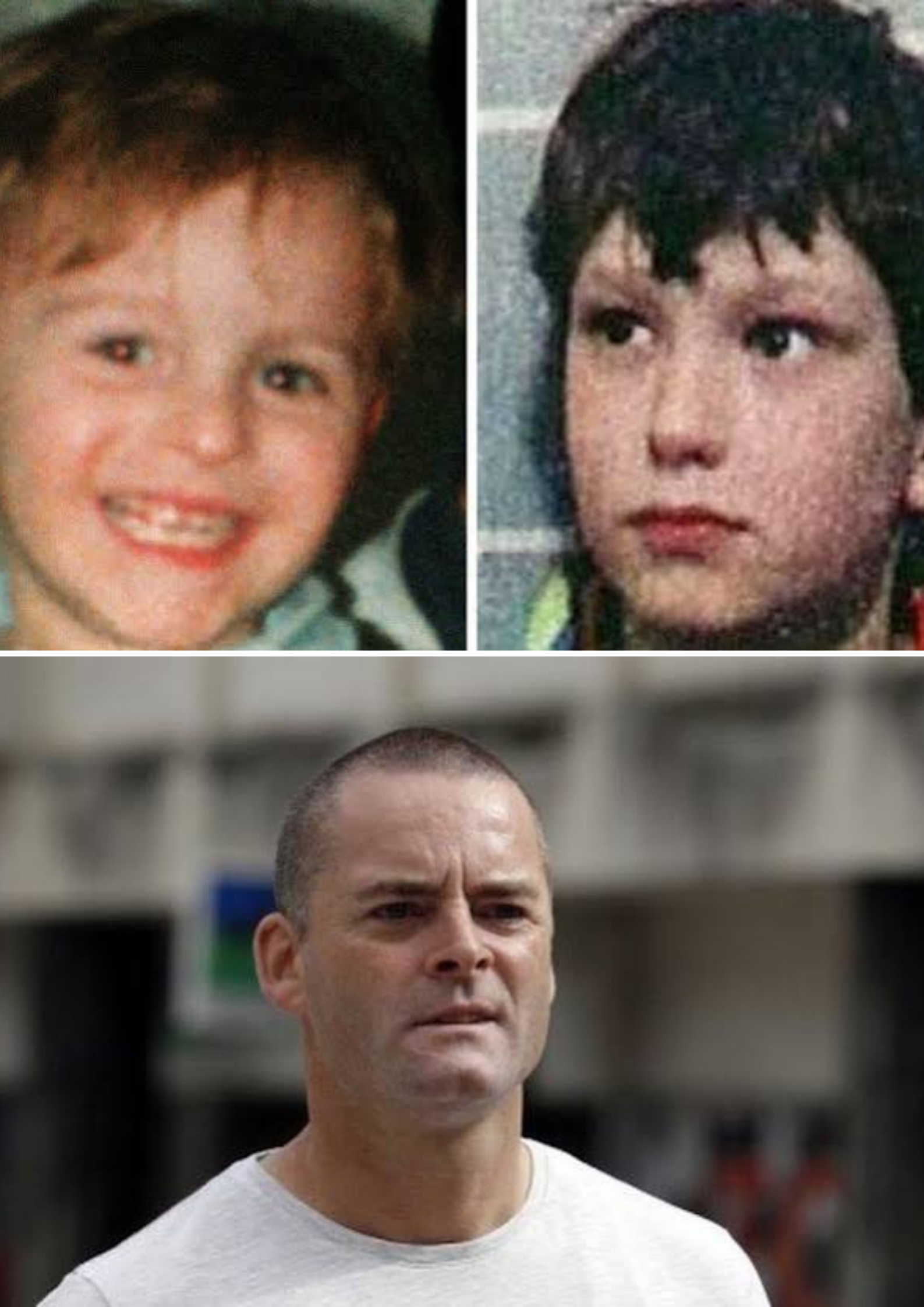
JON VENABLES FACES ANOTHER PAROLE REVIEW AS JAMES BULGER’S MOTHER CONTINUES FIGHT FOR TRANSPARENCY
LONDON — Jon Venables, one of the two boys convicted over the 1993 killing of two-year-old James Bulger, is facing another review of his suitability for release, as James’s mother continues to campaign for greater transparency surrounding his case.
Venables and Robert Thompson were convicted in 1993 for the killing of James, who was abducted from a shopping centre in Bootle, Merseyside, when he was two years old.
Because both offenders were children at the time, their identities have been protected by lifelong anonymity orders following their release from custody.
That anonymity has remained one of the most controversial aspects of the case for James’s family and members of the public.
 A CASE THAT HAS NEVER LEFT THE HEADLINES
James Bulger disappeared on February 12, 1993.
His body was discovered two days later near a railway line in Walton, Liverpool.
Venables and Thompson, both aged 10 at the time, were arrested and subsequently convicted of murder.
They became the youngest people convicted of murder in England and Wales in modern times.
After serving their custodial sentences, both were released under lifelong licence conditions and granted new identities.
Venables has since returned to prison after being recalled to custody on more than one occasion.
The details surrounding his recalls and parole proceedings have been subject to strict legal restrictions because of the need to protect his new identity.
DENISE FERGUS CONTINUES TO SEEK ANSWERS
James’s mother, Denise Fergus, has spent decades campaigning for her son to be remembered and for greater transparency surrounding the case.
She has repeatedly expressed frustration over the restrictions surrounding Venables’ identity and parole proceedings.
For Fergus, the issue is not simply whether Venables should remain in prison. It is also about what information can legally be made public and how decisions concerning his release are communicated to James’s family.
The legal protections surrounding Venables are based largely on his age at the time of the offence and the principle that offenders who committed crimes as children can eventually be rehabilitated.
Those protections, however, have remained deeply controversial because of the extraordinary circumstances of the Bulger case.
 WHY HIS IDENTITY REMAINS PROTECTED
Venables and Thompson were granted lifelong anonymity after their release.
The protection means that publishing information that could identify them can constitute a criminal offence.
Courts have repeatedly emphasized that the anonymity orders were intended to protect the men from vigilante attacks and allow them to rebuild their lives after serving their sentences.
The restrictions also apply to information connected with their new identities.
As a result, even when Venables becomes the subject of parole proceedings or legal developments, the public cannot simply be given his current name, address or other identifying details.
PAROLE DECISIONS ARE NOT MADE BY THE PUBLIC
Any decision about whether Venables should be released is made through the parole system rather than by public opinion.
The Parole Board considers whether an offender can safely be managed in the community and whether continued detention remains necessary for public protection.
Where hearings are held publicly, that does not mean every piece of evidence or personal information can automatically be disclosed.
Restrictions may remain in place to protect legally protected identities and other confidential information.
This is particularly significant in Venables’ case because of the lifelong anonymity order.
A CASE THAT CONTINUES TO RAISE DIFFICULT QUESTIONS
More than three decades after James Bulger’s death, the case continues to raise difficult questions about punishment, rehabilitation, anonymity and the rights of victims’ families.
For Denise Fergus, the consequences of the crime have never ended.
For the legal system, Venables’ case presents a different question: how should society balance public protection and the interests of victims with the principle that people who commit crimes as children can eventually be rehabilitated?
Those competing principles have been at the centre of the case for years.
Any future parole decision will therefore attract intense public and media attention, even though the information that can legally be disclosed about Venables remains restricted.
For James’s family, however, the search for answers and transparency continues.
And more than 30 years after a two-year-old boy disappeared from a shopping centre in Merseyside, the name James Bulger remains at the heart of one of Britain’s most enduring and painful criminal justice debates.