Egyptian Infant Undergoes Historic Surgery After Being Born With Rare Parasitic Twin Condition
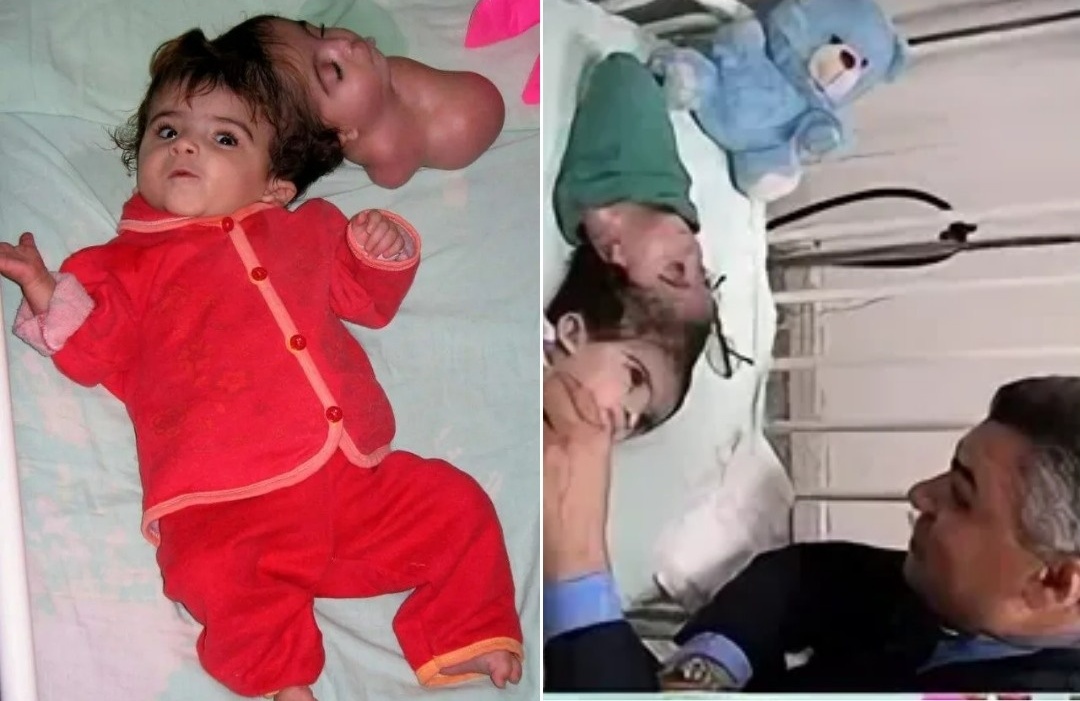
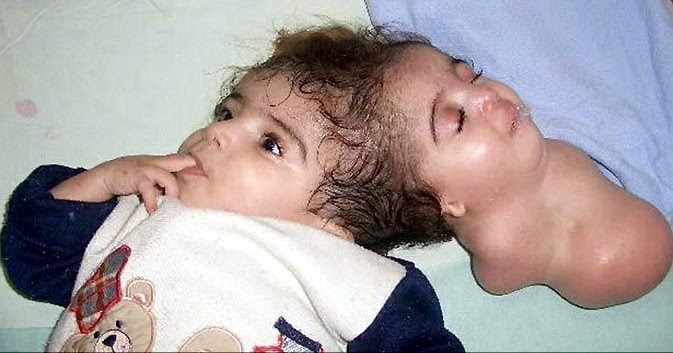
In 2004, a baby girl born in a small Egyptian town drew worldwide medical attention after arriving with one of the rarest conditions ever documented. The infant, named Lina Maged, was born with a parasitic twin attached to her skull. The second head, which the family called Ismaila, could show facial movement and response, but had no body or organs to sustain independent life.
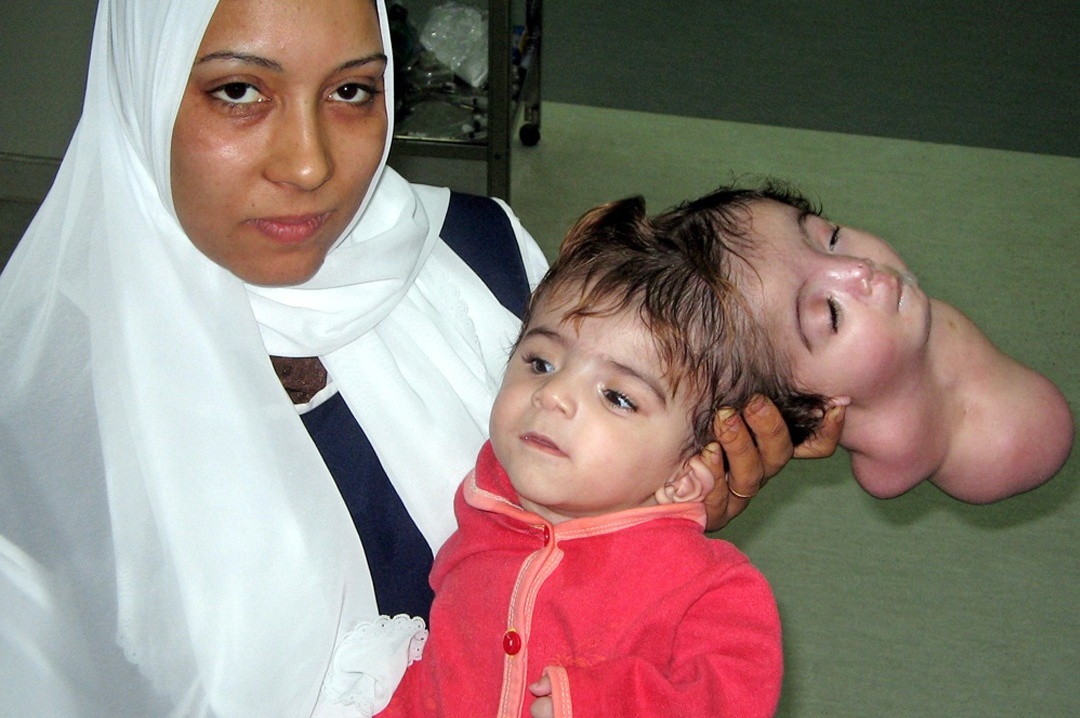
According to medical literature, cases of craniopagus parasiticus are exceptionally uncommon, with only a small number recorded globally. Specialists confirmed that Lina’s heart and bloodstream were supporting two separate brains, placing extreme strain on her body from the moment she was born.
Her parents, overwhelmed by shock and hope, said they saw two lives when they looked at their daughter. “When I held her for the first time, I did not see something frightening,” her mother shared. “I saw my child trying to live.”
Her father expressed how difficult the early days were. “We were told her chances were very low. But we believed she deserved every effort available,” he said.
By early 2005, a large team of Egyptian surgeons organized an unprecedented medical procedure aimed at saving Lina’s life. The operation lasted about 13 hours and required specialists to separate vessels, tissue, and nerves that had developed in complex and unusual patterns.
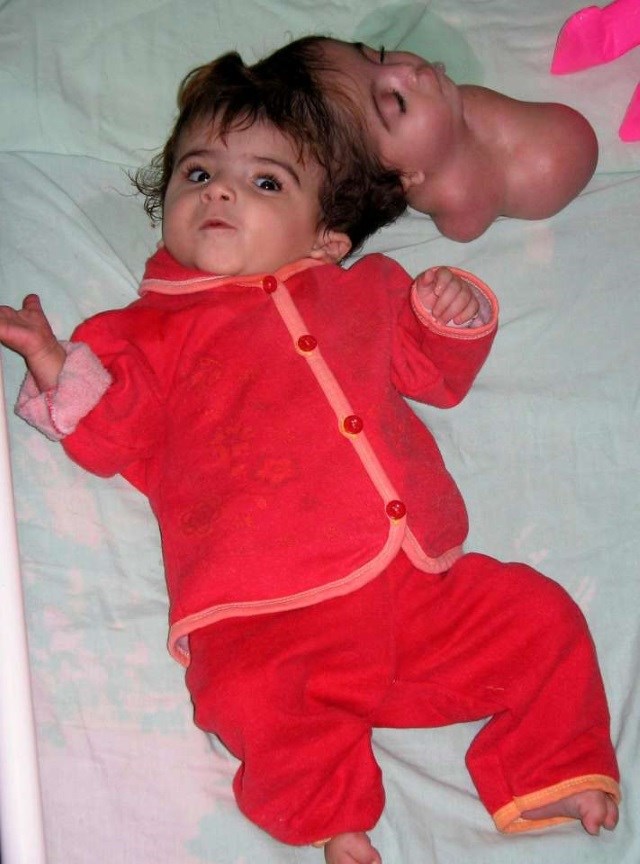
Following the surgery, the medical team reported a successful separation. The procedure was described at the time as a milestone in pediatric neurosurgery and became a subject of global interest. Lina initially recovered, giving her family hope for the future.
However, despite intensive care, Lina passed away weeks later due to complications linked to the strain her body endured before and after the operation.
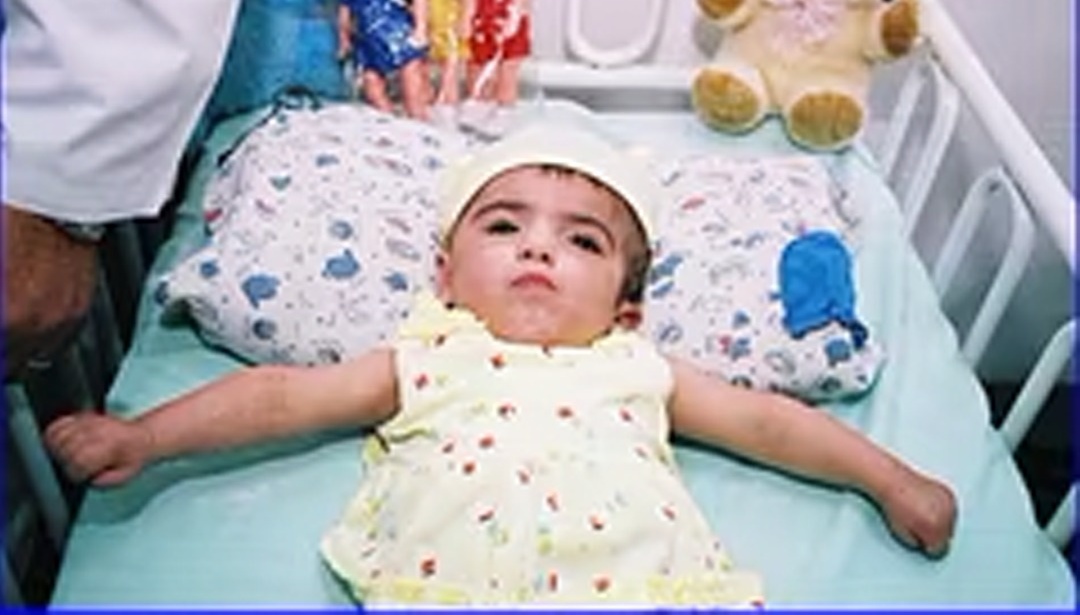
Her parents later described their daughter not as a medical anomaly, but as a child who changed perceptions. “Lina taught people to look beyond fear,” her father said. “She showed that every life deserves respect, no matter how rare the condition is.”
Lina’s story continues to be referenced by researchers studying parasitic twins, early brain development, and complex neonatal surgery. Her brief life remains a significant chapter in modern medicine—a reminder of scientific progress, ethical challenges, and the emotional strength of families facing the unknown.