THE IMPOSSIBLE MORAL DILEMMA: REALITY VERSUS REASON IN EXTREME SITUATIONS

THE IMPOSSIBLE MORAL DILEMMA: REALITY VERSUS REASON IN EXTREME SITUATIONS
If the person you are secretly dating tells you they want their spouse dead, what do you actually do? This goes beyond standard relationship issues like infidelity or marital unhappiness. When a conversation shifts toward murder, the entire dynamic fundamentally changes.
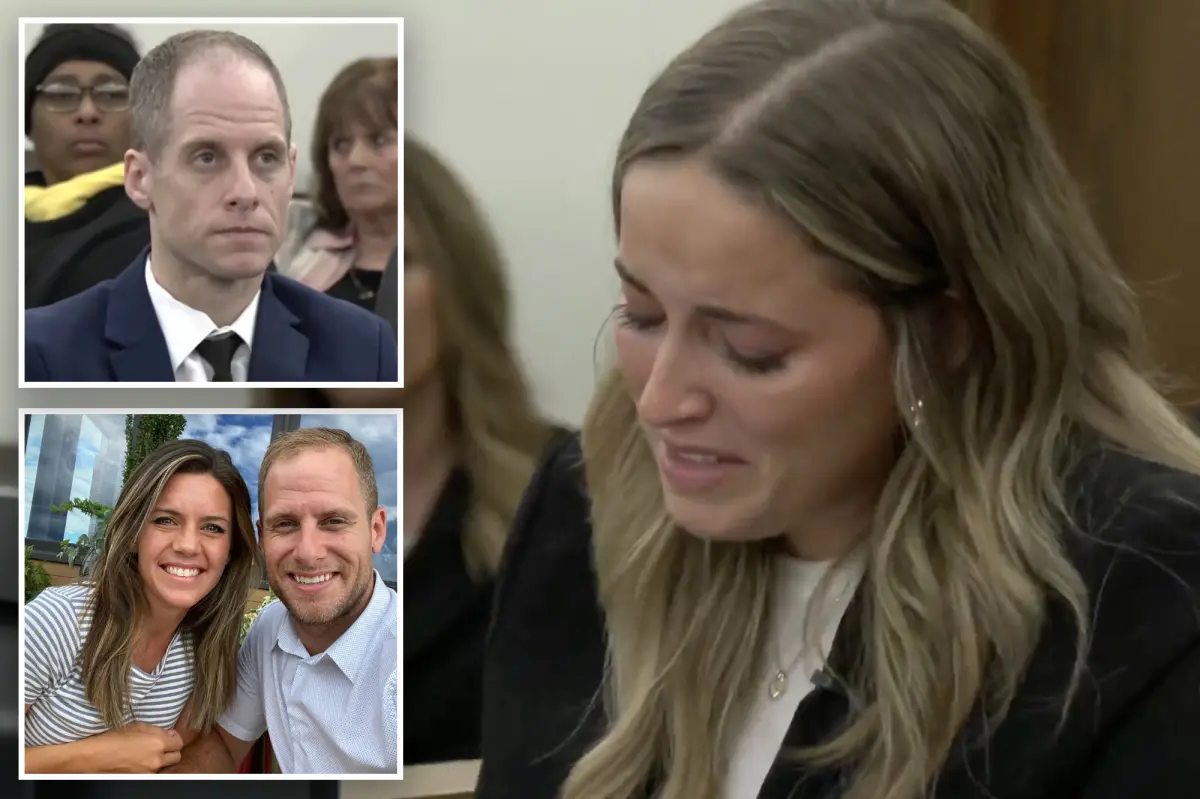
Imagine receiving those messages yourself. Do you immediately contact the police, alert the spouse, notify family, or confront the person directly? Do you assume it is merely venting born out of anger, or do you walk away to avoid getting involved? The core issue is that you might never know whether the threat is genuine. Making an unfounded accusation risks destroying a life, yet ignoring a real threat could lead to fatal consequences.

This scenario raises a complex moral question: what obligation does one have upon receiving such information? It is easy to claim that contacting the authorities is the obvious answer. However, real-life circumstances complicate these decisions. Consider a young adult who is emotionally invested, deeply attached, and repeatedly reassured that the marriage is ending. In that position, recognizing that someone you love is capable of violence is far from straightforward. Many would rationalize the statements as mere frustration, dismiss the gravity of the words, or freeze out of fear of the potential fallout.