THE IMPOSSIBLE SURGERY: JANE TODD CRAWFORD AND THE BIRTH OF MODERN ABDOMINAL MEDICINE
THE IMPOSSIBLE SURGERY: JANE TODD CRAWFORD AND THE BIRTH OF MODERN ABDOMINAL MEDICINE
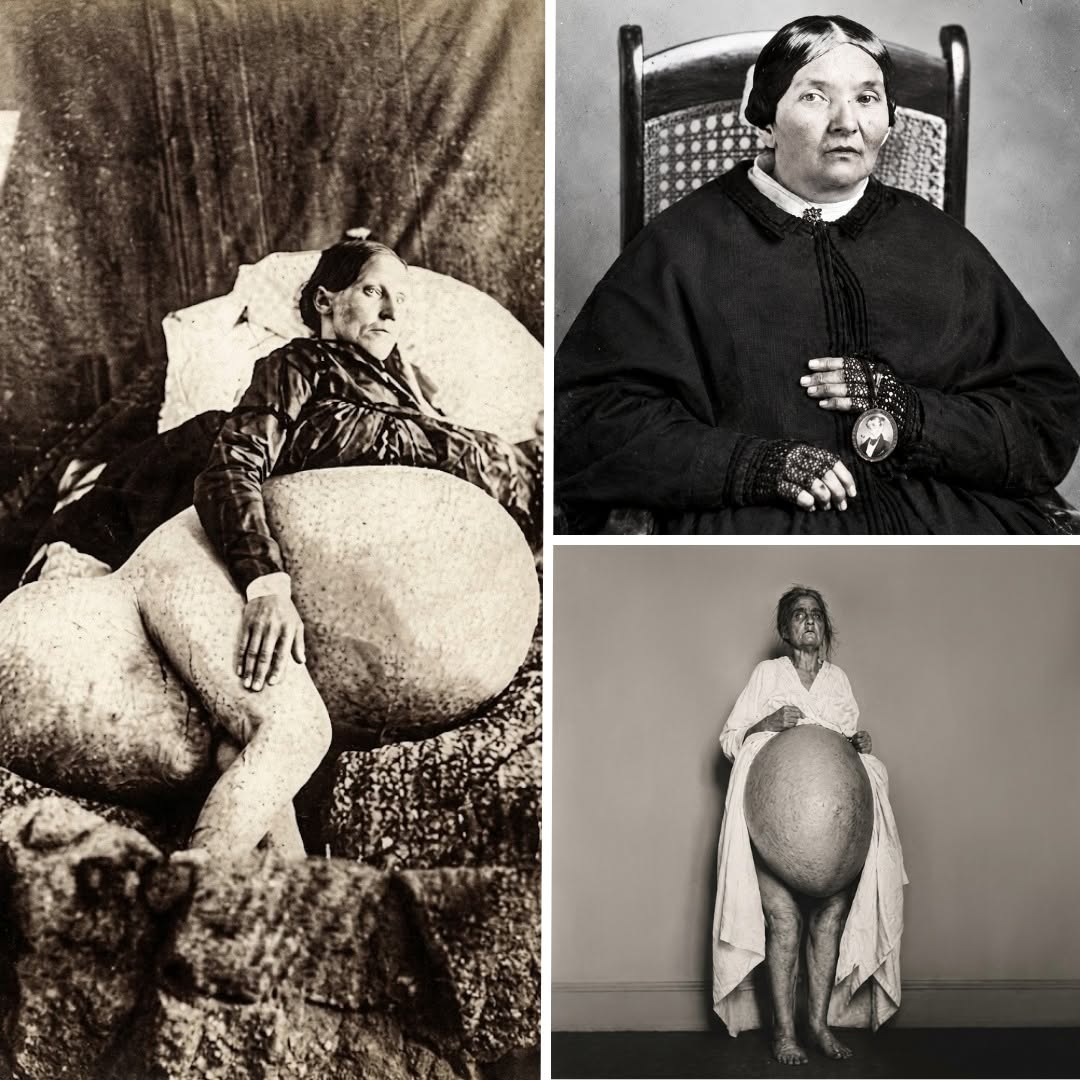
In 1809, Jane Todd Crawford of Green County, Kentucky, believed she was carrying twins. Instead, her severely enlarged abdomen housed a massive ovarian tumor weighing roughly 22.5 pounds. With no precedent for successful treatment, removing it seemed like an impossible challenge.
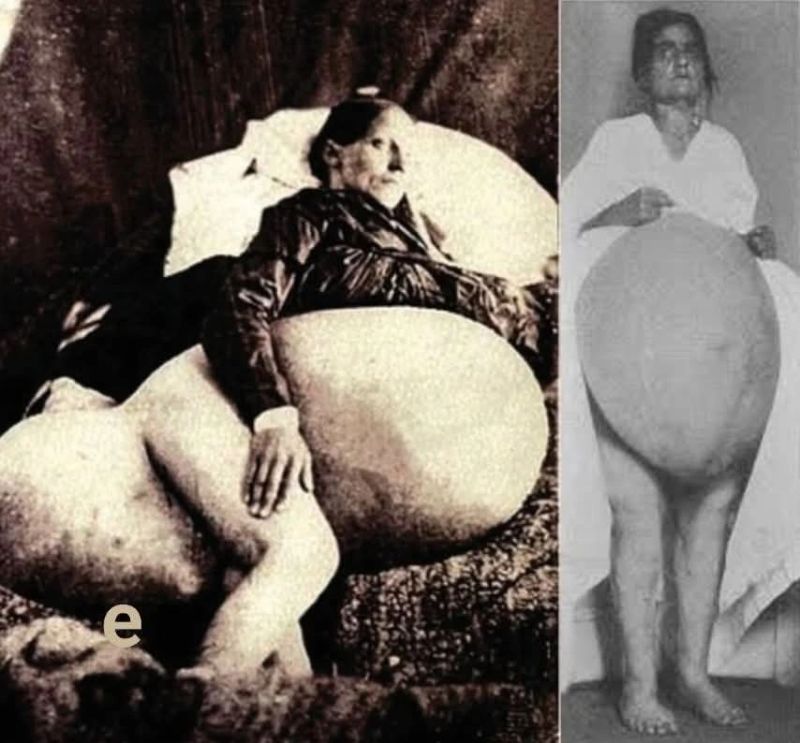
Her condition was evaluated by Ephraim McDowell, a young surgeon from Danville. McDowell recognized the growth as an ovarian cyst and proposed an extraordinary solution: abdominal surgery. At the time, such an operation was considered nearly fatal due to the lack of anesthesia, antibiotics, and modern antiseptic techniques. Knowing the immense risks, Jane agreed to the procedure.
She then endured a grueling 60-mile ride on horseback to reach McDowell’s practice. On Christmas morning in 1809, McDowell operated without anesthesia. He removed 15 pounds of gelatinous material before detaching the remaining 7.5-pound sac. The entire procedure took about 25 minutes.
Against all medical expectations, Jane survived. Five days later, she was already up and making her bed, and within a month, she returned home. She lived for another 32 years, passing away in 1842. Her survival transformed McDowell’s operation into the first known successful ovariotomy, proving that entering the human abdominal cavity did not mean certain death.
While McDowell’s pioneer legacy is historically complex due to his subsequent operations on enslaved women without true consent, Jane’s remarkable endurance remains a crucial cornerstone in surgical history. She was the brave patient who took the risk, endured the impossible, and demonstrated that abdominal surgery could save lives.