Nolan Wells Case: Head Injury, Deleted Snapchat Messages and Unanswered Questions After Grand Jury Decision
Nolan Wells Case: Head Injury, Deleted Snapchat Messages and Unanswered Questions After Grand Jury Decision
Nearly three months after 18-year-old Nolan Xavier Wells disappeared during a Fourth of July trip to Mississippi’s Horn Island, questions about his final hours remain unresolved.
A Jackson County grand jury recently declined to bring criminal charges, finding no credible evidence that the people who traveled to and from the island with Wells committed criminal conduct connected to his death. The panel said the circumstances surrounding the location and condition of Wells’ body were consistent with drowning.
But the grand jury also acknowledged an important limitation: both the Mississippi chief medical examiner and an independent forensic pathologist listed Wells’ cause and manner of death as undetermined, with drowning described as a diagnosis of exclusion.
That distinction has become central to the continuing dispute between Wells’ family and Mississippi authorities.
A Bruise on the Back of Wells’ Head
Wells’ autopsy documented bruising on the back of his head.
The grand jury concluded that the injury was not fatal. Its report said one witness described seeing Wells slip awkwardly from the side of a boat around the time he was last seen, although the witness could not determine whether his head struck the boat.
The same witness said Wells continued socializing afterward and did not appear to be injured.
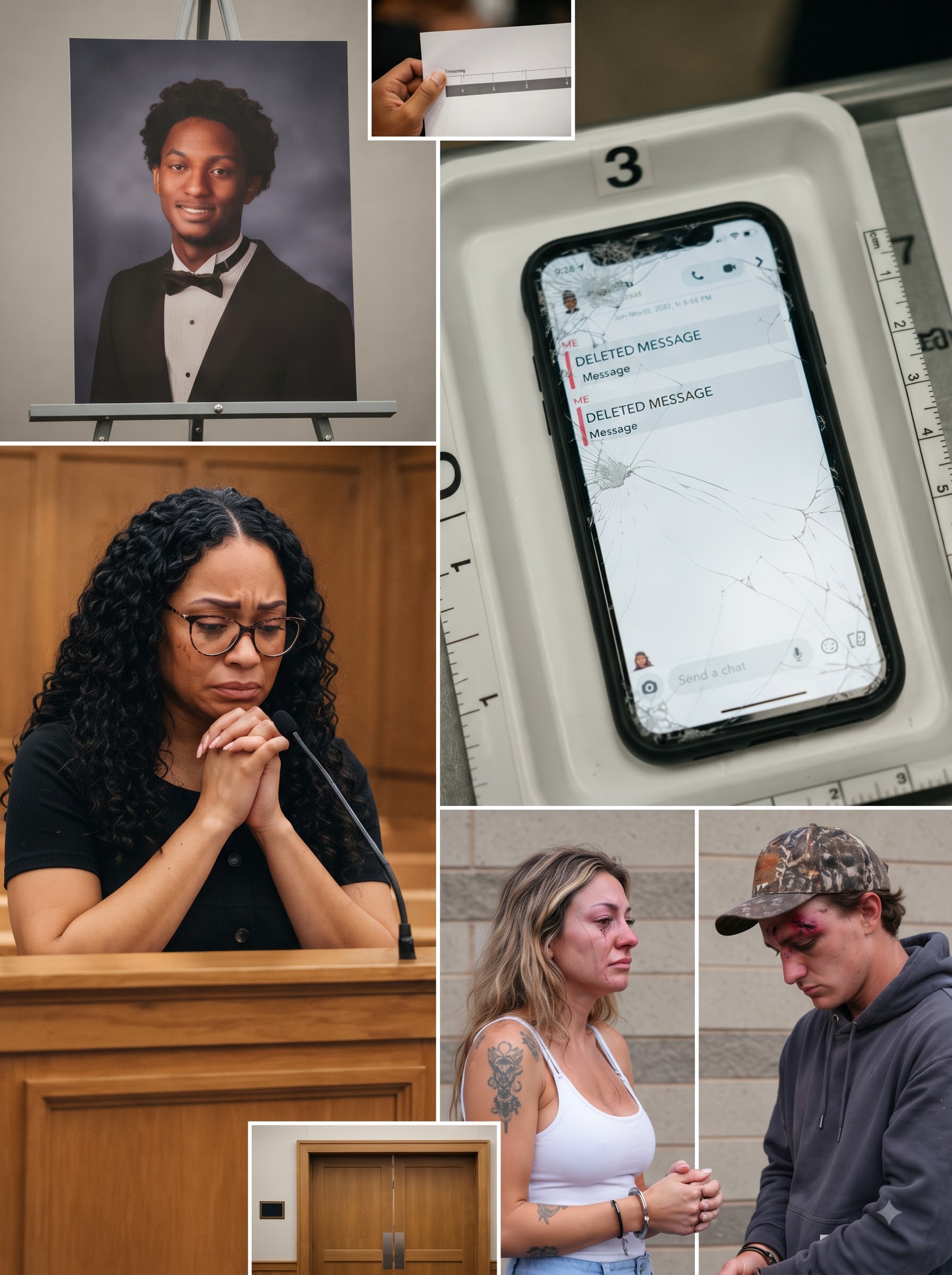
Wells’ family and attorney Ben Crump have nevertheless continued to question the significance of the injury.
An independent examination also documented unexplained trauma to Wells’ head, but neither examination established that the injury caused his death.
The “No Water” Finding
Another major point of dispute involves the condition of Wells’ body.
According to information released by his family’s legal team, the official autopsy found no liquid in his stomach or airways. Family attorney Liza Park argued that the finding raised questions about the drowning conclusion.
However, the absence of water in those areas does not by itself prove that Wells did not drown.
Forensic experts have emphasized that drowning can be difficult to establish after death and is often diagnosed by excluding other causes. The grand jury report specifically acknowledged that neither medical examiner ruled out accidental drowning.
As a result, the medical evidence has not produced a definitive alternative cause of death.
What the Phone Evidence Shows
Digital evidence has also become a major part of the family’s effort to obtain further answers.
A forensic examination of Wells’ cellphone recovered hundreds of pages of Snapchat conversations and location information. According to the forensic team, some Snapchat messages had been deleted or recalled.
But there is an important clarification.
Digital forensic examiner Andrew Garrett later said he was not claiming that someone physically unlocked Wells’ phone after his disappearance and manually erased messages.
Instead, he explained that Snapchat allows one participant in a conversation to remotely delete or recall messages from the other person’s device. Garrett said that occurred in some of the recovered conversations, but he could not determine the intent behind those deletions.
That distinction matters because the available evidence does not establish that someone accessed Wells’ locked phone after he disappeared and deliberately erased evidence.
The Phone’s Journey Raised Questions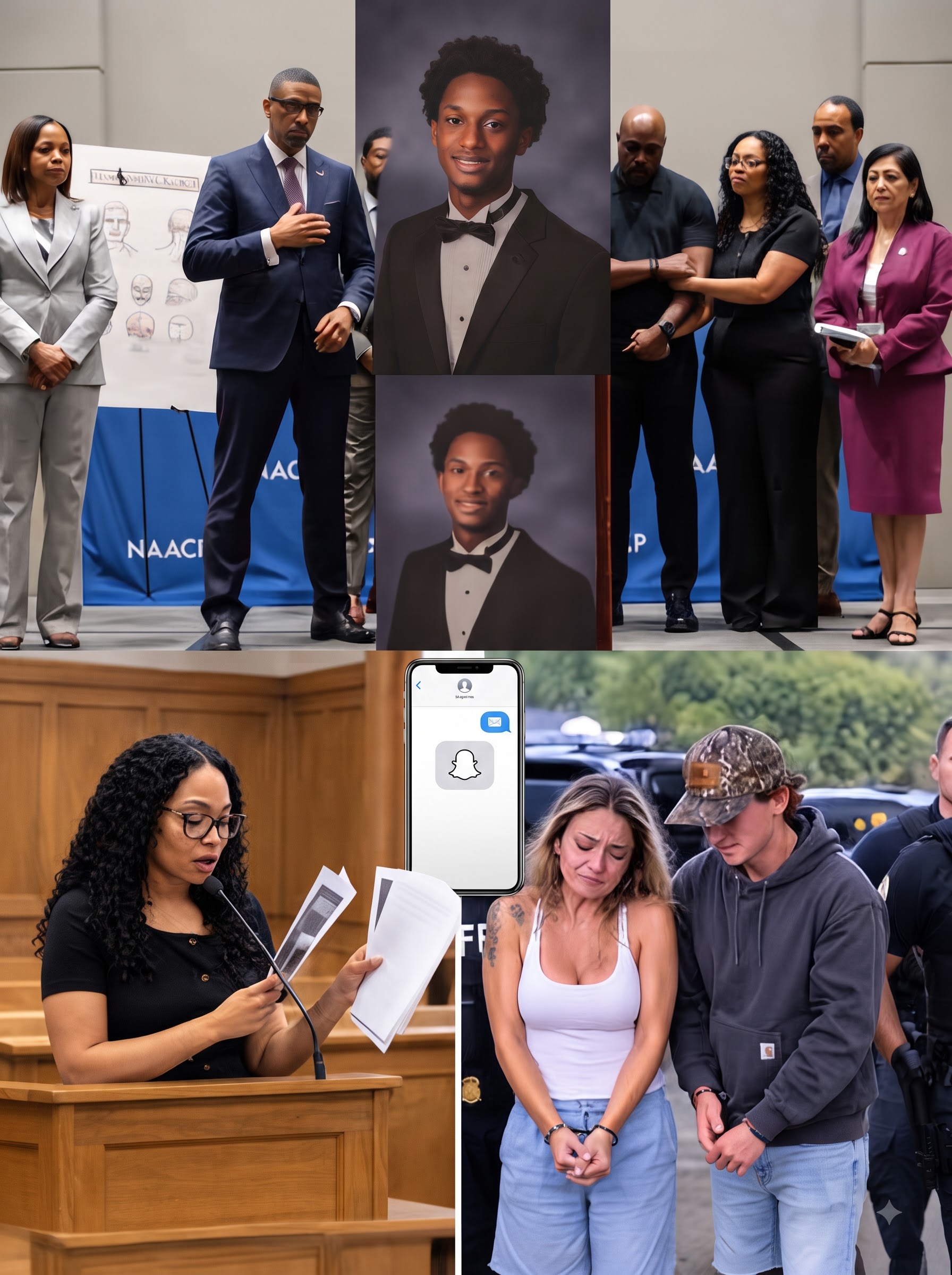
Wells’ phone was recovered after his friends returned to the mainland.
The forensic examination tracked the device as it traveled away from Horn Island. Investigators also determined that Wells’ phone had last been unlocked while on a boat at approximately 2:17 p.m. on July 4.
The grand jury reviewed the cellphone evidence along with physical evidence, police reports, interviews, videos, photographs and maps.
The panel ultimately concluded that it was not unusual for people to return from Horn Island on boats different from the ones they used to arrive, or for personal belongings such as phones to be left on another boat.
Wells’ family continues to question the circumstances surrounding his phone and why he remained on the island after the others left.
The Grand Jury Did Not Find Evidence of Criminal Conduct
The case drew intense national attention, particularly because Wells was Black and the friends who traveled with him were predominantly white.
Civil rights attorney Ben Crump has argued that the investigation should receive further scrutiny and has called for federal involvement.
Jackson County District Attorney Angel Myers McIlrath has defended the investigation and the grand jury’s decision. The grand jury unanimously declined to indict anyone and said it found no credible evidence of criminal conduct connected to Wells’ death.
The grand jury also found no evidence that Wells was involved in a physical altercation on July 4.
Its findings therefore do not establish that Wells was murdered, but they also do not provide a definitive medical explanation for how he died.
The Mystery Has Not Produced a Definitive Answer
Wells disappeared after traveling to Horn Island for a Fourth of July gathering. His body was found on July 6.
Months later, the central question remains the same: what happened to Nolan Wells during the final hours before his body was discovered?
The grand jury found insufficient evidence for criminal charges. Medical examiners have listed the cause and manner of death as undetermined. And the family continues to challenge aspects of the investigation and seek additional scrutiny.
The available evidence leaves several issues open to interpretation — including the significance of the head injury, the circumstances surrounding Wells’ disappearance from the island, and the meaning of the deleted Snapchat messages.
For now, none of those issues has established that a crime occurred.
And despite months of investigation, the precise circumstances of Nolan Wells’ death remain unresolved.