Christa Pike’s Arms Reportedly Swollen and Blistered After Failed Execution Attempt
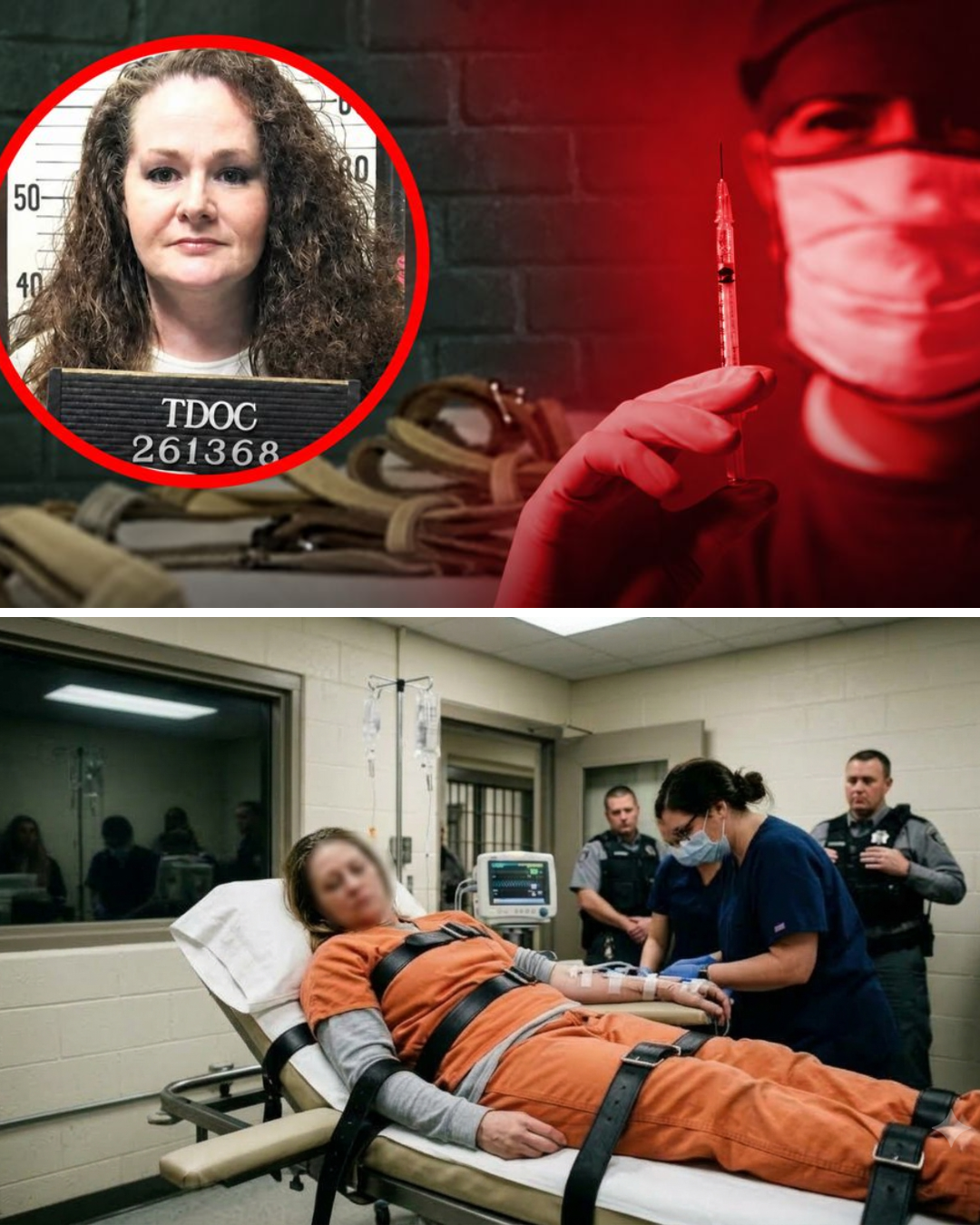
Christa Pike’s Arms Reportedly Swollen and Blistered After Failed Execution Attempt
Christa Pike’s lawyers say the death-row inmate suffered severe injuries to both arms during Tennessee’s failed execution attempt, as they seek clemency and an investigation into what went wrong.
Christa Pike remains critically ill, unconscious and on a ventilator days after Tennessee attempted to execute her by lethal injection, according to her attorneys.
The 50-year-old death-row inmate was administered two doses of pentobarbital during the September 30 execution attempt. The drugs did not result in her death, and she was eventually transported to a Nashville-area hospital for emergency medical treatment.
Now, new details from her legal team describe significant injuries to both of Pike’s arms.
Lawyers Say Her Arms Were “Swollen, Burned and Blistered”
According to a court filing cited by multiple news organizations, Pike arrived at the hospital with both arms swollen, burned and blistered.
Her attorneys allege that problems with the intravenous lines caused some or all of the pentobarbital to enter tissue rather than properly entering her bloodstream.
They further allege that the execution team failed to recognize the problem before administering a second dose of the drug.
An anesthesiology expert retained by Pike’s defense team has also said that leakage of pentobarbital into surrounding tissue could explain the reported burns. The expert emphasized that the full extent of Pike’s injuries remains uncertain.
The allegations have led Pike’s attorneys to describe the experience in extraordinarily harsh terms, including as “cruel and torturous.”
Those statements represent the legal team’s characterization of the incident, not a final finding by an independent investigation.
Pike Remains on a Ventilator
Pike’s attorneys said Friday that she remained unconscious and on a ventilator while hospital staff worked to treat the effects of the pentobarbital and save her life.
They have also raised concerns about possible oxygen deprivation and other complications resulting from the prolonged execution attempt. The extent of any lasting neurological or organ damage has not been publicly established.
The execution attempt reportedly lasted more than an hour as officials struggled to administer the lethal drugs. Pike’s attorney Randy Spivey, who witnessed the procedure, said he counted at least seven needles being inserted into her left arm.
Tennessee Says Its Protocol Was Followed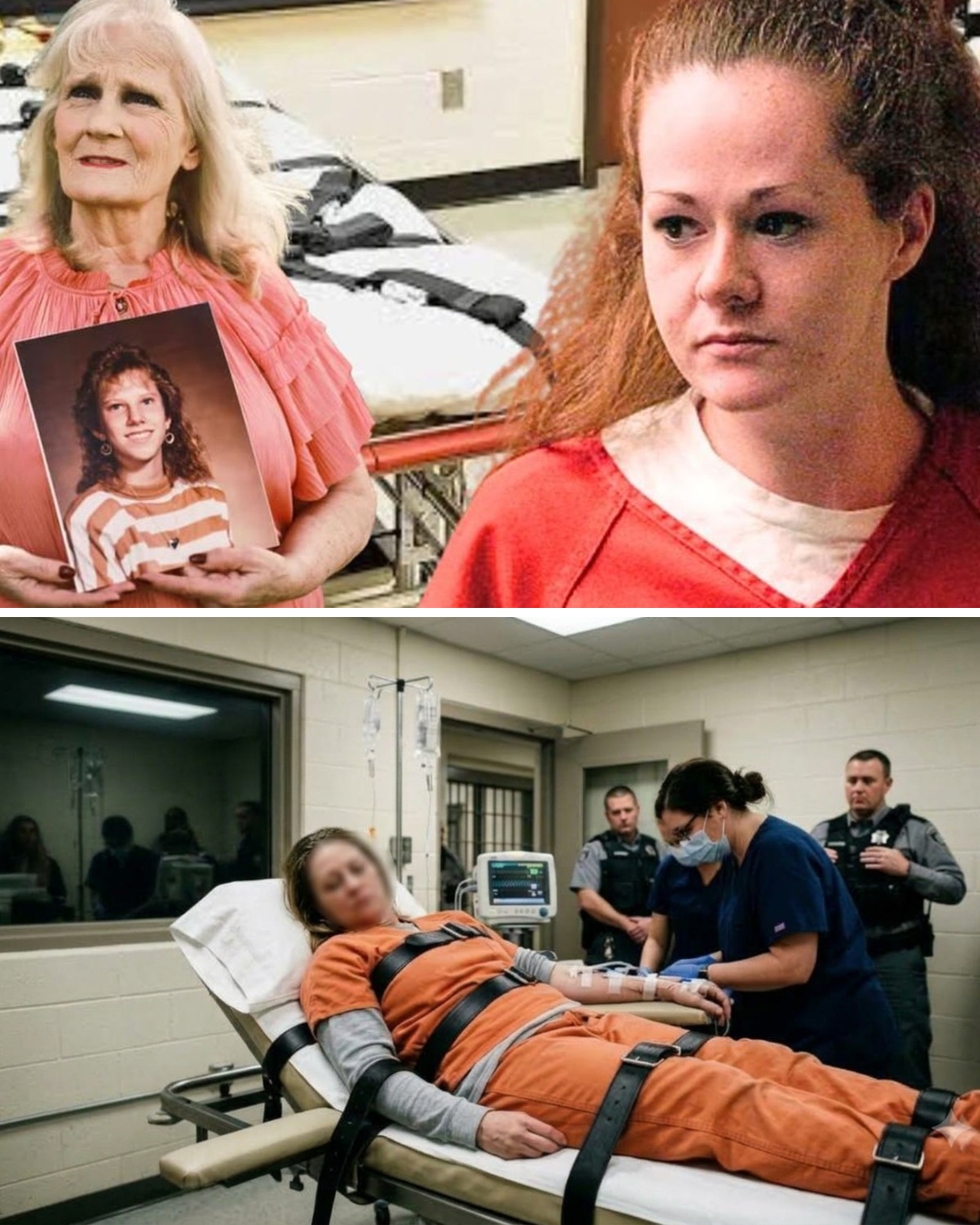
Tennessee officials have not accepted the defense’s allegations as an established account of what happened.
The Tennessee Department of Correction previously said that officials followed every step of the state’s lawful and established execution protocol.
Gov. Bill Lee has ordered an independent review of the failed execution and halted further executions in Tennessee for the remainder of 2026. The state has not yet publicly provided a complete explanation for why the procedure failed.
On Saturday, Tennessee’s corrections commissioner, Frank Strada, announced that he would resign later this month as the independent review moves forward. Strada said the department had carried out its responsibilities according to the established protocol but agreed that stepping aside was appropriate during the review.
Lawyers Ask Governor for Clemency
Pike’s attorneys are now asking Gov. Lee to commute her death sentence, arguing that the failed execution and resulting medical crisis have fundamentally changed the circumstances surrounding her punishment.
Lee previously denied Pike’s clemency request before the September 30 execution attempt.
The failed procedure, however, did not overturn Pike’s conviction or death sentence. No new execution date has been announced.
Pike was sentenced to death for the 1995 murder of 19-year-old Colleen Slemmer. She was 18 when the crime occurred and has spent decades on Tennessee’s death row.
A Failed Execution With Questions Still Unanswered
The extraordinary case has now raised questions extending beyond Pike’s medical condition.
Why did the IV procedure fail? When did officials realize there was a problem? What happened to the pentobarbital after it was administered? And what long-term injuries, if any, will Pike suffer?
Those questions are expected to be central to Tennessee’s independent review.
For now, Pike remains hospitalized and critically ill.
Her attorneys are calling for clemency, while state officials face growing pressure to explain how an execution that was supposed to end a decades-old death sentence instead left the inmate alive, unconscious and receiving intensive medical care.