“WAIT, CHECK HIS VITALS AGAIN.”
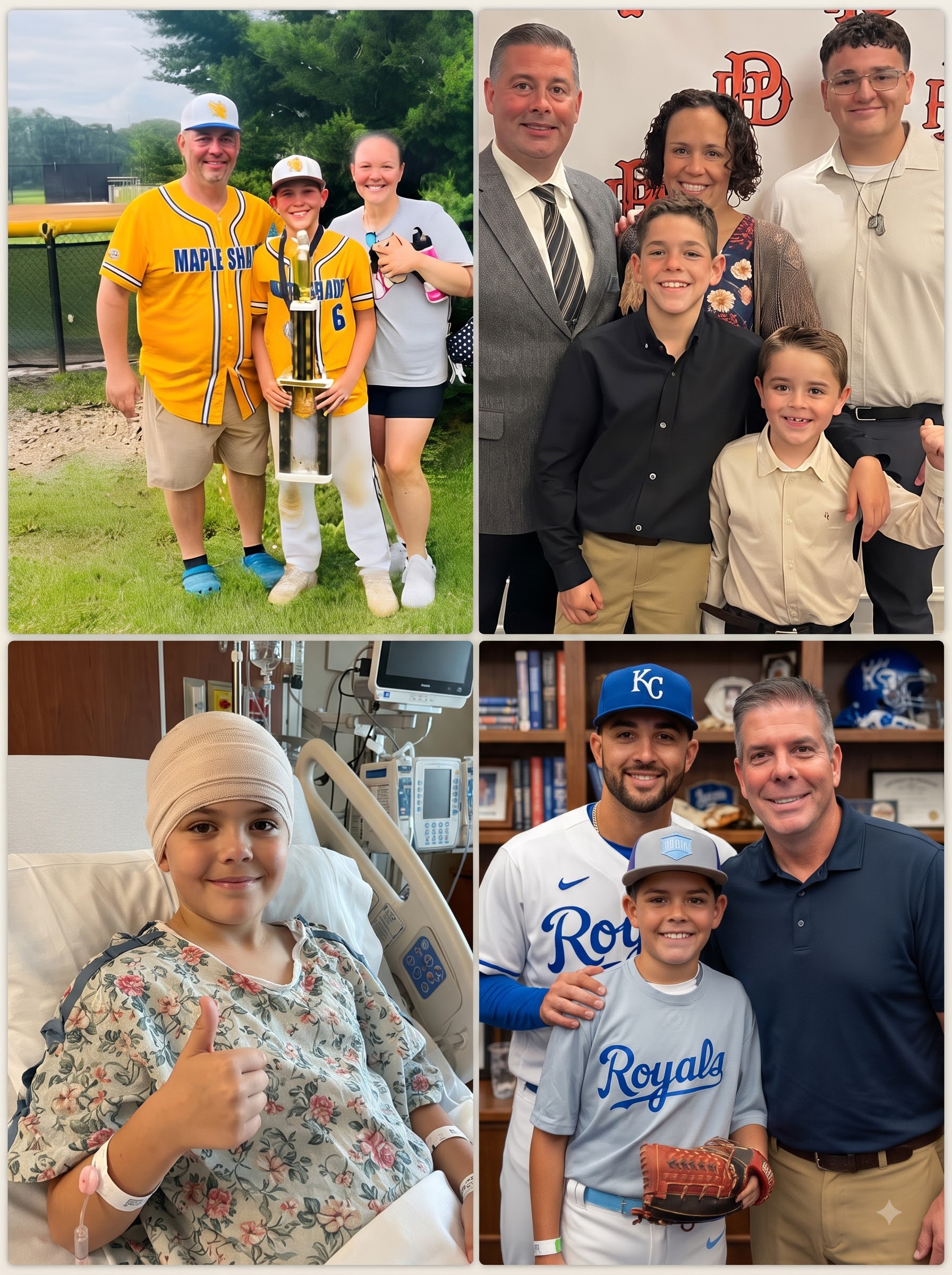
“WAIT, CHECK HIS VITALS AGAIN.”
Doctors Noticed Something After Xavier Received the New Medication
For Xavier’s family, every update from the medical team carries enormous weight.
In a hospital setting, even a small change can matter. A number on a monitor, a response during an examination, or a difference between one set of tests and the next can give doctors important information about how a patient is responding to treatment.
That is why the moments after Xavier received a new medication became so closely watched.
Doctors continued monitoring him.
Then came a moment that caught their attention.
“Wait. Check his vitals again.”
The team wanted another look.
Something had changed.
And although that change does not, by itself, guarantee what comes next, it was significant enough for doctors to take notice.
For a family that has spent so much time waiting for signs of progress, that moment meant more than just another medical check.
It meant there was something new to watch.
THE MOMENT EVERY FAMILY HOPES FOR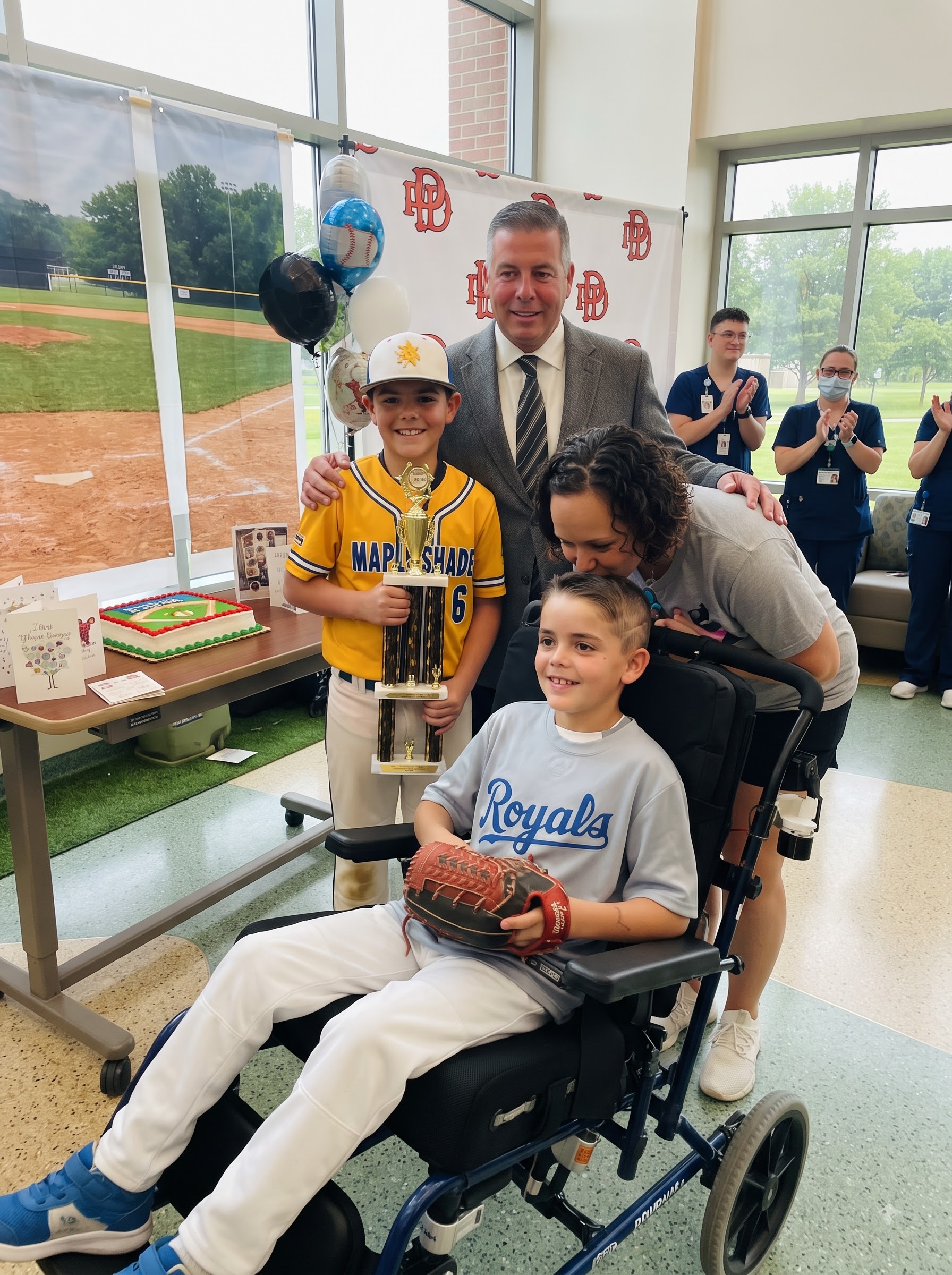
When someone is critically ill, progress rarely arrives in the dramatic way people imagine.
There may not be an immediate breakthrough.
There may not be a moment when everything suddenly turns around.
Instead, doctors often look for smaller signals.
They compare one examination with another.
They look at vital signs.
They monitor how the body responds after treatment.
They watch for changes that may help them understand whether an intervention is having an effect.
That is what made the latest development involving Xavier so important.
After the new medication was administered, the medical team did not simply move on to the next step.
They kept watching.
And when something appeared different, they checked again.
“CHECK HIS VITALS AGAIN”
Those words may sound ordinary outside a hospital.
Inside an intensive-care environment, however, repeated monitoring is part of the process of understanding how a patient’s condition is evolving.
Doctors and nurses need to know whether a change is temporary or sustained.
They need to determine whether it is related to treatment, natural fluctuations, or another factor.
That is why one observation is usually followed by another.
For Xavier, the additional check brought attention to something the team had not wanted to overlook.
It was not necessarily a dramatic turnaround.
But it was enough to make the doctors stop and take another look.
And sometimes, that is where hope begins.
A NEW MEDICATION, THEN A NEW CLUE
Whenever physicians introduce a new medication in a serious medical situation, they monitor the patient carefully.
The goal is not simply to administer the medication and wait.
The medical team needs to observe how the patient’s body responds.
Are the vital signs stable?
Is there a measurable change?
Does the patient tolerate the medication?
Do subsequent observations show the same pattern?
Those questions become particularly important when a patient’s condition has been closely monitored over time.
In Xavier’s case, the timing of the latest observation made the development especially noteworthy.
The new medication had been given.
The medical team continued monitoring.
Then they noticed something that prompted another check.
That sequence is what made the moment stand out.
WHY ONE CHANGE CAN MATTER
Families often hear medical information in fragments.
A doctor may explain that a certain number has moved.
A nurse may mention that something looks different.
Another examination may provide additional information later.
To someone outside medicine, these individual pieces can be difficult to understand.
But doctors are trained to look at the overall pattern.
A single measurement is rarely enough to determine a patient’s future.
What matters is what happens next.
If the same improvement appears repeatedly, it can become more meaningful.
If the change disappears, doctors may need to reconsider what it means.
That is why Xavier’s latest development should be viewed as an encouraging observation rather than a promise of recovery.
The next checks will matter.
The next tests will matter.
And the way his body responds over time will matter most of all.
THE FAMILY IS STILL WAITING
Behind every monitor is a family.
And for families facing a serious medical crisis, waiting can be one of the hardest parts.
They wait for doctors to finish their rounds.
They wait for test results.
They wait for another update.
They wait for the phone to ring.
Sometimes, they wait for hours just to hear a few words that might tell them whether the situation has changed.
That is why even a small medical development can feel enormous.
A change may not mean the battle is over.
It may not erase everything that came before.
But it can give a family something they desperately need:
a reason to keep hoping.
THE NEXT HOURS MAY TELL MORE
The most important question now is whether the change doctors observed continues.
Medical teams will continue monitoring Xavier and comparing new observations with earlier ones.
If the pattern remains consistent, doctors may have more information about how his body is responding.
If the change does not continue, the team may need to reassess.
That uncertainty is difficult.
But it is also why careful monitoring matters.
The medical team is not looking for one isolated moment.
They are looking for a pattern.
And right now, the latest observation has given them something new to follow.
FOR XAVIER’S FAMILY, THIS MOMENT MATTERS
There are moments during a medical crisis that become permanently etched into a family’s memory.
Sometimes it is a phone call.
Sometimes it is a doctor’s expression.
Sometimes it is a single sentence.
And sometimes it is something as simple as a doctor saying:
“Check his vitals again.”
For Xavier’s family, that sentence came after a new medication and another round of monitoring.
What doctors saw was important enough to warrant a second look.
It is too early to know exactly what the change will mean in the long term.
But the significance of the moment lies in what it represents.
The medical team is still watching.
They are still evaluating.
They are still looking for signs that could help guide the next step.
And for the people standing beside Xavier through this difficult journey, that latest change gives them another reason to hold on.
Because sometimes hope doesn’t arrive all at once.
Sometimes it begins with one small change that makes a doctor stop, look again, and say:
“Wait.”