Newborn With Extremely Rare Genetic Condition Passes Away Two Days After Birth in Nagpur Hospital
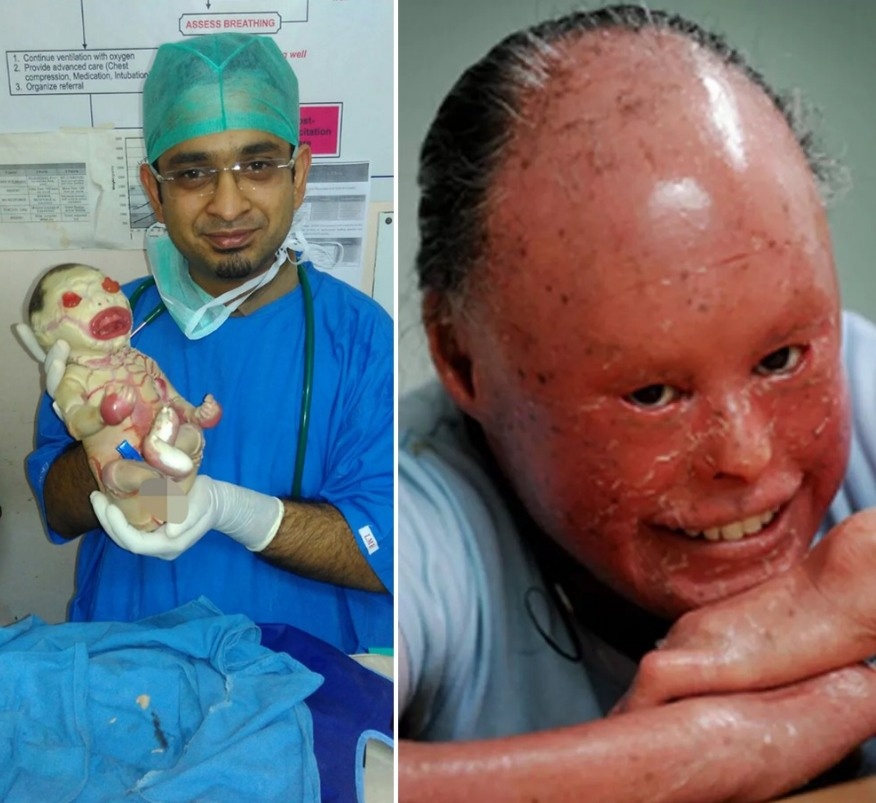
A hospital in Nagpur has confirmed the death of a baby girl born with an extremely rare congenital condition known medically as Harlequin Ichthyosis. The newborn, named Aarika by her family, survived for just two days after birth.
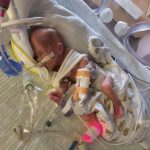
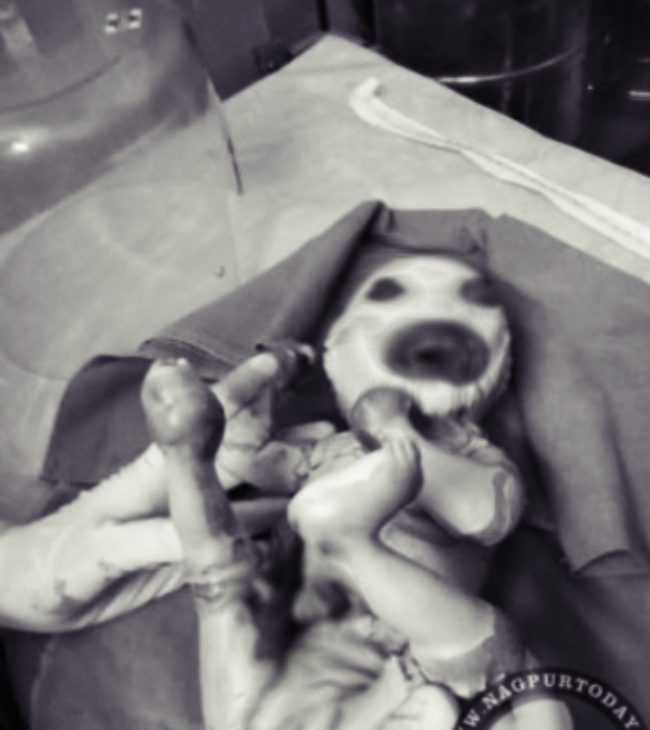
Doctors report that Aarika was delivered pre-term to a family from Amravati in Maharashtra. At birth, she weighed 1.8 kilograms and had a hardened outer layer covering almost her entire body. The condition left large cracks in her skin and caused severe physical deformities, including missing external ears, impaired vision, and difficulties with breathing and movement.
Medical staff said Aarika struggled to breathe on Monday morning and was placed on ventilation. Despite efforts to stabilise her, she passed away later that evening due to rapid complications related to the disorder.
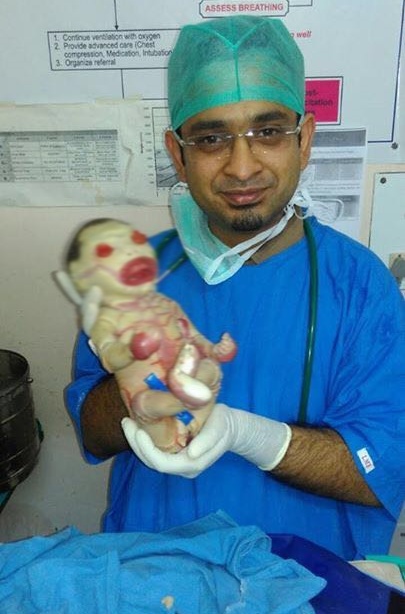
Harlequin Ichthyosis is considered one of the rarest genetic skin conditions in the world. According to specialists, this was believed to be the first case recorded in India. Infants born with this condition are at high risk of infection and organ failure, and survival rates remain extremely low.
The infant’s mother, Kavita, saw her daughter for the first and only time just hours before her passing. The visit took place with psychiatric support due to the emotional impact. “I wanted to hold her. Even in pain, she was still my child,” she said.
Aarika’s father, Ramesh, a farmer, described the moment as life-changing. “We were told the condition was very rare. We hoped for time with her, but she was too weak,” he shared.
Doctors involved in the case explained that while medical research has advanced in this field, treatment options remain limited. The longest known survival of a patient with this condition is recorded in Pakistan, where a girl lived into adulthood after being born in 1984.
Health experts say the case may raise awareness about the need for early genetic counselling and screening, particularly in regions where access to specialised medical care is limited.
Aarika’s family is now preparing to return home. Though their time with her was brief, they described her life as meaningful. “She was our daughter. She mattered,” her father said.
The case continues to draw attention from medical professionals studying rare neonatal disorders, and further reports are expected from the hospital once documentation is complete.