JON VENABLES FACES NEW PAROLE HEARING — BUT JAMES BULGER’S FAMILY IS LEFT DEMANDING ANSWERS
JON VENABLES FACES NEW PAROLE HEARING — BUT JAMES BULGER’S FAMILY IS LEFT DEMANDING ANSWERS
The man convicted in the 1993 killing of two-year-old James Bulger is due to face another parole review. The decision to hold the hearing in private has reignited a painful dispute over transparency, public safety and the rights of victims’ families.
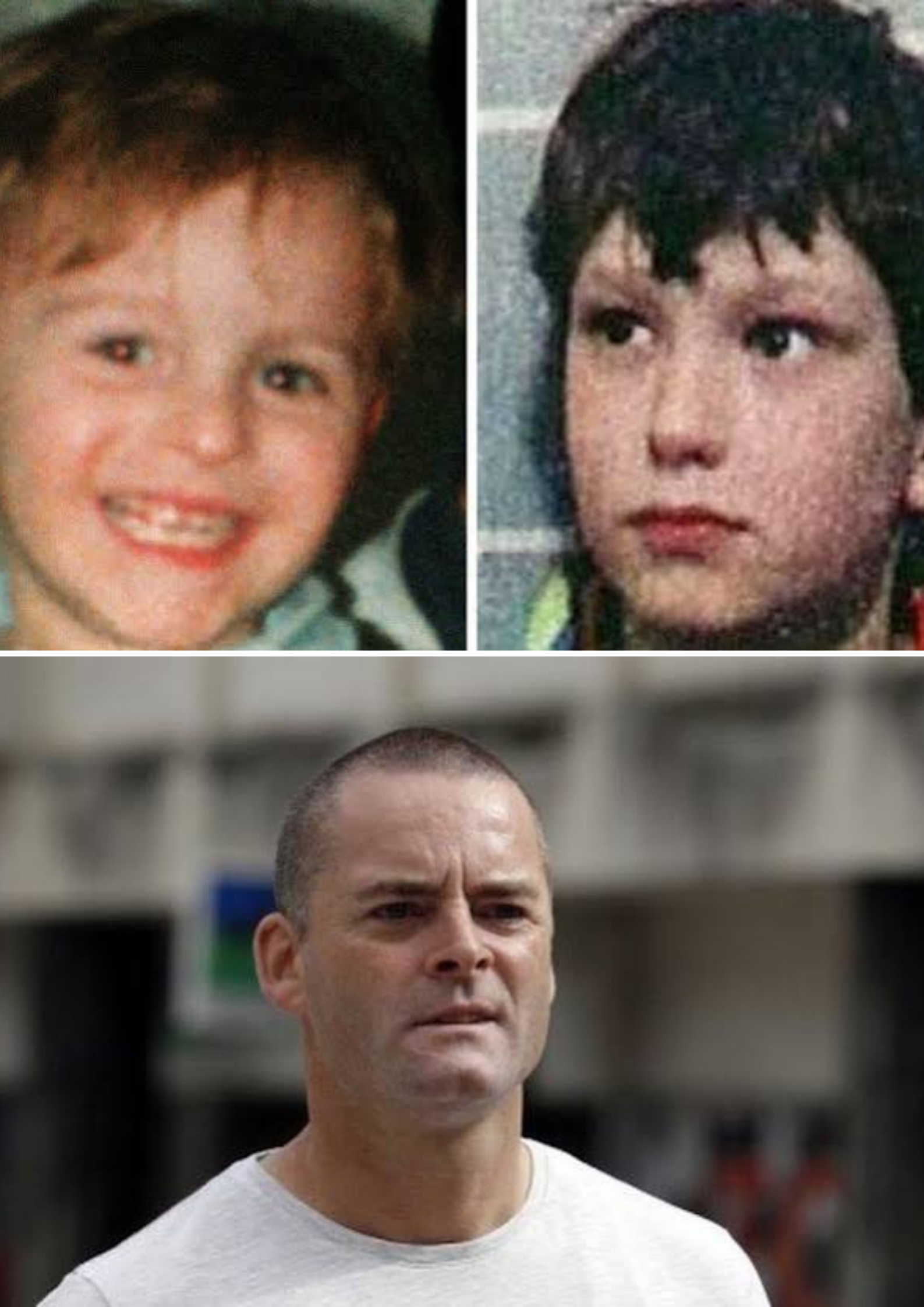
More than three decades after the killing of toddler James Bulger shocked Britain, the case has returned to the headlines as Jon Venables prepares for another parole hearing.
Venables, now 44, was one of two 10-year-old boys convicted of abducting and killing James in Merseyside in February 1993. His latest bid for release has drawn renewed attention after the Parole Board rejected an application to make the hearing public.
The decision, announced on September 28, 2026, came despite requests from James’s mother, Denise Fergus, his father, Ralph Bulger, and several media organisations seeking greater transparency.
For James’s family, the ruling has reopened painful memories of a case that has shaped their lives for decades.
WHY THE FAMILY WANTED THE HEARING TO BE PUBLIC
Denise Fergus and her husband, Stuart, formally asked the Parole Board to allow the public to observe the proceedings.
Their application argued that a public hearing could help explain how parole decisions are made, address misinformation circulating online and give victims’ families a clearer understanding of how the risks associated with release are assessed.
The family also argued that Venables’ case was exceptional because of his original conviction and his subsequent criminal convictions as an adult.
The Parole Board considered those arguments but concluded that the legal threshold for making the hearing public had not been met.
Under the rules in England and Wales, parole hearings are generally held in private. A hearing may be opened to the public when the interests of justice justify doing so, but that is not automatic, even in cases that attract substantial public attention.
 WHY THE PAROLE BOARD REJECTED A PUBLIC HEARING
In its decision, the Parole Board said that a public hearing could make it very difficult for Venables to give evidence freely because of the potential risk that people seeking information about him could use it to locate and harm him.
The board concluded that the high threshold required for a public hearing had not been met.
The ruling does not mean that the parole review itself has been cancelled. It means the proceedings will take place privately rather than being open for public observation.
James’s parents have been granted permission to participate in the process through arrangements available to victims, although the private format means the wider public will not be able to follow the evidence in the same way they could at an open hearing.
The decision has prompted a wider debate over how authorities can balance transparency, the protection of victims and the safety of prisoners whose identities remain legally protected.
 RALPH BULGER SPEAKS OUT
James’s father, Ralph Bulger, publicly criticised the decision, describing it as an insult to the family in comments reported by The Independent on October 4.
His reaction reflects the family’s longstanding desire to understand how decisions about Venables’ future are made and whether the risks associated with any possible release are being fully assessed.
For James’s parents, the parole process is not an abstract legal procedure. It is directly connected to the loss of their son and the long-term consequences of the crime.
Their request for a public hearing was intended, in part, to help them feel that their concerns had been heard and to give the public a better understanding of the decision-making process.
The board’s decision has left that request unanswered, at least in terms of public access to the hearing itself.
THE CRIME THAT SHOCKED BRITAIN
James Bulger was just two years old when he was abducted from the New Strand Shopping Centre in Bootle, Merseyside, on February 12, 1993.
Venables and Robert Thompson, both aged 10 at the time, took James from the shopping centre. His body was found two days later near a railway line in Walton, Liverpool.
The boys were convicted of James’s abduction and murder in 1993. The case became one of the most widely discussed criminal cases in modern British history, raising difficult questions about children who commit serious crimes, rehabilitation and public protection.
Both boys were released on licence in 2001 after serving their sentences under the legal framework then in place. Their identities were protected by lifelong anonymity orders.
WHY VENABLES RETURNED TO PRISON
Venables was subsequently recalled to prison on two occasions after being found in possession of indecent images of children.
He was first recalled in 2010 and later released in 2013. In November 2017, he was recalled again following another offence involving such material.
Those later convictions became a significant part of the public debate surrounding his continued detention and the assessment of his risk to others.
At his previous parole review in 2023, the Parole Board refused his release, concluding that he continued to pose a risk and could commit further offences.
The new review comes more than two years after that decision. Its outcome will depend on the evidence and professional assessments considered by the parole panel, rather than public pressure alone.
WHAT HAPPENS NEXT?
The latest decision concerns the privacy of the hearing, not the outcome of Venables’ current parole application.
The panel will have to assess the relevant evidence, including his behaviour in custody, the risk he may pose if released and the arrangements that would be required to manage any risk in the community.
As of the latest published reports, the Parole Board has not announced a decision granting his release.
The case continues to raise difficult questions about the balance between rehabilitation, public protection and the needs of victims’ families. It also highlights the limits of transparency when a case involves a prisoner whose identity is protected for safety reasons.
For Denise and Ralph Bulger, the latest ruling is another painful chapter in a case that has followed their family for more than 30 years.
As Jon Venables faces another parole review, the central question remains whether the board will conclude that he can safely be released — a decision that has yet to be announced.