THE SURVIVAL AND RESILIENCE OF JACKSON STOREY: OVERCOMING OSTEOGENESIS IMPERFECTA

THE SURVIVAL AND RESILIENCE OF JACKSON STOREY: OVERCOMING OSTEOGENESIS IMPERFECTA
When Jackson Storey was diagnosed with Osteogenesis Imperfecta (OI) at 28 weeks of pregnancy, doctors faced a challenging and delicate medical scenario. Osteogenesis Imperfecta, often referred to as “brittle bone disease,” is a rare genetic disorder characterized by extreme fragility in the skeletal system. Because bones affected by OI lack the structural strength to withstand normal physiological pressure, even routine movements in the womb or during birth can lead to unexpected fractures.

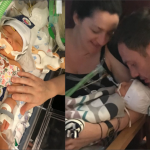
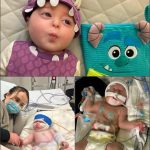
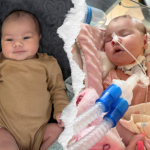
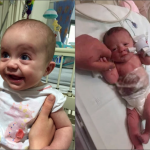
Given the high risks associated with standard delivery, medical professionals delivered Jackson via an emergency Cesarean section to minimize physical trauma. Immediately following his birth, he was rushed to a specialized medical team and subsequently transferred to the Neonatal Intensive Care Unit (NICU) for continuous monitoring and expert intervention.
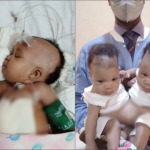
Despite the precautionary measures, Jackson sustained multiple fractures during his birth and early care, affecting his arms, legs, and ribs. These initial complications highlighted the severity of his condition and presented significant obstacles for his healthcare providers and family.
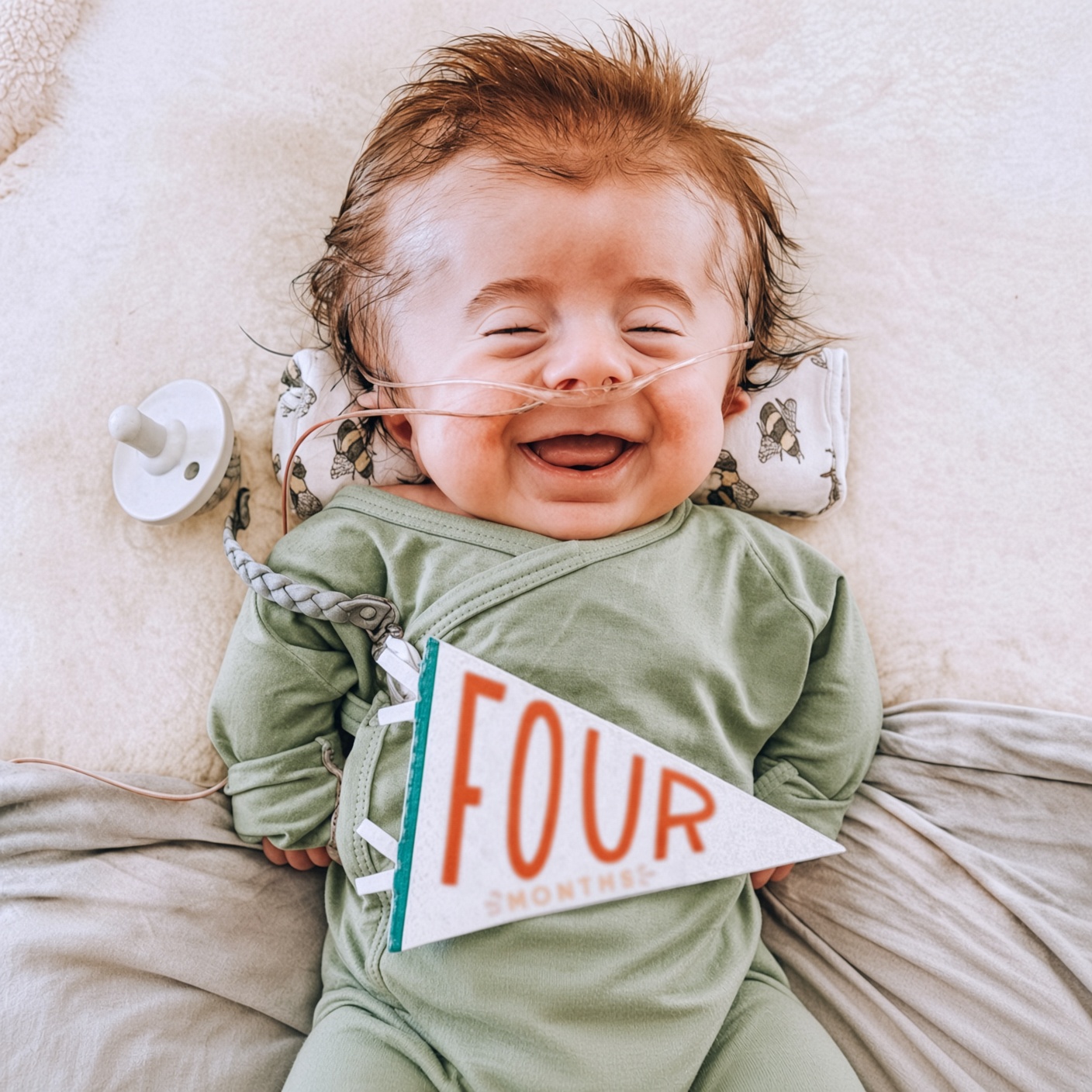
However, through dedicated medical management, specialized neonatal care, and tailored physical support, Jackson’s early journey underscores both the profound complexities of rare genetic conditions and the incredible capacity for early intervention to safeguard a newborn’s fragile life.