MARGARET HAMILTON: THE SOFTWARE PIONEER WHO SAVED THE APOLLO 11 MOON LANDING
MARGARET HAMILTON: THE SOFTWARE PIONEER WHO SAVED THE APOLLO 11 MOON LANDING
Minutes before Apollo 11 landed on the Moon on July 20, 1969, its onboard guidance computer suddenly began displaying critical alarm signals. As Neil Armstrong and Buzz Aldrin descended toward the lunar surface, the machine was severely overloaded with data processing tasks. However, the system did not crash. Instead, it systematically prioritized essential landing operations while discarding lower-priority background tasks, enabling Mission Control to approve the continuation of the historic descent and leading to a safe landing.
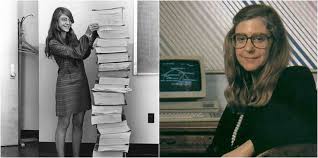
This life-saving priority system was the product of Margaret Hamilton and her dedicated team at MIT, who designed and developed the Apollo program’s flight software. Joining MIT in 1959 after initially focusing on weather prediction software, Hamilton stepped into the space program at a time when software engineering was still a nascent discipline. Her team was tasked with creating reliable, fault-tolerant systems for an unprecedented human journey where failure was not an option.
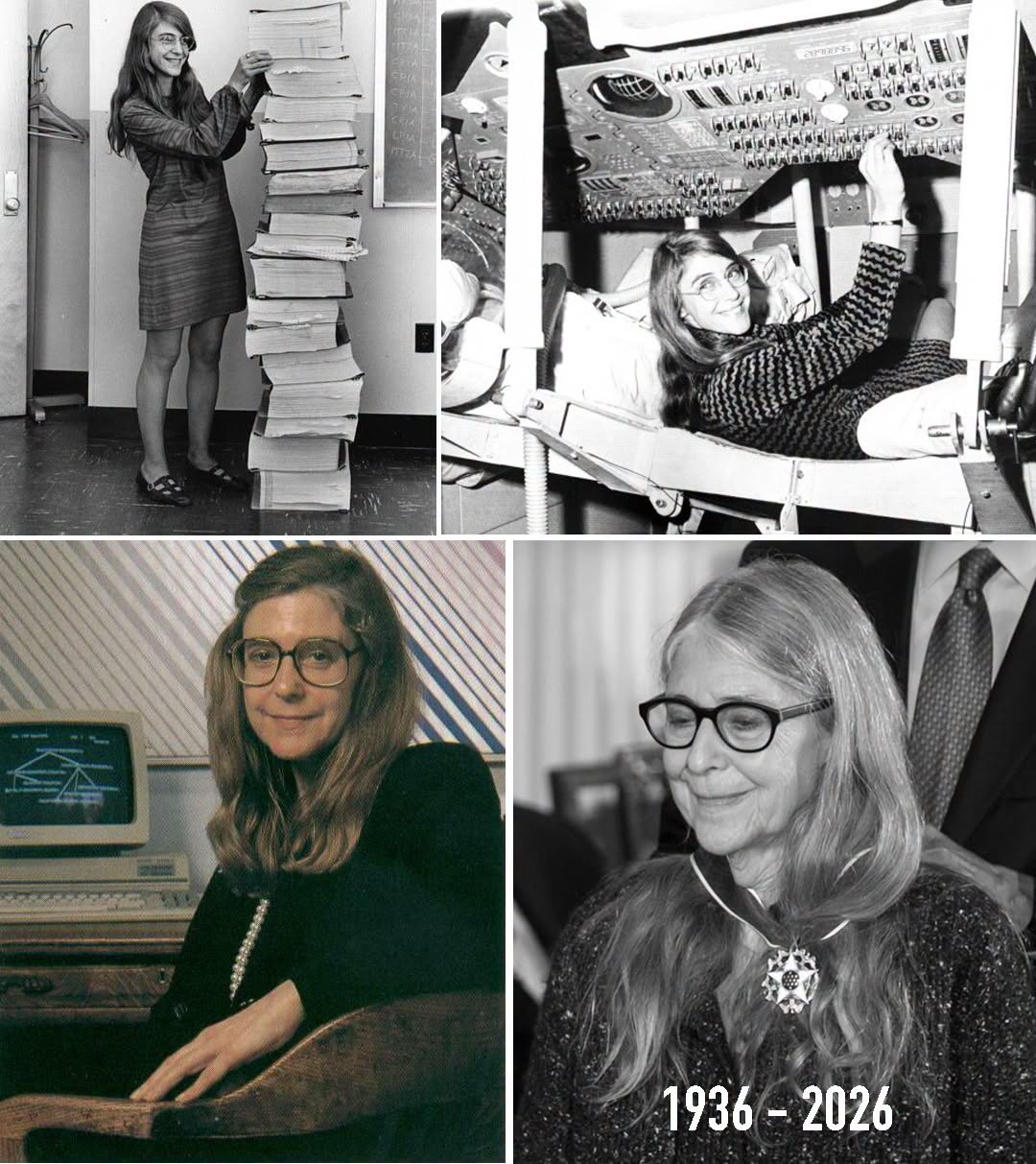
One iconic photograph famously captured Hamilton standing alongside a towering stack of printed software listings—a physical representation of the years of rigorous testing, design, and problem-solving required to prepare for deep-space contingencies. Beyond her monumental work at NASA, Hamilton went on to found two software companies, pioneering modern methodologies for complex systems reliability.
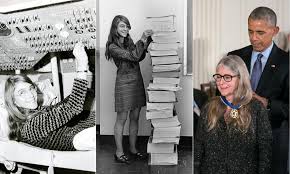
In recognition of her groundbreaking contributions, President Barack Obama awarded her the Presidential Medal of Freedom in 2016. Passing away on September 30, 2026, at the age of 90, Hamilton leaves behind an enduring legacy of ingenuity that paved humanity’s path to the stars.