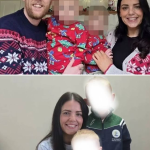
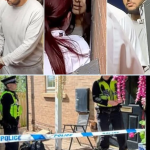
STAR HOBSON’S MOTHER RELEASED FROM PRISON — SIX YEARS AFTER THE TODDLER’S DE@TH, FAMILY LEFT HEARTBROKEN BY LATEST DEVELOPMENT
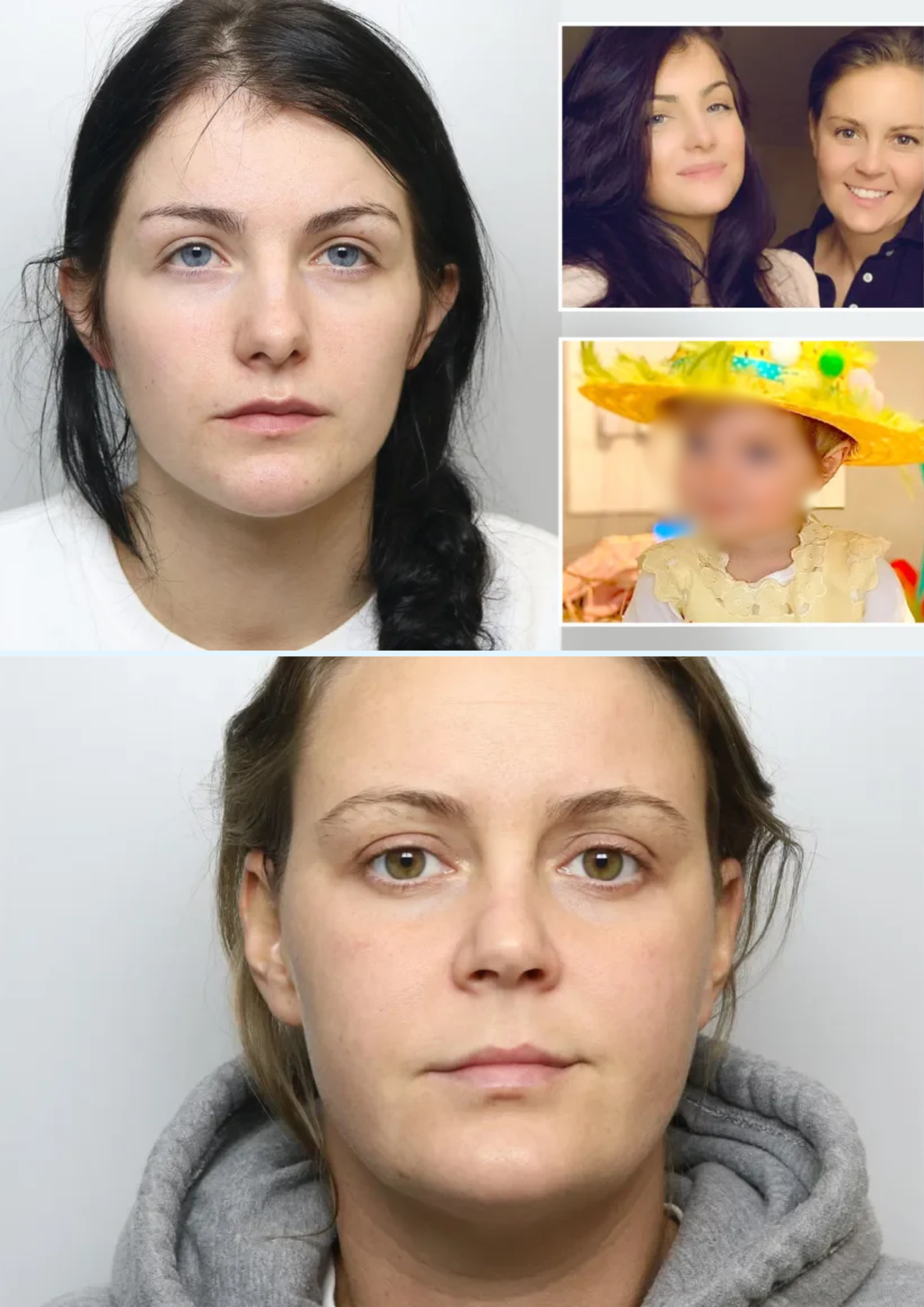
STAR HOBSON’S MOTHER RELEASED FROM PRISON — SIX YEARS AFTER THE TODDLER’S DEATH, FAMILY LEFT HEARTBROKEN BY LATEST DEVELOPMENT
Frankie Smith has been released on licence after serving less than five years of a 12-year sentence for causing or allowing her daughter’s death. The news has reopened painful memories of the 16-month-old girl whose case shocked Britain.
KEIGHLEY, WEST YORKSHIRE — The name Star Hobson has returned to the headlines following the release of her mother, Frankie Smith, from prison — a development that has brought renewed attention to one of the most heartbreaking child-protection cases in recent British history.
Star was just 16 months old when she died in September 2020 after suffering catastrophic injuries at her home in Keighley, West Yorkshire. Her mother’s former partner, Savannah Brockhill, was convicted of murder, while Smith was convicted of causing or allowing the death of a child.
Smith, now 25, was released from prison at the end of September 2026, according to reports published this week. She had originally received an eight-year sentence, which was increased to 12 years by the Court of Appeal in 2022.
The Ministry of Justice confirmed her release and stressed that she is subject to licence conditions. Officials said people released on licence can be returned to prison if they breach those conditions.
The development has prompted renewed public discussion about the sentence, the justice system and the lasting impact of Star’s death on those who loved her.
 A LITTLE GIRL WHO NEVER GOT THE CHANCE TO GROW UP
Star’s life ended before she could experience the milestones that most families hope to celebrate — her first days at school, birthdays with friends, discovering new interests and growing into her own personality.
The court heard that she had suffered months of abuse before her death. Prosecutors described the injuries that ultimately killed her as catastrophic, and the trial exposed serious concerns about the treatment she endured during the final months of her life.
On September 22, 2020, Star was taken to hospital from the flat where she lived with Smith. Her injuries were so severe that doctors could not save her.
The details presented during the trial shocked the public and raised urgent questions about how warning signs had been handled before the toddler’s death.
For Star’s relatives, the tragedy was not only the loss of a young child. It was also the knowledge that concerns had been raised about her welfare before she died.
 THE CONVICTIONS THAT FOLLOWED
Savannah Brockhill was found guilty of Star’s murder and sentenced to life imprisonment, with a minimum term of 25 years.
Smith was cleared of murder and manslaughter but convicted of causing or allowing the death of a child. She was initially sentenced to eight years in prison. The Court of Appeal later increased the term to 12 years after determining that the original sentence was unduly lenient.
The distinction between the two convictions is important: Brockhill was convicted of murder, while Smith was convicted of failing to protect her daughter from the harm that led to her death.
The case became a national talking point, particularly because Star’s relatives and others had reportedly contacted authorities with concerns about her condition in the months before she died.
The trial and subsequent reviews prompted wider scrutiny of the systems responsible for safeguarding vulnerable children.
HER GRANDFATHER’S ANGER OVER THE RELEASE
Following the news of Smith’s release, Star’s grandfather, Frank Smith, expressed his anger in comments reported by The Sun.
He questioned how his granddaughter’s mother could be released after serving less than five years of a 12-year sentence, arguing that the decision left the family feeling that justice had not been served.
His words reflect the frustration some relatives experience when a person convicted in connection with a loved one’s death becomes eligible for release while the family continues to live with the consequences.
For those closest to Star, the passage of time does not make the loss less significant. Her death remains a defining event in their lives, and each major development in the case can bring painful memories back into focus.
The family’s response also highlights a broader issue: the difference between the legal process of administering a sentence and the emotional experience of those left behind.
WHY WAS FRANKIE SMITH RELEASED?
Smith’s release was confirmed by the Ministry of Justice, which stated that it was not part of the government’s recent early-release scheme.
People serving custodial sentences in England and Wales may be released on licence under the applicable sentencing and release rules. A licence is not the same as having a conviction overturned or a sentence erased.
Those released on licence must comply with conditions and remain subject to supervision. The Ministry of Justice has said that a person can be returned to prison if those conditions are breached.
Smith’s release therefore does not change her conviction. She remains a person convicted of causing or allowing the death of her daughter, and her release is subject to the relevant legal restrictions.
The news has nevertheless renewed debate about how sentences are served, how release decisions are communicated and how victims’ families are supported when significant developments occur.
WARNINGS THAT RAISED QUESTIONS ABOUT CHILD PROTECTION
One of the most troubling aspects of Star’s case was the number of concerns raised before her death.
Reporting from the trial and subsequent coverage described warnings from relatives and people who were worried about the toddler’s injuries and welfare. Some concerns were assessed as accidental or not acted upon in a way that prevented the tragedy.
The case prompted renewed scrutiny of the response by agencies responsible for protecting children, including how professionals assess reports from family members and how repeated concerns are evaluated together.
The wider lesson is that child-protection decisions can have profound consequences. When several people independently raise concerns about a child, those reports need to be assessed carefully and in context.
Star’s death became a painful reminder of the importance of taking safeguarding concerns seriously and ensuring that vulnerable children receive appropriate protection.
THE LITTLE GIRL BEHIND THE HEADLINES
It is easy for a case that attracts national attention to become defined by court hearings, sentences and controversy. But at its centre was a little girl who had barely begun her life.
Star was a daughter, granddaughter and member of a family that wanted to see her grow up. Her relatives have repeatedly spoken about the lasting pain of losing her and the difficulty of moving forward after such a devastating event.
The latest news about Smith’s release has brought the case back into public view, but the central loss remains unchanged: Star’s family will never have the chance to watch her grow older.
Her story also continues to be associated with questions about whether earlier intervention could have protected her and what lessons must be learned to help prevent similar tragedies.
A CASE THAT CONTINUES TO RESONATE
Smith’s release is a legal development, but for Star’s family it is also a deeply personal moment in a case that changed their lives forever.
The Ministry of Justice has confirmed that Smith is subject to licence conditions. Meanwhile, the public response demonstrates that the circumstances of Star’s death and the wider questions surrounding child protection remain important to many people.
There is no development that can restore the future Star lost. What remains possible is for her story to be remembered accurately, for the family’s grief to be treated with respect, and for the lessons from the case to inform how concerns about vulnerable children are handled.
Star Hobson was only 16 months old. Her life was heartbreakingly short, but her name remains part of a continuing conversation about justice, accountability and the responsibility to protect children.
For her family, the memories will never simply disappear when the headlines move on. And for those following the case, the latest development is a reminder that behind every court decision is a human story that continues long after the courtroom doors close.